
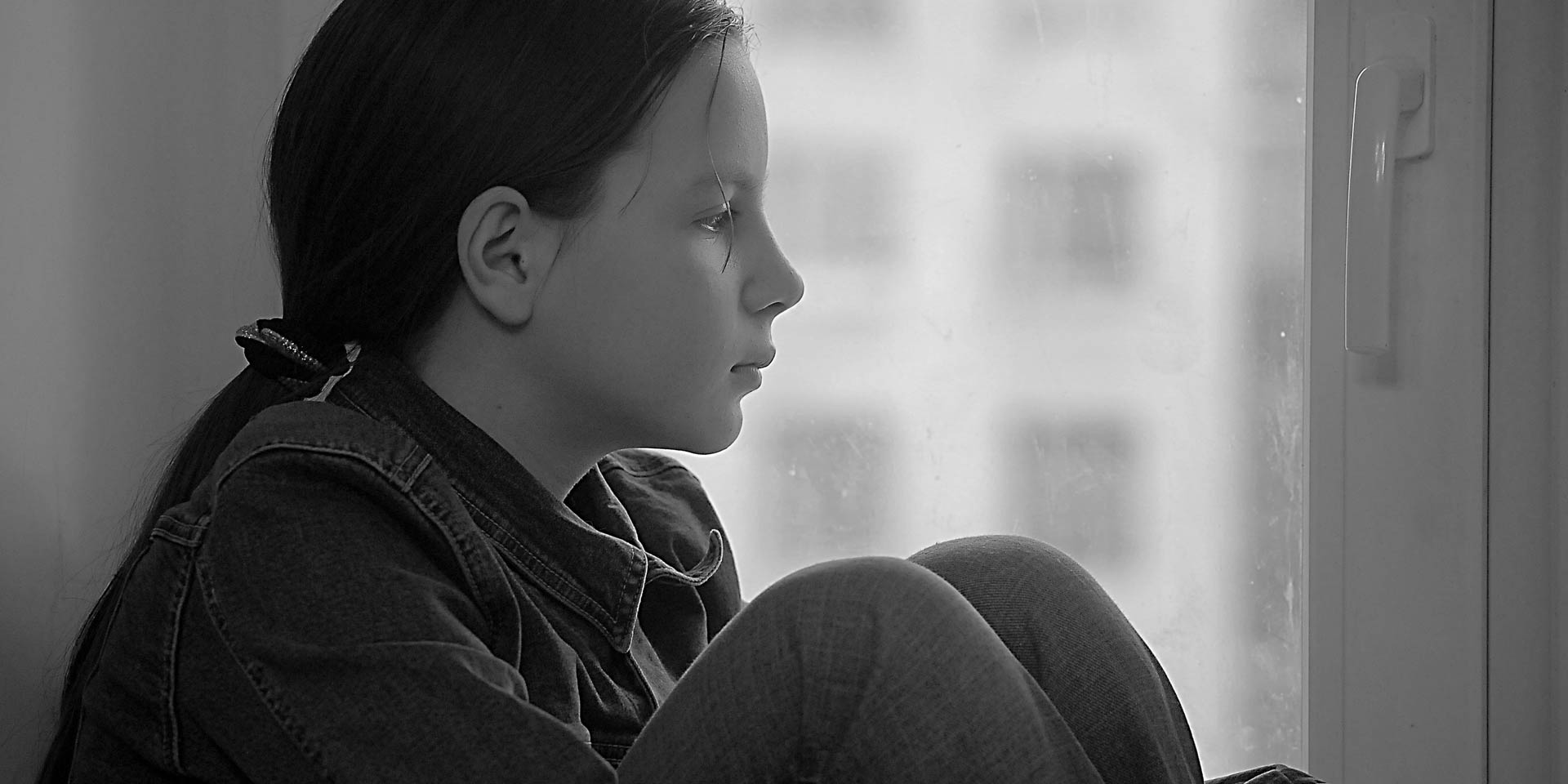
Just two and a half decades ago, depression and other mental health disorders were virtually unknown among children and were often ignored.
The alarming increase in depression among children requires collaboration between professionals, parents, and teachers to detect early signs as soon as possible.
In recent years, depression has been rising at an alarming rate: according to estimates by the National Institute for Health and Care Excellence, 80,000 children in the United Kingdom suffer from severe depression, 10% of whom are under the age of 10.
Additionally, the Anxiety and Depression Association of America estimates that 2–3% of American children experience major depressive disorders. Between 2009 and 2014, researchers at the Springfield Center for Human Development studied a cohort of 100,000 children and found that 13% of boys and 36% of girls had suffered from or were suffering from depression by the age of 17.
Causes of depression in children
In the past, doctors were extremely reluctant to diagnose depression in children as it was believed that young children lacked the psychological and cognitive structures required for this condition.
However, as the very early onset of depression can no longer be denied, specialists are investigating the causes of this disorder among children who should be enjoying the joys of childhood rather than the worries generally associated with more mature ages.
In fact, childhood is more stressful than ever, says Ewan Gillon, a psychologist and the director of First Psychology Scotland. Reporting on the growing number of six-year-olds coming to counselling centres for treatment of depression and anxiety, Gillon lists the reasons for the rise in mental health issues among children: the increasing emphasis on academic performance, exposure to social media, and the way the media promotes body image.
Children play outdoors less and less, and direct interactions with peers, unmediated by electronic devices, have steadily declined over the past 10 years. The obsession with the “perfect” body that pervades the media has also become a preoccupation for them, lowering their self-esteem and pushing them into depression. Incredibly, the Journal of Adolescent Health reports that girls are starting to diet as early as age 6.
News about negative global events can also affect children’s emotional health. Nina Slovick, a researcher at the Center for Human Development in Springfield, points out that these are terrible times when we constantly see horrific stories in the news, emphasising that ongoing dialogue between parents and children can mitigate the impact of negative news on children’s mental health.
The World Health Organization estimates that depression will affect more people than any other condition by 2030, so early detection of its symptoms must be a priority. Gillon concludes that children’s mental health, a long-neglected issue, is of the utmost importance.
Identifying the signs of depression
It can be difficult to diagnose depression in a child because the symptoms can be confused with issues specific to normal growth and development.
However, there are indicators of the onset of depression in children, such as a decline in academic performance, reduced energy and concentration, extreme fatigue, restlessness, and feelings of worthlessness.
The problem is that both parents and teachers have difficulty recognising depression in children. After analysing profile assessments of 643 primary school children, Professors Keith Herman and Wendy Reinke of the University of Missouri College of Education found that 30% of the children reported feeling depressed, while parents and educators often failed to recognise the child’s problem.
When asked to assess a child’s level of depression, parents’ and educators’ assessments overlap by only 5–10%, with each noticing different aspects of behaviour, says Herman. He asserts that detecting the signs of depression must be a priority, especially since, according to researchers at the University of Missouri, students who exhibit symptoms of mild to severe depression by second or third grade are six times more likely to display skill deficits, such as a lack of social or academic skills, than children without symptoms of depression.
Ultimately, Professor Herman emphasises that the best way to identify depression is still to ask the children how they are feeling. However, he notes that there are also cases in which children do not acknowledge their mental health issues or are unwilling to do so. This is why collaboration between mental health professionals, teachers, and parents is crucial to developing a holistic picture of a child’s mental health.