
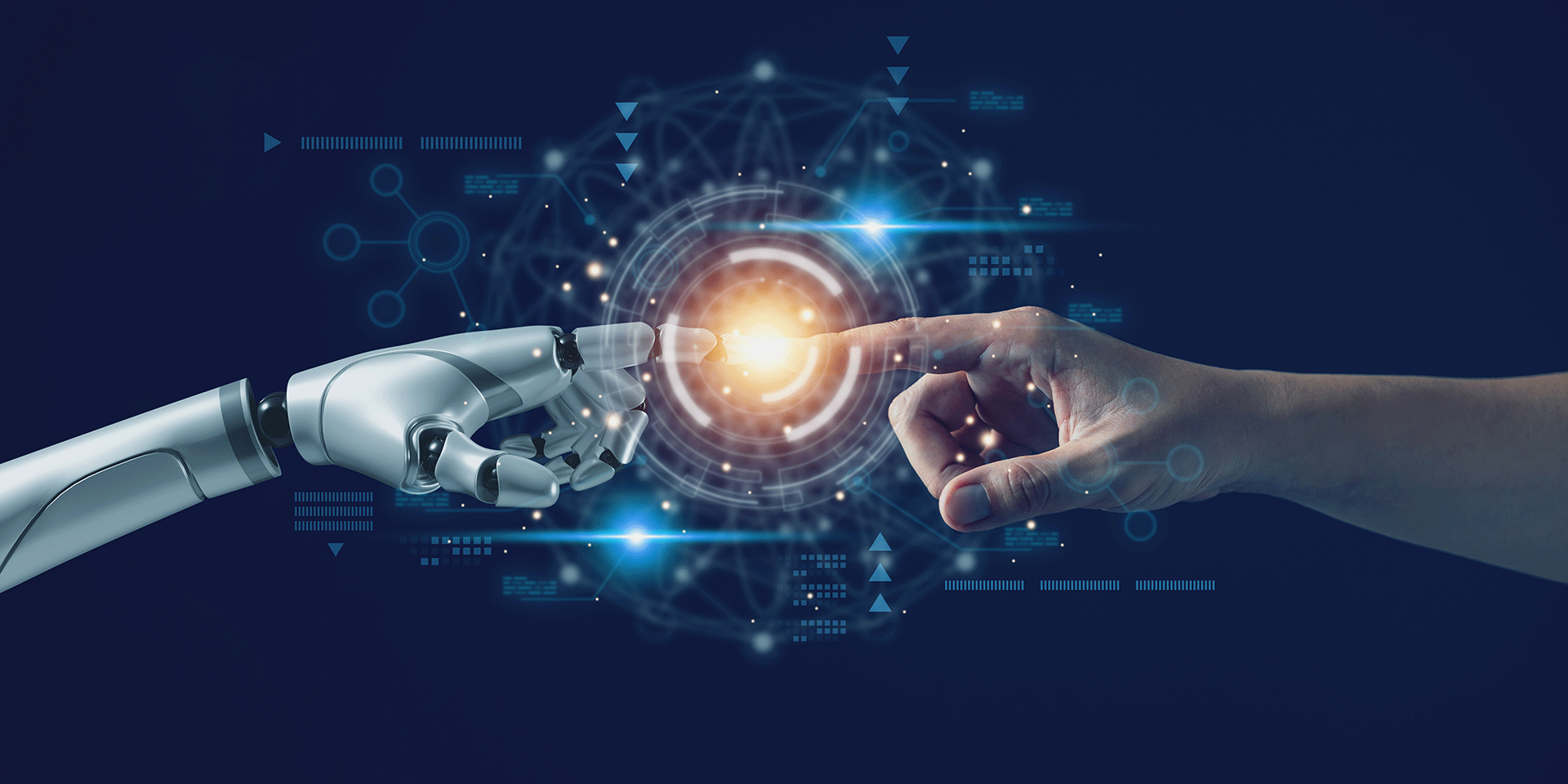
We’re living in strange times. Never before have so many “mentoring programmes”, “transformational coaching”, and “psychological methods” been sold—and never before has it been easier for them to be generated by artificial intelligence (AI).
I know what it’s like. As part of a comprehensive lifestyle programme designed to help me adopt healthy habits, I had access to a nutritional mentor who was always available to provide dietary advice, encouragement, and emotional support. I knew I wasn’t their only client, and probably dozens of other people were receiving similar messages, just with their name inserted instead of mine. The content I was receiving wasn’t a genuine relationship that made me responsible for my actions, but rather algorithmic motivational messages for which I was spending more than I would be willing to admit.
Ultimately, I decided to continue on my own and use ChatGPT to create an AI agent to replace my artificial nutritionist. I still believe that any adult with an average level of digital literacy could save time and money by doing the same. But what happens when the support that helps us change no longer comes from an imperfect human relationship, but from one that functions flawlessly?
The “presence” economy
We are in the midst of a crisis of supportive relationships and an epidemic of loneliness. Although we have unprecedented access to information and best practice, we acutely feel the lack of continuity offered by the support of someone who remains present after the initial enthusiasm has faded. In this void, a “presence economy” has emerged, comprising coaches, mentors, and therapists who essentially sell their attention and availability. Artificial intelligence has naturally adapted to this need in a context where relationships are already mediated by screens, asynchronous and partly predefined. The difference between an overworked mentor and a well-trained chatbot has become surprisingly small.
Nutrition as the first test
Nutrition is a paradoxical territory. Broadly speaking, we know what we ought to do: what is healthy and what isn’t, and that lasting change requires discipline rather than motivation. Nevertheless, few areas generate more confusion and guilt. This is precisely why nutrition is a relevant test for any AI guide: the rules are clear, but their application depends on real people in specific situations and their fluctuating motivation.
At the level of general principles, ChatGPT performs surprisingly well. When asked about nutrition for conditions such as type 2 diabetes or non-alcoholic fatty liver disease, its recommendations are, in most cases, in line with clinical guidelines. They are not innovative, but they are correct. ChatGPT does not propose outlandish nutritional theories; it consistently reiterates the consensus.
This well-informed mediocrity is one of its strengths. Most of us do not need a revolutionary diet but consistency. An AI agent can provide this: reminders, structure, and adaptation to stated preferences without fatigue or judgement.
Information versus discernment
The problem arises when nutrition becomes highly specific. The body is not an abstract text and medical conditions are not stylistic variations. In contexts involving strict restrictions, studies reveal clear, and sometimes dangerous, limitations. While ChatGPT may offer correct principles, it can also provide concrete recommendations that contradict them. The algorithm knows the rules, but it does not know when to stop.
The key difference compared to a human dietitian is discernment. A language model optimises for coherence, not prudence. It cannot judge whether silence is more responsible than responding.
For most healthy people, however, it remains useful. An AI agent can encourage good habits. However, it cannot pick up on subtle signs that things are going off the rails, nor can it intervene when discipline turns into control. It does not see the body; it only sees the data we provide.
The robot therapist
If diet is a test of discipline, mental health is a test of vulnerability. Here, we are no longer talking about rules but about suffering and meaning. The appeal of language models is easy to understand: they are accessible, calm, and non-judgemental. However, simulated empathy cannot compete with clinical intervention.
In addition to validation, a human therapist provides friction. A chatbot cannot do this unless it is explicitly programmed to do so through the text it is given. Furthermore, in therapeutic conversations with a chatbot, if the human interlocutor has suicidal thoughts that they do not explicitly express, the system cannot recognise the danger. Studies show that this limitation can have serious consequences in crisis situations.
There is also a more subtle risk: one-sided attachment. For the user, the conversation is personal, but for the system it is merely a statistical instance. In vulnerable contexts, this type of relationship can exacerbate isolation and delay the search for real help.
However, artificial intelligence can play a legitimate role in mental health when used strictly as an auxiliary tool. Problems arise when this role extends to substitution, not necessarily out of confusion but out of necessity, when the human alternative is inaccessible.
Endless optimisation
Personal productivity is the next step. ChatGPT is an ideal tool for creating plans, lists, and measurable steps. However, we gradually begin to calibrate our thinking to fit the system. We translate our inner life into personal goals and KPIs. Anything that does not fit into these formats risks being treated as an execution error.
The problem arises when we call upon the same auxiliary tool to function simultaneously across multiple existential registers. When we entrust it with our nourishment, emotional regulation, and productivity, we are outsourcing not just tasks but our own discernment too.
A life lived to the full involves real relationships with all their risks, conflicts, and reconciliations. While an algorithm can mimic patience and understanding, it cannot experience limits alongside us.
The link between all these phenomena is not technology but the way we answer theological questions: What will save us and what will make us whole? In contemporary culture, these questions are directed towards risk-free, clean, and controllable relationships.
An exercise in honesty
As human beings, we desire change, which is only natural, but change cannot be an end in itself. Not only can mechanised relationships, such as our interactions with artificial intelligence, not bear the weight of a complete transformation, but we also need to analyse what we actually hope to achieve through the use of artificial intelligence.
An AI agent can be a useful tool for supporting a way of life. However, it should not become a source of meaning. The caveat remains: being a responsible user of AI means knowing when guidance is enough, and when you need the kind of connection that can only be obtained through a real encounter with another human being—or perhaps only with God.
Alina Kartman discusses what we risk when we allow artificial intelligence to play a part in transforming our way of life.