
Some expectations dissolve into routine or turn into despair, while others invigorate life. The former are measured in deeds and desires, while the latter are measured in faithfulness and beliefs.
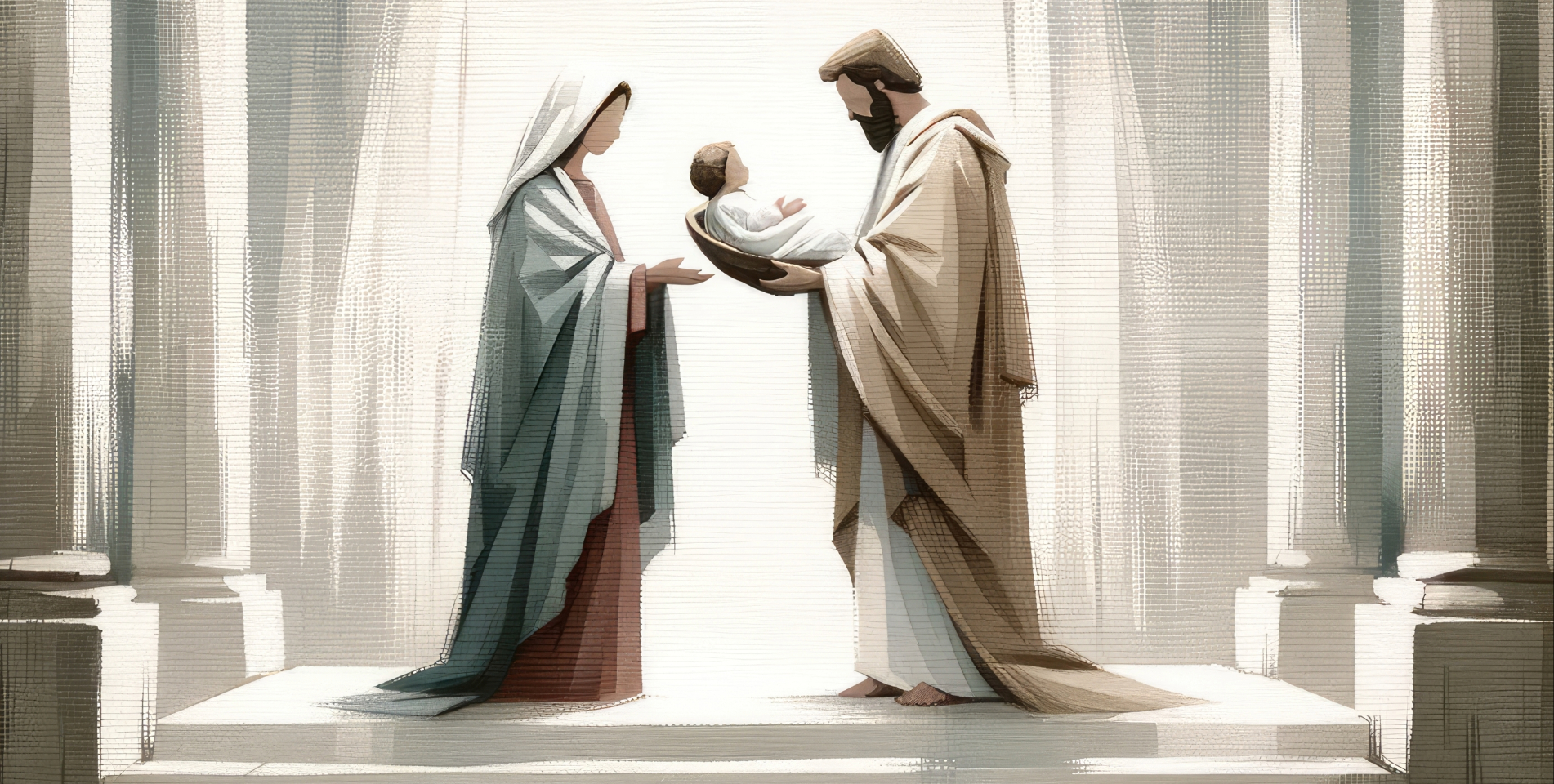
In the Temple in Jerusalem, two elderly people, Simeon and Anna, waited quietly for an encounter that they could neither foresee nor control. When the moment came, they simply recognised it. This is the mystery of waiting—not controlling God’s timing or allowing waiting to turn into indifference, but recognising when it is fulfilled.
The school of discernment
We are not thrilled by the idea of waiting. As modern people, we live under the dictatorship of dopamine; everything must happen instantly. Notifications and skip ads are basic ingredients of this reign. We have become hedonists and consumers of results rather than travellers in search of meaning. Our brains, accustomed to being rewarded promptly, have forgotten how to wait and be patient.
However, significant things such as truth, love, or humility do not occur or bear fruit in a moment. They do not respond to desire, but to the call of a mature heart and mind. They have their own rhythm and arrive in their own time. They arrive when they can be understood and received. Simeon and Anna understood that waiting is not a prelude to forgetfulness, laziness, boredom, or despair, but a school of discernment. Being good at waiting does not mean being jaded or impatient; it means allowing yourself to be transformed.
“Sovereign Lord, as you have promised, you may now dismiss your servant in peace. For my eyes have seen your salvation” (Luke 2:29-30). This statement does not express triumph or boastfulness, but rather an echoing silence. Simeon does not proclaim, “I have succeeded,” but confesses, “I have seen.” Fulfillment is not the result of his own efforts and abilities, but of the grace he has received through waiting and recognition. In the fragility of an infant, he recognises the greatness of the world and the fulfilment of the promise. Recognising meaning in weakness and humility is a sign of spiritual maturity. Those who are impatient and self-centred demand great signs, whereas those who are accustomed to waiting recognise greatness in the mystery of small things.
Anna herself does not give a speech, but proclaims good news. It is a theophany received on the go, while in action: she neither analyses nor draws prophetic maps, but testifies to those waiting that the promise has been fulfilled. When you learn to wait, you realise that you are not the owner of the promise, but its servant. It is at this point that the transition from waiting to fulfilment takes place—not when you become aware, but when you become a witness. Fulfillment does not make you the author, but turns you into a grateful witness.
The discipline of faithfulness
The lives of these two role models, Simeon and Anna, are characterised by a simple and rigorous discipline: faithfulness coupled with action. “Simeon, who was righteous and devout. He was waiting for the consolation of Israel, and the Holy Spirit was on him” (Luke 2:25), and Anna “never left the temple but worshiped night and day, fasting and praying” (Luke 2:37).
Faithfulness is neither brilliant nor ostentatious, but it shapes the inner geography of a soul in which fulfilment takes place without fanfare. Without faithfulness, waiting turns into postponement, and promises become excuses for cynicism and mockery. “In the last days scoffers will come, scoffing and following their own evil desires. They will say, ‘Where is this “coming” he promised? Ever since our ancestors died, everything goes on as it has since the beginning of creation'” (2 Peter 3:3-4). Faithfulness keeps the breath of expectation alive; it protects it from dying out and transforms it into action.
From the experiences of these two people, we can learn a few things that have been forgotten but are necessary:
- Fulfillment is preceded by humility. When it comes, there is no place for spectacle; all that is needed is the word “behold”, spoken sincerely from the heart. Simeon does not seize the moment or turn it into autobiography; he simply blesses it. For him, fulfilment is not an achievement. Between success that flatters the ego and fulfillment that increases meaning, he chooses the latter.
- Truth does not walk onto the stage, but is carried in someone’s arms. A child is not an argument, but a presence. The infant in the manger did not provide evidence for His messiahship; He was a humble presence that fulfilled the expectations of those who were prepared for His arrival. In this age of endless demonstrations, we have forgotten how to prepare and receive. Often, fulfilment does not require explanation, but preparation and swaddling—that is, care, patience, and consideration.
- Authentic Christian waiting requires spiritual hygiene. Prayer, fasting, silence, and prophetic reading should not be seen as achievements, but rather as ways to prepare for the descent of light. Without pursuing this spiritual hygiene, confusion increases and, when faced with delays, we lose hope.
- Waiting is neither passive nor static. Anna spoke, acted, and professed her faith. Active waiting means being available for tomorrow’s goodness and seeking to accomplish today’s goodness: showing mercy to one’s neighbour, acting justly and humbly. Great achievements grow from small, daily beginnings.
From the wisdom of waiting to the discretion of fulfilment
One might think that the passage of time is disadvantageous, but not in God’s economy. Simeon and Anna demonstrate that there is a wisdom of the heart learned through waiting and the passage of time. Young people and children may run fast, but the elderly know where to go. When you know where you’re going, you no longer compete with time; you fill it with presence and meaning. Their waiting was not weariness, but clarity. They unlearned haste and learned to wait, purifying their hearts in the process. That is why they saw the Lord.
At a community level, this story conveys an essential truth: visible achievements or victories require silent faithfulness. Schools that flourish, churches that heal, families that endure, and projects that last are all supported by people who work behind the scenes, like Anna, who “never left the Temple.” If we want to experience the satisfaction that comes with accomplishment, we must respect the unseen expectations: work without applause, discipline, and discretion. Successes are not achieved with slogans, but with consistency, perseverance, kindness, and humility.
Fulfillment is presence
The path from expectation to fulfilment is not a straight line, but a journey of discipleship. It is the art of keeping the candle lit without obsessively counting the minutes. It is the intelligence of the heart that recognises it cannot control the time of grace, but can prepare its antechamber—humble, merciful, and attentive. When grace enters, it does not find an exasperated spirit, but a present person. Christian fulfilment does not exclude wounds; it transforms them. The sword does not destroy faith or patience, but intensifies and deepens them. Outside of this pedagogy, waiting becomes fickle and fulfilment becomes a snare. Authentic waiting consists of a discretion that is never mistaken for absence, and fulfilment is not an idea, deed, or acquisition, but a living Presence.
Ștefăniţă-Marian Poenariu examines how Simeon and Anna approach waiting as a spiritual practice, preparing themselves for the encounter of their lives, which they then joyfully share with others who are also waiting.