By 2030, the global dietary supplements market is projected to surpass US $327 billion, according to Grand View Research (2023). But do these soaring numbers reflect real, measurable benefits—or simply growing consumer enthusiasm?
Professional organisations, medical experts, and researchers tend to be rather reserved, if not harshly critical, of the phenomenon. For example, Pieter Cohen, a physician and professor at Harvard Medical School, published an editorial with the telling title: “The Supplement Paradox: Negligible Benefits, Robust Consumption” (Cohen, 2016).
In 2017, Michael Gannon, an Australian professor and president of the Australian Medical Association, made the striking statement that dietary supplements often just produce very expensive urine, adding that what people need is a good diet (Forster, 2017). Such statements are based on a series of studies which, contrary to initial expectations, have refuted the existence of any benefits of dietary supplements and multivitamin products for the general population (although certain supplements may be useful for individuals with specific characteristics or in particular circumstances).
Supplements versus food
In 2012, a group of Serbian researchers analysed randomised clinical trials conducted up to that point that compared antioxidant dietary supplements (beta-carotene—the natural precursor of vitamin E—vitamin A, vitamin C, vitamin E, and selenium) with a placebo or no intervention (Bjelakovic, Nikolova et al., 2012).
The analysis brought together 78 randomised studies, with a total of 296,707 participants. After analysing data from the 56 studies of better methodological quality (with a lower risk of systematic error, or bias), they found that antioxidant supplement use was associated with a significantly higher mortality rate (12.9% versus 10.6%). Significant effects on mortality were observed for beta-carotene (13.8% versus 11.1%) and vitamin E (12% versus 10.3%). In the case of vitamins A and C and selenium, however, the differences in mortality were not statistically significant (they could easily have been observed by chance), but even in these cases, there were slightly more deaths in percentage terms in patients who took supplements than in those who did not.
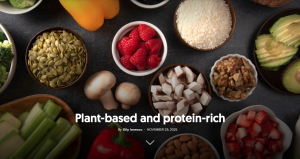
These findings contrast with the results of numerous studies indicating the health benefits of regular fruit and vegetable consumption, including a 5–10% reduction in all-cause mortality (Wang et al., 2014; Nguyen et al., 2016; He et al., 2007). This is scientifically plausible because in cancer, as in other diseases, multiple cellular signalling pathways are often affected, and a rich mixture consisting of hundreds of plant substances is much more likely to influence these pathways than a few isolated substances in dietary supplements. It is also speculated that these multiple substances act synergistically, producing an effect greater than the sum of the individual effects (Kapinova, Stefanicka et al., 2017). Therefore, it would be preferable to obtain nutrients from healthy foods rather than from dietary supplements whenever possible.
In the European Union, for example, the directive regulating the marketing of dietary supplements requires that their labels include the statement that “dietary supplements should not be used as a substitute for a varied diet” (Directive 2002). A balanced and varied diet should already provide most of the vitamins and nutrients that are sold separately in food supplements. While it is possible that certain individuals may require a nutrient supplement (e.g. vitamin B12 for vegans), a varied diet is generally more beneficial for health than food supplements, despite popular misconceptions or advertising suggesting otherwise.
Bibliography
- Bjelakovic, G., Nikolova, D., et al. (2012), “Antioxidant supplements for prevention of mortality in healthy participants and patients with various diseases,” in Cochrane Database of Systematic Reviews, vol. 2012, no. 3, art. no. CD007176.
- Cohen, P. A. (2016), “The supplement paradox: negligible benefits, robust consumption,” in JAMA, vol. 316, no. 14, pp. 1453–1454.
- Directive (2002), Directive 2002/46/EC of the European Parliament and of the Council of 10 June 2002 on the approximation of the laws of the Member States relating to food supplements, OJC 12.7.2002, L 183/51–57, art. 6.
- Forster, K. (2017), “Multivitamins just create ‘very expensive urine’, medical chief warns,” in The Independent, February 14, 2017, available at https://www.independent.co.uk/life-style/health-andfamilies/health-news/multivitamins-expensive-urine-waste -of-money-vitamins-australian-medicalassociation-chief-michael-gannon-supplements-a7578961.html [accessed October 29, 2023].
- Grand View Research (2023), “Dietary supplements market to reach $327.4 billion by 2030,” in Grand View Research (online), October 2023, available at https://www.grandviewresearch.com/press-release/global-dietary-supplements-market [accessed October 29, 2023].
- He, F. J., Nowson, C. A., et al. (2007), “Increased consumption of fruit and vegetables is related to a reduced risk of coronary heart disease: Meta-analysis of cohort studies,” in Journal of Human Hypertension, vol. 21, no. 9, pp. 717–728.
- Kapinova, A., Stefanicka, P., et al. (2017), “Are plant-based functional foods a better choice against cancer than single phytochemicals? A critical review of current breast cancer research,” in Biomedicine and Pharmacotherapy, vol. 96, pp. 1465–1477.
- Nguyen, B., Bauman, A., et al. (2016), “Fruit and vegetable consumption and all-cause mortality: Evidence from a large Australian cohort study,” in The International Journal of Behavioral Nutrition and Physical Activity, vol. 13, art. no. 9.
- Wang, X., Ouyang, Y., et al. (2014), “Fruit and vegetable consumption and mortality from all causes, cardiovascular disease, and cancer: Systematic review and dose-response meta-analysis of prospective cohort studies,” in BMJ, vol. 349, art. no. g4490.
Robert Ancuceanu is a professor and vice-dean at the Faculty of Pharmacy, Carol Davila University of Medicine and Pharmacy, Bucharest. He has a background in pharmacy, law, and biostatistics and is interested in all aspects of the pharmaceutical field and the life sciences in general.