













Behind the scenes of acts of kindness done at Christmas
The holidays are a time of generosity, when those forgotten by the world meet those who want to forget that sadness exists and, out of the coexistence of the two needs, something good is born.
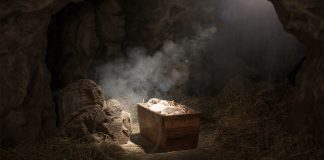
The manger, the sign of humility that elevates (us)
"This will be a sign to you: You will find a baby wrapped in cloths and lying in a manger" (Luke 2:12).
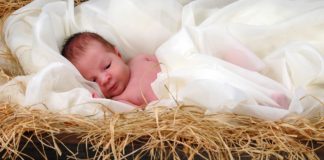
The miracle of the arrival of the Messiah: Looking for my own miracle
Unlike all the great founders of religions, Jesus of Nazareth is unique in both life and death, and nature and character. Only superficial researchers can consider him to be just a popular sage, a great prophet, or a revolutionary moral genius. Jesus is different from everyone, even in His birth.

Myth busters: Christmas
Putting Christmas on the myth-busting agenda is both an uncomfortable and challenging task—gratuitous sacrilege and pure paganism for those who believe that questioning Christmas is a sign of atheistic or conspiratorial leanings; honest, necessary Christian analysis for those interested in eliminating forgeries and freeing themselves from prejudice.
The Christmas invasion
They’re singing carols. Putting up fairy lights and mistletoe and fake snowflakes. The stores are full of Crosby, tinsel and Bublé. Yes, Santa’s on his way and, somehow, the list of what’s in his enormous red sack of gifts has appeared on my credit card statement. I know: I’ve checked it—twice!

The mystery of the incarnation
The birth of Jesus Christ is one of the most significant events in human history. Celebrated at Christmas, by some with emotion, by others with indifference, most of the time the holiday loses sight of the main Character. Religious meanings remain in the shadows, while commercial dimensions are pursued at all costs.
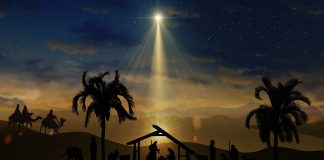
Telling the story for the 30th time
There are so many versions of the “real meaning” of Christmas—kindness, generosity, neighbourliness; family, food and gifts; and, in our part of the world, end-of-year parties, carols by candlelight, summer holidays and trips to the beach or other outdoor adventures.