











Although all calories provide the same amount of energy, they are not equal in terms of their nutrient content or the way they affect the body.
Myth: All calories are equal.
In physics, a calorie is defined as the amount of heat required to raise the temperature of one gram of water by 1°C at constant pressure. In nutrition, however, the term is used somewhat differently. When referring to the energy obtained from food, we are actually talking about kilocalories (1 kcal = 1,000 calories). In nutritional contexts, the term Calorie (with a capital C) is also used to mean one kilocalorie. This can be confusing because food labels often use the word “calorie” when they are actually referring to kilocalories. Food energy can also be expressed in other units. For example, one kilocalorie is equivalent to 4.18 kilojoules (kJ).
Why not all calories are equal
The idea that all calories are equal begins to fall apart once we consider how different types of calories affect the body. For example, 100 kilocalories from broccoli (a source of complex carbohydrates) have a nutritional profile that is vastly different from 100 kilocalories from cookies (a source of simple carbohydrates).
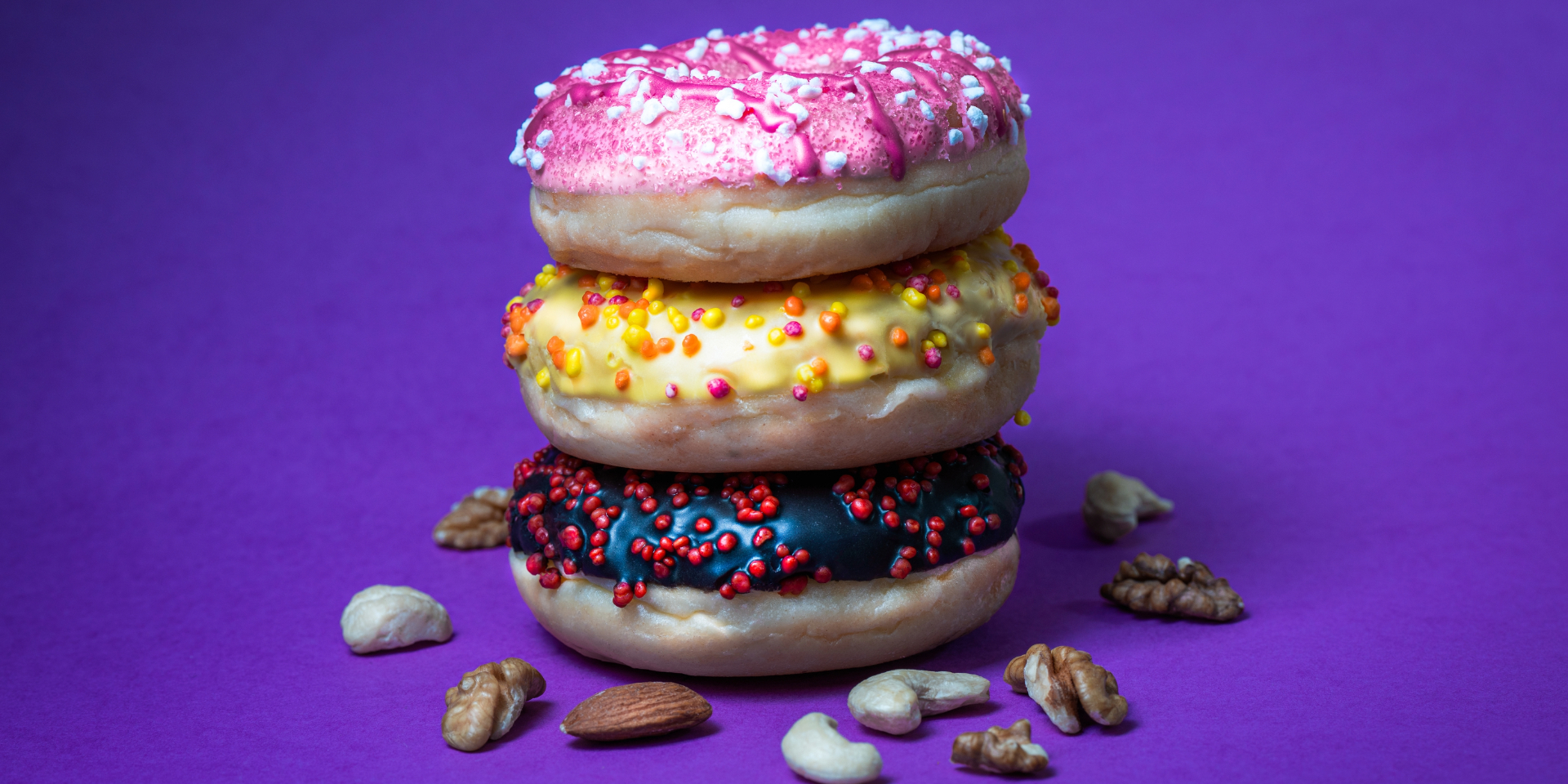
The nutritional quality of a food is more important than its calorie content. Although two foods may contain the same number of calories—that is, they are isocaloric—their effects on metabolism can differ, making them non-isometabolic. In other words, not all calories are equal. Some come from sources that provide little or no nutritional value—the so-called “empty calories”—such as those found in sugary drinks and sweets, which consist primarily of simple carbohydrates. Consuming these calories deprives the body of the essential nutrients found in whole foods and contributes to weight gain and other health complications. Thus, while 100 kilocalories from different sources have a similar short-term effect on energy levels, their long-term effects on the body and overall health are quite different.
A comparison of the two sugars that make up simple carbohydrates—fructose and glucose—illustrates this point. Both provide approximately 4 kcal per gram, yet they are metabolised (processed by the body to produce energy or perform other functions) in entirely different ways. Glucose can be metabolised by most of the body’s cells and used directly as an energy source. Fructose, by contrast, is metabolised primarily by the liver, and when consumed in excess, the surplus can contribute to fat accumulation. Compared with glucose, fructose is more likely to promote overeating because it increases levels of ghrelin, the hormone that stimulates hunger, while failing to activate the brain’s satiety centres to the same extent, as it reduces the body’s response to leptin, the hormone that signals fullness. In addition, a high intake of fructose—especially in the form of high-fructose corn syrup, commonly used in sugary drinks and processed foods—is associated with metabolic problems such as insulin resistance, the accumulation of abdominal fat, and elevated blood levels of triglycerides and LDL cholesterol. It should be emphasised, however, that the fructose naturally found in fruit is accompanied by fibre, vitamins, and minerals, making fruit a healthy choice when consumed in moderation.
The thermic effect of macronutrients—the energy the body expends to digest, absorb, and distribute them—is not the same either, providing further evidence that not all calories are equal. Protein requires the greatest amount of energy to metabolise, with the body using about 25–30% of the calories it contains during processing. Fat, by contrast, uses only 2–3% of its calories, while carbohydrates require about 6–8%. In other words, for the same number of calories from different sources, the body expends different amounts of energy to process them. Of 100 kcal from protein, the body uses approximately 25–30 kcal for digestion, whereas of 100 kcal from fat, only 2–3 kcal are used for digestion, with the remainder potentially being stored as body fat.
In conclusion, calories from different sources can have markedly different effects on appetite, hormone regulation, energy expenditure, and the regions of the brain that control food intake. For this reason, it is advisable to avoid foods that provide “empty calories” whenever possible. Although they may leave a sweet, pleasant taste in the moment, in the long run they can leave behind the bitter consequences of obesity and the diseases associated with it.
Bibliography
- Howell, S., and Kones, R. (2017), “‘Calories in, calories out’ and macronutrient intake: The hope, hype, and science of calories”, in American Journal of Physiology. Endocrinology and Metabolism, vol. 313, no. 5, pp. E608–E612.
- Gunnars, K. (2023), “6 reasons why a calorie is not a calorie”, in Healthline (online), 29 June, available at https://www.healthline.com/nutrition/6-reasons-why-a-calorie-is-not-a-calorie [accessed on the 17th of October 2023].
- Osilla, E. V., Safadi, A. O., and Sharma, S. (2023), Calories, StatPearls, Treasure Island.
- Scher, B. (2022), “Are all calories the same?”, in Diet Doctor (online), 25 September, available at https://www.dietdoctor.com/science/calorie [accessed on the 17th of October 2023].
- “Not all calories are created equal [infographic]” (2019), in Mediclinic Infohub (online), available at https://www.mediclinicinfohub.co.za/not-calories-created-equal [accessed on the 17th of October 2023].