











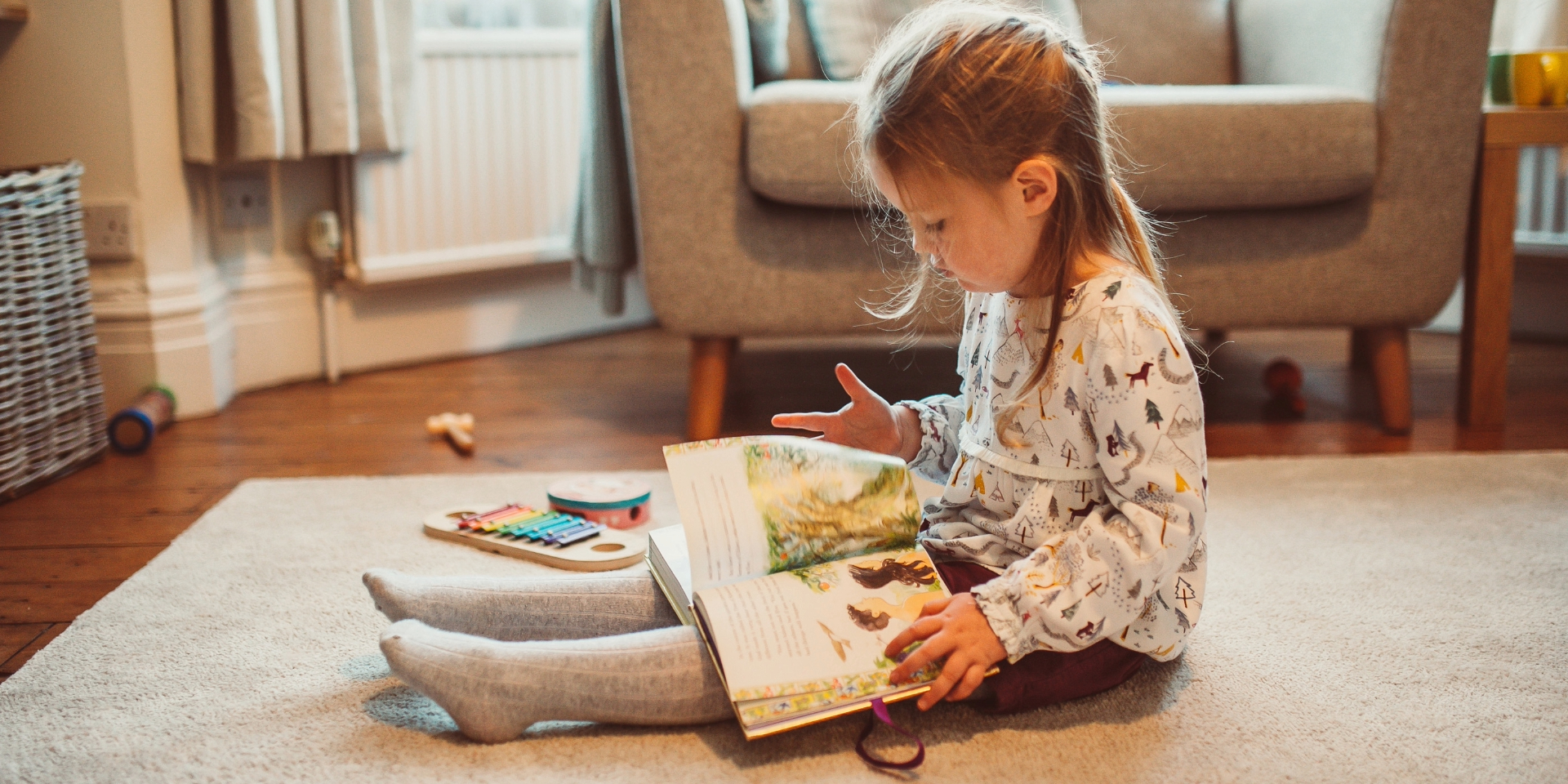
Before I even learned to read, I had already fallen in love with timeless stories. I would have loved to hear them every day. During the summer holidays, I would insist that my older sister—the one lucky enough to have already unlocked the secrets of the alphabet—read me one more story, and then another.
I was fascinated by the adventures awaiting the protagonists—sons and daughters of kings, all well-behaved, beautiful, and humble, yet wronged by a capricious and cruel fate that would atone for its sins toward the end, when it restored a fragile sense of justice and placed the heroes on a well-deserved pedestal.
I adored happy endings because, through them, I knew that struggles and suffering were not in vain. They gave me faith in hope and goodness. Although they followed a different pattern, superhero movies later took on the same role of a comforting friend, assuring me that everything would be all right. I admired the main characters, who were capable of overcoming any obstacle to fulfill their purpose, always making the right choices and always sacrificing themselves for others.
Years later, I could no longer look at these models so naively. Between fairy tales and reality was a gap too wide to bridge; between movies and everyday life, I saw differences first, followed by the few similarities. In real life, the upward trajectory of fictional lives was replaced by ups and downs, by trials that could not be solved by turning somersaults three times or putting on a shining cape, and by overwhelming events that did not come with magic words to make everything better.
Years later, I came to understand that these things cannot be viewed in black and white; that happiness does not mean the absence of troubles, but recognising the joys that happen despite them. Without minimising the life stories of others who have faced greater hardships, I could say that I am among those who did not learn the lesson of happiness the easy way.
Marked by financial hardship, misunderstandings between my parents, and far too little confidence in myself, I was a child who was reserved when it came to dreaming. The need to tighten our belts financially made me cautious, even with my own aspirations and desires: wanting little, tentatively, and only in the short term.
The sudden loss of my father, when I was just 13, also contributed to my belief that life is far too fragile to afford us the luxury of serious, confident plans for the future; it planted in me a doubt about tomorrow, driving away the courage to hope.
Amid such hardships and inhibitions, I remember that what warmed my heart were my grades at school. Through them, I gained validation within a group of children whose lives I idealised because they possessed something I secretly wished I had: nice clothes and loving families, a sparkle in their eyes, and plans for the future.
In addition to “home,” school was a safe, predictable, and pleasant environment, which is why I loved middle school so much, with all its demanding subjects, genuine friendships, and recesses filled with lively games. But since good things do not last forever, my fruitful relationship with school did not maintain its satisfying proportions either.
With the merciless onset of adolescence, all the fears, insecurities, and shortcomings of childhood suddenly exploded, like a pressure cooker. When I started high school, I began to seek refuge in being even more cautious about exposing myself to the unknown. In other words, I settled for little, even though, as I matured, my age was forcing me to move toward adulthood.
The years that followed the completion of my four years of high school meant retracing that process in reverse: from hypervigilance to a willingness to make myself vulnerable, from restraint to curiosity. University, my workplaces, spirituality, the people around me, and my life partner helped me discover new ways of dealing with life’s uncertainties and my fear of the unknown.
The passage of time showed me that, although they had protected me from failure and disappointment, the strategies of the past no longer worked, because it is impossible to live fully without hope, without the belief that we can improve things, and without the freedom to dream. If the child I once was survived in emergency mode, the adult I am today can do better.
It is clear that everyone goes through suffering, struggles, and disappointments, or even shocks, trauma, and irreversible losses. It is equally clear that when we lack the power to change what is around us, the only thing left to do is change ourselves—a lesson that Viktor Frankl, a Holocaust survivor, also set down in his writings. What is not so clear is how to get there:
- How do we accept hardship without resigning ourselves to it?
- How do we become patient, without being complacent, in a difficult situation?
- How do we develop resilience without losing our compass, our beliefs, or our expectations?
The saving middle ground
Certainly, there is no universally valid recipe, no miraculous panacea. Yet any of us can take steps in the right direction, as resilience is a quality that develops much like muscles strengthened through exercise at the gym.
One of the most important aspects of developing resilience as a process of adapting to complex life situations is perspective: the way we translate our personal future and its potential threats into subjective language.
There are people who live with a constant fear of the future, behaving as though the very sword of Damocles were hanging chaotically over their heads; people who are always on guard, prepared to take the blows of an implacable, harsh fate. On the other hand, there are people convinced that nothing bad can happen to them, that illness, accidents, or financial crises are always reserved for others; people who dream with their eyes open, confident that their endeavors will succeed, yet who are not afraid to ask, “Why me?” after discovering the bitter taste of personal tragedy.
For a long time, I belonged to the first category. Convinced that evil lurked at every step, disguised in the sad clothes of failure, I could not truly enjoy life. Paradoxically, constantly anticipating misfortune did not help me overcome it any more easily if it actually happened. Gradually, however, realising that all I was doing was sabotaging myself, I began taking hesitant steps toward the saving middle ground.
Beyond the definitions found in psychology, we could say that resilience, patience, and courage have much in common with the middle ground. Unlike the hypervigilant or the impervious, resilient people form realistic expectations of everything around them, aware that human burdens can be approached with flexibility, an open mind, and a desire for change.
The good news is that the ability to be resilient develops throughout life. There is no diploma that grants this quality. That is why, when it comes to passing the test in the discipline of resilience, I am optimistic about myself. I know that I can learn from theory every day, but also that I can draw practical inspiration from the people around me. From many of them, I have learned that resilient people are those who:
- do not treat negative events as absolute;
- do not extend failure to every area of their lives;
- do not believe that problems are irreversible;
- do not allow themselves to become overwhelmed by their emotions to the point of losing control and self-possession;
- are inclined to resolve crisis situations rather than amplify or avoid them;
- are guided by a winning mindset, believing that wherever there are problems, there are also solutions.
Moreover, resilient people understand that making mistakes is human; they do not berate themselves for their setbacks.
Although contemporary society puts pressure on everyone, promoting the idea that every person should be the best version of themselves, regardless of their context, abilities, or personal history, in reality, achieving the ideals of perfection and self-fulfillment means following a winding path that does not guarantee success alone. It would be absurd to believe that we can move peacefully through the waves of life without also encountering mistakes, rejection, or disappointments. Not even Hollywood films bring this idea to life, even though—unlike reality—they are almost always stories with happy endings.
Accepting that we are not perfect makes us more resilient in difficult times, thanks to a necessary dose of realism about our place in the greater landscape of existence. Once we have viewed our shortcomings and flaws through the lens of self-awareness, we can make peace with them and turn our attention to our strengths, to the person hidden within our hearts, thus discovering new ways of being happy.
Clear thinking and the bigger picture
What else can help us become resilient and adapt successfully to difficulties?
It is well known that when we are not directly involved in a problem, we have a greater ability to look objectively at the circumstances, identifying the causes as well as possible solutions. That is why it is much easier to give advice to those who find themselves in trouble than to apply that advice ourselves when we are in a difficult situation.
In this context, detachment, or externalisation, could be one of the necessary steps toward overcoming an impasse, as it encourages clear thinking and “cool-headed” decision-making, discouraging actions taken on the spur of the moment.
Personally, I have often turned to this exercise of externalisation, including during the pandemic, when losing my job placed me in a role that was entirely unfamiliar to me—the role of an unemployed person. I remember that, eager to rid myself as quickly as possible of this unfortunate status, I mindlessly applied for job openings I found on employment websites. Before long, the very few invitations to interviews made me question my qualifications, skills, and credibility as a potential employee.
Although despair was a much more tempting and readily available option, I chose to look at the situation objectively, understanding that I simply could not have stood out to every employer, given that I had also applied for jobs that were incompatible with my education and professional experience.
Over time, I have also faced other situations in which detaching myself from my problems gave me the broader perspective I needed to anticipate the steps required to bring about a favourable change. This strategy is also useful because it helps us gain better control over our emotions, so that we do not give in to impulsive reactions or even to the “numbing” tendencies that may lead us to respond to suffering by adopting risky behaviours (retreating into the virtual world, compulsive overeating, tobacco or alcohol use, etc.).
It was also through my own experience that I discovered that humour can serve as a subtle mechanism for adapting to stressful life situations, motivating me to embrace novelty with interest and curiosity.
Of course, the traits or habits that help us manage negative experiences do not end there. A genetic predisposition toward resilience, a balanced outlook, acceptance of our own flaws, an objective approach to problems, faith, social relationships, and the ability to learn from the past are also important. They are practices that shape us and that we can shape, starting from the most important goal we have been given: to be happy.
Genia Ruscu recalls childhood experiences as an opportunity to demonstrate that even weak beginnings in life can have happy endings, not only because of favourable circumstances, but also through the activation of valuable and improvable inner resources that sustain courage, resilience, and patience in the face of life’s hardships.