











COVID-19 and our low-risk but endangered children
All COVID-19 statistics lead to the same conclusion: the young ones, our children, are at the lowest risk of getting ill or dying from the virus. That’s comforting. But the pandemic does pose a certain danger to them.

The God of love, the God of justice
Centuries ago, the German theologian and philosopher Gottfried Wilhelm Leibniz used the term “theodicy”1 for the first time—“God’s justification”. By theodicy, Leibniz meant the ultimate reality of justification, once and for all, of God and all of His ways before the whole universe.

In the footsteps of the historical Jesus: benefits and perils
Christianity is either historical or not. It claims that “God acted decisively in history, revealing Himself in external, specific events attested in the Scriptures of the Old and New Testaments.”[1] The most important of these events was the coming of Jesus as the Messiah, the saving Christ.
Mistakes in identifying errors in the Bible
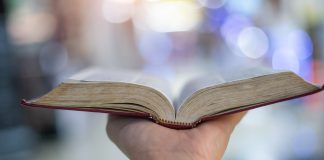
Are there errors in the Bible? If so, what kind of errors and how do they affect its inspired character? Are there contradictions between the authors of the Bible? How are these explained?
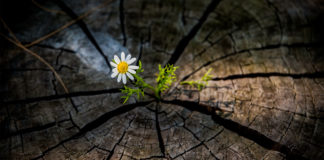
My mechanism of resilience
When I was four years old, my younger brother was born. My parents focused on my brother and spent less time with me. It was only 40 years later that I discovered how this had affected me.
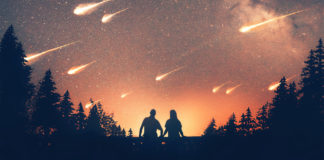
The end of the world: on the list of convictions that frighten us
A good survey of people's thoughts on the end times would not seek to find out whether people believe the world will end or not. Rather, it would seek to know what their thoughts are on when and how the end will come. Regardless of the source of their belief—religious or secular—most people have come to see the idea of the end of...
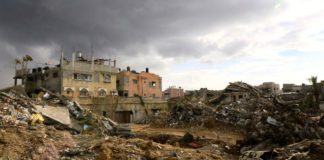
The doctor who healed hatred
When war kills not one but three of your children, what is there left besides hatred?

Facing the person in the mirror
The great attraction of the virtual world comes from the fact that it gives its users the possibility of escape. Inside that world, they feel they can hide their identity and satisfy their every fantasy without suffering any consequences. Being able to hide one's identity offers a sense of freedom, which isn't a bad thing to want, after all. But is freedom of...
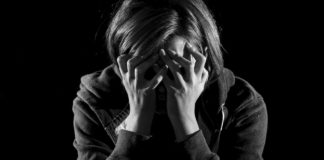
Suicide: What does the Bible have to say about it?
Every human being, without exception, is a potential suicide. If we look at suicide as a process of self-judgment, condemnation, and execution, every human being walks down this path, at least some of the way.
COVID-19: The pandemic that transforms us into different people
In Europe, one in twenty people suffer from depression, and one in four will experience depression during their lifetime. In the United States, major depressive disorder affects about five percent of the population.

Don’t say I haven’t told you so…
During my adolescence, a Swiss author, Erich von Daniken, made waves with his theories about extra-terrestrial influences on early mankind. His most important book was called Memories of the Future. Of course, his ideas have no support today, but the idiom remains: memories of the future. Something from the past says something about what is to come.

Faith that sees the miracle
I spent the end of high school in the Scandinavian school system. There, the teenager is confronted with the great questions of mankind in the context of social disciplines

A day on the golf course and the unexpected effects of trauma
Douglas Jacobs has a long pastoral and academic career, as well as many hobbies and interests. An accidental witness to an armed incident that changed his perspective on life and death, he shares his surprising experiences and lessons learned.
Our inevitable failures
Economic capitalism has a psychological twin, one that is not as bold and brash as its profit-obsessed counterpart, but if we look into the subtle details of our interior universe we find it hidden there.
COVID-19: Second thoughts on Doomsday
Although they are constantly improving their preparedness for crises and disasters, modern societies find themselves powerless in the face of a growing threat: transnational crises.