














Is Christianity a cult?
Western society has a fascination with cults. The word itself conjures up imagery of a seedy leader sporting dark aviator sunglasses and captivating a group of conservatively dressed people with his every syllable. The word brings a subtext of utter devotion but also absolute brainwashing or mind control.

COVID-19: Lessons on happiness from an invisible teacher
When life takes a bad turn, we are often tempted to console ourselves with nostalgia. We begin to look at the past in a different light. We realise that we had been too demanding of ourselves, of others, of the world. That even though we had everything we needed we still wanted more. That we were always looking for something else, without paying...

Complete surrender: A life summed up in two words
Of all the decisions we've ever had to make, it's easy to identify those that have changed our lives and tested our character. For Eric Liddell, one such decision was to give up an Olympic race for his faith.

Metropolis
Urban alienation is one of the great themes approached critically by many artists.

Saint Paraskeva: History and mythology
For the crowds gathered around the casket containing the relics of Saint Paraskeva, everything is just dream and faith. Amazingly much faith. There is also something else. There is the hope of a miracle, a miracle that will cure diseases, cover debts, and make life happy.
COVID-19: What do we do after the relaxation of restrictions?
After the authorities in different countries announced a relaxation of the restrictions, people started to impatiently waiting for that, maybe even with plans to recover last bits of a confiscated spring.

Portrait of a mother
Inexplicable joy, sleepless nights, fulfilled dreams, well-founded or irrational fears, wide smiles, bitter tears, unexpected rewards, and sacrifices—they all intertwine in the life of a responsible parent in such a way that it is not easy to grasp how difficult and beautiful they can be, all at the same time.

Health begins with accurate information
A healthy lifestyle starts with acquiring information properly. In a world flooded with information, patients are often confused and overwhelmed by conflicting nutritional recommendations and spectacular promises about proposed diets. In this context, it is essential to assess the validity of information using well-established criteria.

Religion is what’s in my heart: true or false?
"Religion is what is in my soul. No one can take away what is there. But in public we have to comply..."

The boots that filled a void in the soul
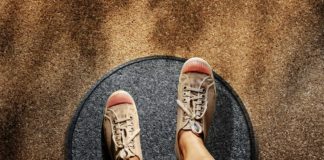
No matter how hard we try to hide it, there are days when we are struck by the overwhelming feeling that our lives, however beautiful and enviable, are missing something essential.

A sharp mind at the age of 100
Growing old is inevitable, but experiencing a significant cognitive decline isn’t. An encouraging piece of news uncovered by several studies that focus on people in their old age suggests that changing one’s lifestyle could increase the chances of having a sharp mind up until the age of 100.

The entourage of Jesus
Ever since Thomas the Unbeliever, Christians have wanted to see with their own eyes what those who have been with Jesus at key moments of His mission saw.

Why do we lose our friends?
“Walking with a friend in the dark is better than walking alone in the light” (Hellen Keller).

The basics of how to communicate effectively
Today, communication is becoming easier thanks to technology, which makes it faster and more accessible. Unfortunately, this does not necessarily mean that we know how to communicate effectively.

The transforming power of one caring adult
Statistically, by now Josh should have been either in jail, living on the street, or dead. The long years in which he was abused and expelled from the families who took him in made him no longer trust anyone. But the love of adults who showed him that they cared was stronger than anything that pushed him toward self-destruction.