







COVID-19: How do you recognise a conspiracy theory in a pandemic?
The Colorado beetle that threatened the potato crop of the former GDR in 1950 might have been an American method of sabotage against the Eastern bloc. A sinister German plot might have been the cause of the Spanish flu. Perhaps AIDS emerged as a biological weapon developed by the United States and has been tested on prisoners and minorities. Every crisis humanity has...
VIDEO: I talked to 10 people who are sick with COVID-19
They live in five European countries and could not be more different in age, interest or inclination. However, that made no difference. They were all infected. Some were not scared. Others were terrified. They have all gone through an experience that, without exception, has marked their lives.
COVID-19: Crisis prayer
A major crisis pushes us to re-evaluate the way we see and do things in the fields of health, finance, and social interaction. But how does this crisis affect our religious practices—especially the most common of these, prayer?

How to manage parent-child conflicts during the pandemic
One can hardly overestimate the role the relationship between a parent and their child plays in forming a matrix for the child’s future relationships, whether healthy or dysfunctional. The quality of the parent-child relationship is essential because it directly impacts the child’s social and emotional development, and its quality influences the child's ability to deal with future conflict.
How you can get your sense of smell back after a cold
A recent study showed how we can fully restore our olfactory sense after a cold, during which nasal constriction prevents us from smelling even the most intense smells.

COVID-19: Helping children (and others) with viral anxiety
Even in difficult times there are many things we can do at home to help children as well as teenagers to feel less worried.
COVID-19: Is there an essence of Christianity that needs to be manifested in times of crisis?
The headline of this article is actually a combination of two important questions. First, we can ask if there is such an essence of Christianity, and if so, what it is. The second question is what elements of Christianity are essential or even necessary in times of crisis.

COVID-19: Those who “would have died anyway”. How much is a human life worth?
Discussions about the reasonable number of deaths in a pandemic, about whether or not the price for saving people is killing the economy and, ultimately, debates on a life’s value were brought to the fore by the COVID-19 pandemic.

COVID-19: Excerpt from a diary on the Great Britain front
Noemina is a graduate of the University of Hertfordshire, UK, where she majored in health care. She is working in her field as of 2012. The journal excerpt she sent to us reflects her week-long experience at the epicentre of the battle with the new coronavirus in the intensive care unit, where serious cases are admitted.
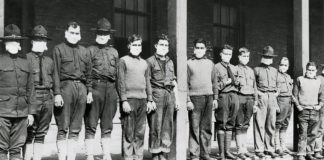
Spanish flu to COVID-19: Lessons from a forgotten pandemic
The Spanish flu filled graves in almost every cemetery in the world. However, surprisingly, this tragedy had largely been forgotten until recently. A century later, the issue returned to the centre of attention, with specialists wondering if they can identify a pattern in the evolution of the COVID-19 health crisis based on the pandemic from a century ago.
COVID-19: Which end is The End?
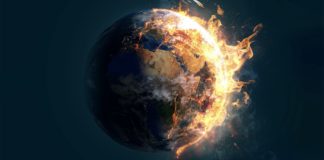
As the crisis caused by the new coronavirus deepened and spread, it was to be expected that the phenomenon would be framed in apocalyptic terms. It is something that tends to occur in such contexts.
A rapid test concerning COVID-19 and religious freedom
At the heart of Religious Liberty is the issue of worship. Religious Liberty is the freedom to worship according to one’s own conscience.

COVID-19: Recurrent revelations
Any large-scale phenomenon, such as a pandemic, activates our instinct to preserve our state of being—especially when we feel like we are losing it.

Family crisis does not wear a mask during a pandemic
Many families who feared that the new coronavirus would affect their health ended up dreading its effect on something seemingly even more difficult to protect: the well-being of their relationship.
COVID-19: When time no longer means money
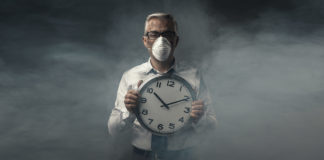
As a teenager, I remember pasting a quote from Blaise Pascal on the wall of my room. It was a thought I resonated with, not without some arrogance: "All of humanity's problems stem from man's inability to sit quietly in a room alone."