








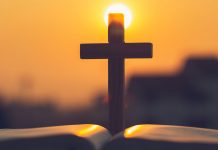

COVID-19: Is there an essence of Christianity that needs to be manifested in times of crisis?
The headline of this article is actually a combination of two important questions. First, we can ask if there is such an essence of Christianity, and if so, what it is. The second question is what elements of Christianity are essential or even necessary in times of crisis.
The risks of mRNA vaccines in the COVID-19 era: How we know they don’t alter our DNA
Risks of mRNA vaccines in the COVID-19 era: How we know they don't alter our DNA.

COVID-19: Inequality and the pandemic
When confronted with the pandemic, we are anything but equals.
Eight months into the pandemic, where are we headed?
We do not know what 2020 would have looked like without a pandemic, but we already know that some losses could have been prevented. And, if the future lies in the spectrum of pandemics, as the WHO warns, we should learn all the lessons that can be learned from this long journey.

COVID-19: Crisis prayer and the crisis of our prayers
I was descending from Omu Peak, in the Bucegi Mountains, with a few dozen young people. It had not been an ideal hike, and we were behind schedule. The forest made the darkness even thicker as it began to cover the mountain, and slowly, our minds as well.
COVID-19: Lessons on happiness from an invisible teacher
When life takes a bad turn, we are often tempted to console ourselves with nostalgia. We begin to look at the past in a different light. We realise that we had been too demanding of ourselves, of others, of the world. That even though we had everything we needed we still wanted more. That we were always looking for something else, without paying...
COVID-19: Fake news, now and ever
Elisa Granato, one of the first people to be tested for a Covid-19 vaccine, died. The news rolled in the virtual media 6 times faster than other news.[1] Keep this number in mind. This is important because, as we learn from a study published in Science, fake news spreads on average 6 times faster than genuine news. And not only faster, but also...

COVID-19: Which end is The End?
As the crisis caused by the new coronavirus deepened and spread, it was to be expected that the phenomenon would be framed in apocalyptic terms. It is something that tends to occur in such contexts.
VIDEO: I talked to 10 people who are sick with COVID-19
They live in five European countries and could not be more different in age, interest or inclination. However, that made no difference. They were all infected. Some were not scared. Others were terrified. They have all gone through an experience that, without exception, has marked their lives.

COVID-19 and our low-risk but endangered children
All COVID-19 statistics lead to the same conclusion: the young ones, our children, are at the lowest risk of getting ill or dying from the virus. That’s comforting. But the pandemic does pose a certain danger to them.

COVID-19 prevention series: An introduction
“A healthy lifestyle has been an important part of the beliefs of the Adventist Church since its early years and remains so. We are still committed to live, share, and promote healthy living as expressed by the holistic Adventist health message entrusted to the Church. The Adventist health studies have confirmed the unequivocal benefits of increased longevity and quality of life through implementing...

How can we prepare for a potential infection with COVID-19?
Although a small minority deny the existence of COVID-19 (claiming that it is a malicious conspiracy), most people are interested in what they can do to be as prepared as possible for a potential encounter with the dreaded virus.

COVID-19: Could giving up ever be the key to success?
Pray! If not to God, then to a god. Admit that we are defeated, because this is the first step towards victory.

COVID-19: How to stay efficient at work when your kids are near
How can one be efficient with your tasks when you no longer have an office of your own? How can one divide themselves between children, household chores and deadlines? How can one excel in their job without losing their mind or at least their patience? These are questions I had to face during the pandemic, even if working from home, around children, is...

COVID-19: A sad opportunity for the homeless
The prevailing message in the context of the pandemic was clear, but also disturbing: "Don't go out! Stay home! Work from home!" But what about those who do not have a home?