














An impossible inventory of the most widespread fake news about COVID-19
The epidemic of false information in this worldwide pandemic is even more infectious than the virus itself. Fortunately, there is a vaccine for this epidemic of fake news: quality information and information filters. However, not everyone has been vaccinated. Here is an immunization effort.

One lottery ticket and an unexpected ending
Whether we admit it or not, our lives are conditioned by money—mostly by the lack thereof. There are few who manage to snatch themselves out from under its spell, and even fewer who want it just to be able to give it away. Among the latter is Rachel Lapierre.
What about the failures that haunt us?
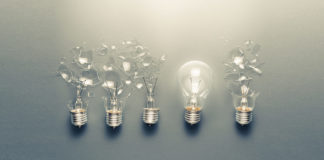
A smooth sea never gave a skilled sailor, said Franklin D. Roosevelt, suggesting that without hardship, challenges and even failures, we cannot become our best selves.

Life after lockdown: a return to the rat race?
On any given day, a typical person checks the clock several dozen times.
The future is best seen with your eyes closed
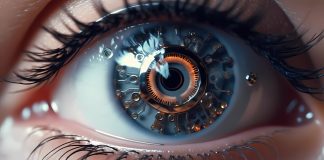
When I watch chicks hatch in a nest and begin to perform the instinctive behaviours of their species, I think about what we might understand about ourselves, the human species, if we had the perspective of such a privileged observer.

Why we don’t follow through when we know we should
But why do our ambitions of self-improvement rarely stick the way we hope they will?

8 signs that show you are an introvert
Detecting an introvert is not as easy as we may think, because sometimes introverts are not shy or silent at all, they take responsibility, work extraordinarily in teams, and can even be skilled public speakers. Yet several traits can unveil the introverted character of an individual.

The myth of more
In the late 1980s, Donald Trump was asked how much money it would take to make him happy. His answer? “Ten per cent more.”

“The Factory”: on human justice
"Do not take revenge, my dear friends, but leave room for God's wrath, for it is written: 'It is mine to avenge; I will repay,' says the Lord" (Romans 12:19).

How disposable are you?
How do we value a human’s life? Should we rate lives on their value to their community? That would mean a life-saving surgeon would have more value than someone living on the street. Or is it potential—which would make a baby more valuable than a 50-year-old? What about the value we place on those later in life versus those at the end?

Tony Giles and the courage to feel the world
Close your eyes, cover your ears, and imagine that all your life you will need to get by without being able to see or hear much. Perhaps merely imagining this makes you shiver, and in no way can you associate such a life with joy, independence, or travel. Tony Giles is one of those people who has managed to successfully remove all these...

COVID-19: White money for black days: using savings when you #stayhome
One of the most powerful pieces of literature illustrating the proper preparation for a financial crisis comes from antiquity. More precisely, from the Bible.

A parallel world
It is interesting to see Louis Baragona's portrait of a modern witch. Although he was sceptical at first, Louis tells how Emily Grote, an elegant "psychic" from Brooklyn, New York, changed his life.

The Great Reset: realities, utopia, conspiracy
The phrase "the Great Reset" generated over eight million interactions on Facebook and tweets about it were shared almost two million times on Twitter, since the launch of the initiative.

AI and jobs: when your colleague is a machine
“AI is replacing human tasks faster than you think.” “Wall Street Job Losses May Top 200,000 as AI Replaces Roles.” “AI Set to Replace Workers Across 41% of Companies in the Next Five Years.” And more recently: “Bill Gates Predicts Only Three Jobs Will Survive the AI Takeover—Here's Why”. These headlines are fueling growing anxiety among those unfamiliar with artificial intelligence or those...