














Decoding the EU’s place in Bible prophecy
Europe is more divided than ever. What does that mean for our reading of biblical prophecy?

Mary’s journey: from inner turmoil to unshakeable trust
Mary was an ordinary person, just like us. The Gospel does not suggest that she had any particular merit, yet her obedience played a pivotal role in a story that would change the world.
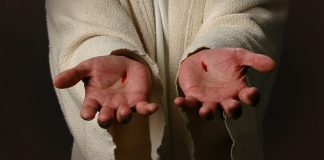
The One who couldn’t live knowing that I was dying
Love stories have the ability to captivate us with the details of an undying beauty, to overshadow the uncertainties about their permanence, to introduce through the front door the hope that one day we will live such a story, which will bear the signature of eternity.
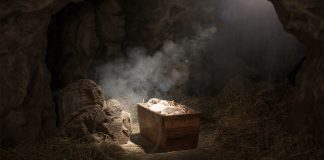
The manger, the sign of humility that elevates (us)
"This will be a sign to you: You will find a baby wrapped in cloths and lying in a manger" (Luke 2:12).

Like colours in a cheap fabric
Soviet soldier Bakhretdin Khakimov was declared missing in action during the war in Afghanistan, which claimed the lives of 15,000 USSR soldiers and more than a million Afghans. Thirty-three years later, his family found out he was alive, living as a true Afghan among his former enemies.

“The woman with the book” | The weakness that unleashes the power of God
God uses the traits we dislike as well as our weaknesses to create something great, beyond our abilities and imagination. This is the message that pervades the pages of "The Woman with the Book", the biography of the missionary Gladys Aylward.

The Protestant Reformation: The river that runs through the whole earth
The Protestant Reformation was a tumultuous river, the flow of which began to become visible in 1517. A significant contribution to this eruption was made by its tributaries, the (pre-) Reformation movements: the Waldenses, Albigensians, Lollards, Hussites, etc.—true springs of the main Protestant current, which took over their force in its flow through history.

Costly choices
One reason, if not the reason why the story of humanity's first wrong choice, the original failure, is vehemently denounced is the brutality with which this event—a seemingly trivial "dietary" decision that turned out to be the most costly ever made by a human being—reminds us more powerfully than any other story how painful the consequences of our mistakes can be. We do...

The solution to addiction doesn’t come from within
How should addictions be understood? Addiction is usually regarded as a failure of the will, or as a sickness. Lately, the tendency is for the younger, educated generation to embrace the second answer. The idea that addiction is a failure of the will, a sin, from a Christian perspective, is seen as outdated.

Hope in the storm
This coronavirus crisis has, for me, some perplexing parallels with a well-known incident narrated in the Gospel of Matthew (14:22-33). The disciples are confined in a little boat in the middle of a terrible storm, almost as we are confined at home today by the emergency laws of our countries.

Decoding Jesus’s cryptic message
Biblical interpretation is undoubtedly one of the greatest challenges for the Bible reader. What are the essential hermeneutical principles we need?

From Charon’s skiff to the tomb of Lazarus | Part 1
Belief in life after death is present in many religions and cultures and has always been an important aid in accepting the tragic reality of death. However, rather than speaking of the intrinsic immortality of the soul, the Bible speaks of the future resurrection of the dead.
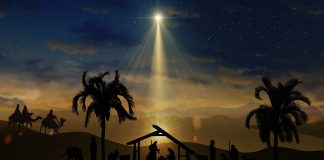
Telling the story for the 30th time
There are so many versions of the “real meaning” of Christmas—kindness, generosity, neighbourliness; family, food and gifts; and, in our part of the world, end-of-year parties, carols by candlelight, summer holidays and trips to the beach or other outdoor adventures.
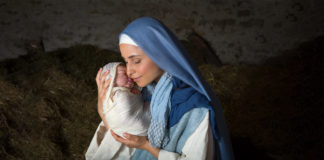
Born of a virgin
When Larry King was asked who he would most like to interview among all the famous characters of history, his answer was clear: "Jesus Christ". The talk show host wanted to know if Christ had indeed been born of a virgin. "The answer to that question would define history for me,"[1] King said.
The incomplete revelation
Are there subjects that even Holy Scripture does not fully explain? If so, why does God allow this?