







The tragic divorce
It is not the environment or the circumstances, but the concept of the meaning of life that is fundamental to the course of our lives. Life remains dependent on the value it holds in the mirror of the mind. The way we live is the visible messenger of the invisible inner man. Every form of action is born of faith, and every form...
A Bible for everyone
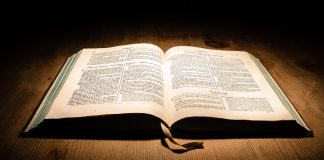
Little Welsh girl Mary Jones anxiously walked the 40 kilometres. She couldn't wait to buy a Bible in her language, as she had been saving for it for more than six years. But when she reached the shop of Mr Charles, her pastor and teacher, she found with despair that all the Bibles were either sold or already spoken for.

The lost faith
Faith is a commonly used concept, but it is rarely understood in its rich semantics and philosophical implications. Christian faith rises above being defined by lists of doctrines, beliefs, moral principles, commandments, and liturgical rituals in the communicator's mind for its nature and content to be faithfully represented.
“God is dead”. Any objections?
The tendency toward the total privatization of religious life is particularly strong today, especially in the new generation.

What do we do with our guilt?
Nothing else on earth judges a person as ruthlessly as their own conscience, and truthfully, nothing else should. The painful process happens before and after the harm has been done.


The cry of contrasts
It is the spring of 31 A.D., halfway through the 70th prophetic week of Daniel 9:24. This passage from the book of Daniel predicts that between the command to build the city of Jerusalem—in the autumn of 457 BC—and the appearance of the Anointed One (the Messiah), 69 prophetic weeks or 483 years (a prophetic day corresponding to a calendar year, according to...
The last tear
I found myself at the airport, waiting to board my flight. At one point, the speakers announced the names of four people who were expected at a nearby boarding gate. Their names were called three times. Eventually, the airport staff withdrew, and the door closed behind them. Shortly afterward, a modest-looking family appeared. The confusion in their eyes, as they glanced left and...

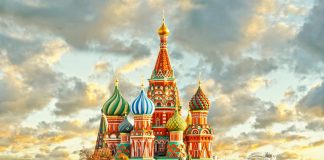
An American in Moscow: The story of a spiritual transformation
Andrew McChesney knew what he wanted—to be a famous journalist. He thought Moscow would be a good place to learn his craft and make a name for himself, which he did. But his years in Russia shaped his life in a much deeper way—it was there that he discovered God and found new meaning in life.

God’s silence
Renee James was 18 when she decided to stop praying. If God was going to be silent, she thought, she would be silent too. She had been praying for years for the healing of her brothers, Sean and Niall, one suffering from autism and the other from Down syndrome. Yet there had been no answer.

Divergence and confluence
My daughter recently posted on our family website a photo of our niece celebrating while holding a beautiful fresh rose, tall and slim, just like her. I looked at the photo for a long time then wrote under it: "Two vines." I pondered some more then wrote, "One of these vines knows why it is here on Earth, but I wonder if the...

Suffering and the meaning of life
I have always imagined that well-being, bright prospects, good health and a clear purpose in life tend not to inspire questions about the meaning of life very often.
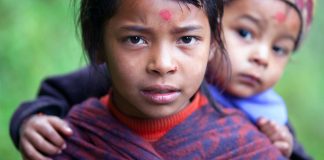
How to change the world
There are days, maybe even years, that go by without us seriously questioning the meaning of our lives or whether anything we have left behind has made anybody's life better. We are afraid of an answer because it might require us to change. For John Wood, the answer came out of nowhere, in a school in the wilds of Nepal.
My mechanism of resilience
When I was four years old, my younger brother was born. My parents focused on my brother and spent less time with me. It was only 40 years later that I discovered how this had affected me.