














The meaning you find on your way back
In Western tradition, starting with Thales of Miletus, philosophers have always sought answers to questions that transcend the material, tangible world. One of the most burning questions that has lasted for centuries and has troubled many enlightened minds is the dilemma of the meaning of life.

Rest and leisure: no one excuses distraction anymore
Nearly four millennia after the stone ratification of the law on weekly rest, the Universal Declaration of Human Rights (1948) reiterates the right of every person to rest and leisure.[1]

Life under the cross and death at the stake
For the chained man, there were now only two options: unreserved submission to the council or condemnation; recantation or death. Outside, the stake was already prepared.

Bible echoes through a broken stone
A black basalt stone found in the desert of Jordan has an inscription with the earliest known use of the name of Yahweh (one of the many names for the Old Testament God). It is one of many ancient items which confirm biblical history.

The lamb that was slain for me
"The fire and wood are here, but where is the lamb for the burnt offering?" (Genesis 22:7).

The forgotten sign
On May 19th, 1780, a strange phenomenon turned a sunny morning into an unexpected night. The event, known as the Dark Day, was seen as a sign of divine judgment by contemporaries and as a means of ridiculing apocalyptic expectations by sceptics.

Great expectations in friendship
How can we protect ourselves against expecting too much of our friendships? Can we do something to prepare for the disappointment? And what does one do to deal with it?

Zechariah: From disbelief to praise
When prayers go unanswered, faith can turn to disbelief and hope to scepticism. On the other hand, God can intervene at unexpected moments, providing unexpected answers, as happened in Zechariah's life.

How to enjoy closeness in your relationship with God
Could we have a quality Christian ministry without an authentic relationship with God? Anyone can pretend in the short term, but to truly succeed in the long term you need a devotional life full of passion and a continual closeness to Jesus Christ.

The search for meaning
In The Simpsons episode entitled “Homer the Heretic,” Homer Simpson has a conversation with God.

COVID-19: Which end is The End?
As the crisis caused by the new coronavirus deepened and spread, it was to be expected that the phenomenon would be framed in apocalyptic terms. It is something that tends to occur in such contexts.
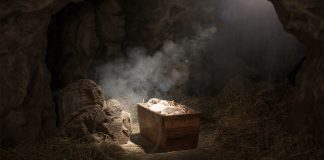
The manger, the sign of humility that elevates (us)
"This will be a sign to you: You will find a baby wrapped in cloths and lying in a manger" (Luke 2:12).

Christian education for children: How to teach your child to pray
For Christian parents, there is no greater concern than to provide their children with a Christian education. The first public demonstration of this concern is the blessing of children at young ages, in various ways: the baptism of children in traditional churches, or a simple prayer of blessing in Protestant churches. Dedicating their children to God, one way or another, gives parents a...

Shutters down all over Europe: life in the time of the new coronavirus
These days we all need to hear good news—that life will soon return to normal and that we will be able to return to the troubles of yesterday, which now seem small to us. In the meantime, our lifestyle has seen changes that we could not have imagined just a few weeks ago.

The hopeless generation
I talked to Pastor Nicu Butoi about the role that religion could play in treating depression and hopelessness, at the end of a series of evangelistic presentations he gave to a full-house before the pandemic.