









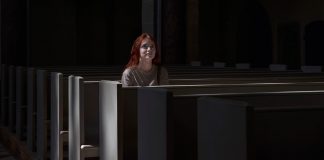
The church: from museum to hospital
The metaphor of the church as a hospital is so popular in the neo-Protestant milieu that it seems to highlight the hypocrisy of those attending church services even more. That’s what I used to believe until one day when I witnessed the opposite with my very own eyes.
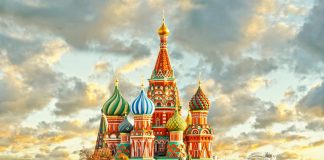
An American in Moscow: The story of a spiritual transformation
Andrew McChesney knew what he wanted—to be a famous journalist. He thought Moscow would be a good place to learn his craft and make a name for himself, which he did. But his years in Russia shaped his life in a much deeper way—it was there that he discovered God and found new meaning in life.

Trust in God and the great small step
Trust in God gives clarity to our thinking, so God asks us not to be obsessed with justice, but to be concerned with and delighted by grace.

Steps through the darkness: a testimony of saving faith
Sinking into darkness, after 14 years of enjoying all the spectacles of grace and beauty in which our world is enveloped, can be the beginning of tragedy. Or it can be the moment when you begin to discern, nuance by nuance, the splendour of a reality that healthy eyes so often miss.
Instant regrets, memory wipes & free will
Have you ever done something you immediately regret? Perhaps you’ve let your emotions get the better of you, lost control and said something particularly harsh to a friend in the heat of a moment—you wish you could take the words back the moment they left your lips.

What I wish I knew about God in my 20s | Reflections, testimonies, and suggestions
There is a poignant poem by the young Nicolae Labiș, a profound thinker and visionary who tragically passed away at the age of 21, that warns of the danger of wasting one’s life.
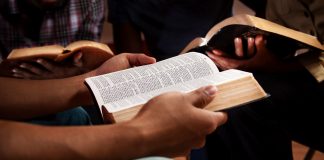
Circumstantial faith
As a believer—for present purposes, defined simply as one who believes—I have often wondered what and how I would believe differently had I been born into a family and culture with different beliefs. Obviously, I believe what I believe because I believe it to include truth, but would I have believed in this same truth if I had not been raised and taught...

Rest through faith—a form of countercultural resistance
"Hi, Alina! I hope you had a productive weekend" was the opening line of an email that, to me, encapsulated a whole misguided philosophy of life.

Chernobyl: The cost of lies
On April 26th 1986, reactor 4 at Chernobyl nuclear power plant in Ukraine exploded. The effects were catastrophic—it was the worst nuclear disaster in history. The explosion let out the equivalent of 500 Hiroshima bombs-worth of radiation, and the area around Chernobyl—including the town of Pripyat—is now uninhabited. It will be unsafe to live there for the next 20,000 years.
Aurelius Augustine
Aurelius Augustine (354-430) is known for the stirring Christian experience he described in his Confessions and for the seminal theological thought that has shaped theology to this day.

How would God want a person to live on any given day?
Living one day according to God's plan is a good idea to start with. But learning to live in such a way every day is something else.
The grace of having a vulnerable God
“All need Thee, even those who are unaware of their need—these most of all. He who hungers goes in search of bread and knows not that his hunger is for Thee; he who thirsts imagines that his longing is for water, but his thirst is for Thee; he who is sick believes he is seeking health by many means, and his sickness is ...
Forgiveness is not an emotion
It is hard to remain indifferent to a life story like that of Terri Roberts, the mother of a young man who, in a still-unexplained moment of madness, stormed into an all-girls Amish school and began shooting, killing five of the students before killing himself.

A mind at war in peacetime
When you discover that the only thing you have left is faith in God, you fervently wish that your faith doesn't end up poisoning your soul.

The luxury of knowing why
Nothing can prepare us in advance for the suffering we will experience in this life. But even knowing this, we often remember with guilt the moments of blissful ignorance we had before suffering hit us.