










COVID-19: Could giving up ever be the key to success?
Pray! If not to God, then to a god. Admit that we are defeated, because this is the first step towards victory.
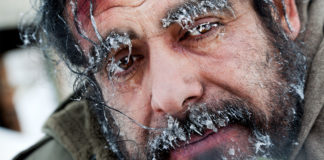
The darker side of our world
The world of the homeless is the darker side of our world. It is inhabited by vagrants, drug addicts, and the powerless. This world has its own rules, customs, pleasures, and pains, but lacks meaning and peace. And those who enter this world struggle to leave it.

Why do bad things happen to good people?
The question in the title is a protest which expresses a fair amount of suspicion towards God. It is a barely concealed condemnation of God and His actions, the strange rebellion of a world that sees itself as morally superior to God. People forget Scripture's words in the book of Job: Beware lest wrath entice you into scoffing (Job 36:18, RSV).

Christians do not understand unconditional forgiveness
Forgiveness is the central idea in Christianity that sets it apart from other religions.
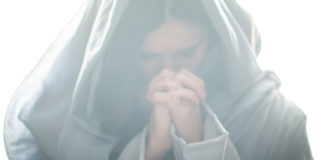
God also has a mother’s heart
Some Christians venerate the Virgin Mary, multiplying her attributes and exaggerating her qualities to the point of deification. Other Christians go to the opposite extreme and trivialise Mary's personality and contribution, barely recognising her basic qualities.
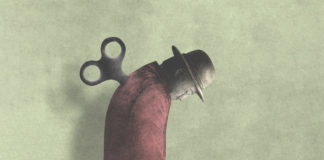
Forgiveness heals the one who forgives
Everyone thinks forgiveness is a lovely idea until he has something to forgive. – C.S. Lewis
Can I trust the Bible?
The Bible is not the product of an event or a circumstance, but of time, study and especially of the journey that humanity took on its way to its development. But could it be that all the time that has passed has also eroded its relevance? How much confidence can we still have in the Bible, in the 21st century?
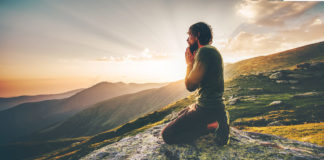
Strong prayers to the hidden God
No one has ever seen God, but the One who knew Him before He was born on this earth taught us all to address Him in prayer.