














The essence of Christmas
A magical Christmas, a magical evening, magical touch, magical love – people talk about magic when they experience special emotions that they cannot or would rather not explain. "Bring a little magic into your life". This is a saying that resonates extremely well with the expectations of an entire generation.

Ruth’s long road to love
From a devout upbringing in Peru to years of abuse, addiction and raising four children alone, life was anything but easy for Ruth. At her lowest, she discovered a God of love who gave her the strength to completely transform her life.

I will say it again: Rejoice!
Although we experience more positive than negative elements in life, we are still more intensely and more quickly affected by the unpleasant ones. How can we protect our joy of living despite the problems that beset us?

The portrait of Jesus (I): Jesus, the Saviour
Salvation is not a concept Christianity discovered. In a broad sense, salvation means rescue from any danger or adverse situation.

The second reason to forgive: the “Justice” you refuse to let die will not let you live
Following several surveys (1988, 1991, 2009), the Gallup organisation revealed both good news and bad news. The good news is that 94 percent of people believe forgiveness is very important. The bad news is that 85 percent admit they are not ready to do it on their own.

Why do bad things happen to good people?
The question in the title is a protest which expresses a fair amount of suspicion towards God. It is a barely concealed condemnation of God and His actions, the strange rebellion of a world that sees itself as morally superior to God. People forget Scripture's words in the book of Job: Beware lest wrath entice you into scoffing (Job 36:18, RSV).
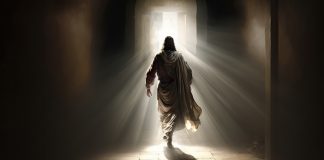
What did Jesus believe about the meaning of life?
Between 2008 and 2021, 379 people died in selfie-related accidents. Made habitual by consumerism and social media, this cult of self-promotion is part of a nefarious cycle of narcissistic stimulation and a powerful indicator of our longing for worth and, by extension, meaning.

Old Testament and New Testament | The unity of Scripture
The Bible has 66 books written by different authors over about 1,500 years. Is there a common theme, a leitmotif? If so, which is it? Is there an Old Testament God and a New Testament God?

The noble torment of forgiveness
We know that authentic forgiveness is Christian and desirable. And we also know it feels good to receive genuine forgiveness. But does God ask us to forgive under all circumstances? We often try to discover the answer to such uncomfortable questions about God by looking at those who say they know Him. And, sometimes, we have something to gain by doing so.

The opposite of love is not hatred (part 2)
Why couldn’t God simply have forgiven sinners? Precisely because sinners cannot be forgiven until they completely understand sin, with all its far reaching consequences, or before the wages of sin are paid.

The story of blessed Ayyub
During the time when the people of Israel were enslaved in Ta Kemet (the Black Land), and Prince Moses, the great scribe, had taken refuge among the northern Arabian tribe of Midian, a captivating story shared by the campfire caught his attention. It was the tale of another prince who, like him, had suddenly lost everything.

The Second Coming of Christ | Between curiosity and expectation
The Second Coming of Jesus Christ is a cardinal doctrine of the Bible. Daniel, Revelation, and the eschatological passages in the Gospels are the main sources of Christian eschatology. The theological world is divided into several schools of interpretation, and eschatology remains fascinating because of the uncertainty it generates.

“Teach us to pray!”
Many people know the Lord’s Prayer, having learned it from a parent or grandparent. But few know that it was given as a response to the disciples’ request for Jesus to teach them how to pray.

How does the calming prayer help us manage volcanic emotions?
“I live in a high and holy place, but also with the one who is contrite and lowly in spirit, to revive the spirit of the lowly and to revive the heart of the contrite" (Isaiah 57:15).

The grace of having a vulnerable God
“All need Thee, even those who are unaware of their need—these most of all. He who hungers goes in search of bread and knows not that his hunger is for Thee; he who thirsts imagines that his longing is for water, but his thirst is for Thee; he who is sick believes he is seeking health by many means, and his sickness is ...