






The great astonishment
I was talking to the man I call Professor and I asked him, "I know you had reservations about getting baptised. Why did you decide to do it anyway? What was the deciding factor?"
Vaccine against death
What would you do if someone denigrated you in public? You could deny the information, but there is no guarantee that you will be able to rehabilitate your image. If you leave things as they are, there is a risk that silence will be interpreted as guilt. If you go to court, the process might take a long time and it may not...
The miracle of the ordinary | Rediscovering transcendence in simplicity
In our desperate search for miraculous answers or confirmations, we often forget that the most profound miracles are hidden in the seemingly mundane details of our lives.
The splendour of existence
"From one man he made all the nations, that they should inhabit the whole earth; and he marked out their appointed times in history and the boundaries of their lands. God did this so that they would seek him and perhaps reach out for him and find him, though he is not far from any one of us" (Acts 17:26-27).
“God is dead”. Any objections?
The tendency toward the total privatization of religious life is particularly strong today, especially in the new generation.
The church: from museum to hospital
The metaphor of the church as a hospital is so popular in the neo-Protestant milieu that it seems to highlight the hypocrisy of those attending church services even more. That’s what I used to believe until one day when I witnessed the opposite with my very own eyes.
COVID-19: Crisis prayer
A major crisis pushes us to re-evaluate the way we see and do things in the fields of health, finance, and social interaction. But how does this crisis affect our religious practices—especially the most common of these, prayer?

The crossless Cross
The mention of the city of Rio de Janeiro evokes images of the traditional carnival or the vast, exotic beaches such as Ipanema and Leblon. But most often we think of the huge monumental statue representing Christ the Redeemer (Cristo Redentor) with wide, open arms, looking down towards humanity from the top of Mount Corcovado (700m).
COVID-19: A world beyond all human tragedies
Should we be optimistic or pessimistic about our future? This is a question even specialists are concerned with, and it cannot be answered easily. It is difficult to predict what the future holds.
In the same boat as the murderer
Decade after decade, Darold and Barbara Bigger have built their lives with honor, discipline, and devotion.
The counterfeit motif in the apocalyptic scenario
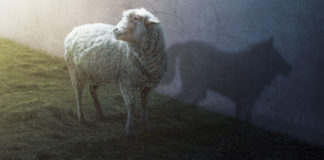
There is a lot of talk today about the fact that things are not what they seem. It is not easy to distinguish between conspiratorially motivated speculation, and the real hidden things of our world—but most of the time the sources make the difference.

Practising faith
When I was at high school, I played basketball a lot—most days at school, then team training sessions and often two or three games each week. At university, I played on the best team I have been part of. We trained and competed regularly over two years, and twice won our league championship.
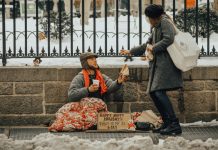
An encounter with kindness
Sartre may have been right when he said Hell is other people. Yet, for some, their first step toward Heaven is meeting the God who shelters in someone else's soul.


The portrait of Jesus (I): Jesus, the Saviour
Salvation is not a concept Christianity discovered. In a broad sense, salvation means rescue from any danger or adverse situation.