














Reviving compassion | What not to say to someone who is suffering
Although grief is a universal experience, we respond differently to its onslaught, so it's no wonder that words meant to comfort often add more suffering to an already heavy burden.

How much are we worth as humans?
Every day is an opportunity to ask ourselves how it is that human life has such little value in the eyes of some of our contemporaries—those contemporaries living in freedom and democracy (on paper, at least), who are educated and socialised within the same civilization as we are, often even in the same community, or under similar civil laws and generally having the...

What is the use of general knowledge?
"No man can be called friendless who has God and the companionship of good books." (Elizabeth Barrett Browning, British poet)

The need for clarity
More than ten years ago, I received a book for my birthday. The message inside the gift said: The Bible is the Lord's love letter to humankind. I give you this book with the hope that the reply mankind gave to God will also nourish your soul. Happy birthday! And, indeed, so it was.

COVID-19: Defending ourselves against fake news and panic
The fight against the new coronavirus is accompanied by several parallel fights, including the fight against fear, which can turn into panic—one of the most dangerous social phenomena.

What kind of children do our words shape?
"The way we talk to our children becomes their inner voice" (Peggy O'Mara).

The end of a matter is better than its beginning
Most of us have been urged since we were little to not give up, to carry on, and to “go our own way”. The idea that giving up is a negative choice, a synonym for failure, or a sign of cowardice or inability, is deeply embedded in our minds.

Old wine vs fake wine: how to distinguish the authentic religious message in today’s media polyphony
One can see today a growing concern among people who seek spirituality for relief, solutions and healing, both individually and collectively. It is an interest that arouses optimism about the role and impact that the Christian message can have on society, but also a concern for an accurate transmission of the biblical message.

Our resilience and the need to be “like little children”
Every day, we are surrounded by the resilience of developing characters and it’s almost impossible not to be touched by their beauty and fragility.

How to manage “good debt” and “bad debt”
Almost half of Romanians are in debt, while 39% say that they don’t pay their debt on time, and 29% never create a budget. These figures, based on the most recent national studies, reflect Romanians’ values and financial literacy, but they can also represent the starting point of a conversation about "good debt" and "bad debt."

The father of modern education
“In the works of Comenius one feels that a prophet is speaking; he was indeed a colossal figure, but only in recent years have his ideas received the respect they merit”.

Book review: Juice
In my humble but literary-educated opinion, Tim Winton is Australia’s finest living novelist. Since winning publication of his first novel in a competition for young writers in 1981, he has had 10 more novels published, as well as collections of stories, plays, books for younger readers and a handful of non-fiction works. Winton has won Australia’s top literary prize—the Miles Franklin Award—on four...

How to cherish the obstacles in your life
“What doesn’t kill you makes you stronger,” said Nietzsche in one of his essays back in 1889. Easier said than done when you’re facing unemployment, illness, rejection, or a blank exam paper. We tend to see these as things we need to get rid of. This can’t possibly be the life we wanted.
Divorced from reality: Why the need to know often does more harm than good
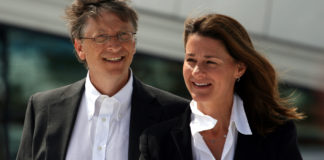
After 27 years of marriage, billionaire couple Bill and Melinda Gates publicly announced their divorce in May, sending shockwaves across the globe.

How to strengthen your willpower to make the best decisions
To have willpower does not mean saying you want to do something, it means to actually be doing it—André Maurois