









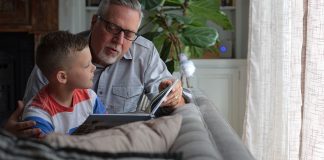
Is disciplining children the responsibility of grandparents too?
“When grandparents enter the door, discipline flies out the window,” poet Ogden Nash once said, encapsulating one of the most common sources of intergenerational conflict—the role grandparents play in the upbringing of their grandchildren.
Never enough likes
The American Economic Review recently published the results of the largest randomized study ever conducted to measure the impact on the quality of life that deactivation ones Facebook account might have.
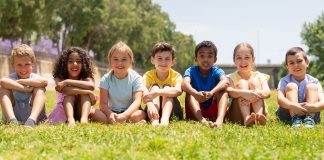
Raising contented children
Kayley lies on the floor, throwing a tantrum because she only has pink flashing-heel shoes and she wants a blue pair to match her new jeans. John sits on the floor, happily playing with a few blocks of wood. His dad found them lying in the street, brought them home and sanded them smooth. Yesterday he stacked them up to build a castle....
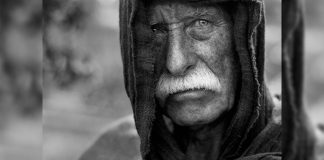
Sometimes God is hungry
There are people who love animals; we see them often, offering scraps of food to stray dogs or pigeons in public squares and parks, gazing at them affectionately, touching them, speaking to them tenderly. Rarely, however, does any of that reserve of sympathy find its way into the silence, indifference, or reproach with which people respond to a request for help from someone...
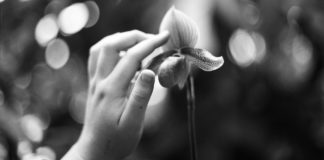
Defined by sensitivity: Helping orchid children flourish
In a society that does not place great value on sensitivity, raising orchid children—children who are hypersensitive to environmental conditions—can be an overwhelming experience for parents. At least, until they realize the vital role they can play in unleashing the extraordinary potential that such children have.

I am what you have taught me to be
The perspectives we acquire as children about ourselves as individuals, about the world, and even about God, become beliefs that filter and guide the choices we make as adults. Some of these beliefs are helpful. Others are not. In fact, many of the obstacles we encounter in adult life are caused by these filters.

Any mountain can be climbed
There is nothing we can do. Thousands of dreams ended with this short sentence. In the face of too great an obstacle or tragedy, giving up seems the only option left. But there are some people who love what they do so much that nothing stops them from adding an unless. This word breeds the courage and creativity in finding solutions, and then...

We are not creators, but inspirers and witnesses
It is not we who educate our children, they educate themselves. Unique, complete, amazing. Every child and every childhood is a challenge to discover and respect their individuality. Let's enjoy the revelations they give us and grow ourselves by observing and facilitating their growth.
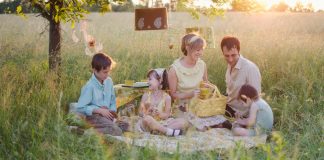
The slow-paced family
Women work an average of 68 hours per week, while men work 55 hours—a total that includes both professional commitments and household responsibilities. This was the conclusion of a 2007 study conducted by sociologists at the University of Cambridge across European Union countries.

COVID-19: Helping children (and others) with viral anxiety
Even in difficult times there are many things we can do at home to help children as well as teenagers to feel less worried.
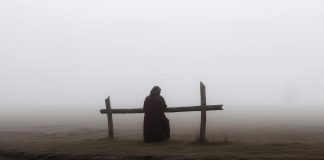
The mad monk and the case for good theology
The Oxford Online Dictionary describes theology as “the study of the nature of God and religious belief”. That’s a helpful understanding, but let’s begin with some seriously bad theology as practised by the Russian mystic and faith healer Grigori Yefimovich Rasputin.

Why we think things are worse than they are
In the age of the internet and the “global village,” an irrational fear taking hold in a small American town can easily go viral, reaching and affecting us all. Once online, news—whether true or false—can have a corrosive effect, leading us to feel cynical about the future and to hold low expectations for our leaders.

COVID-19: How does anxiety affect us?
A global crisis situation, such as that generated by the current pandemic, is a complex picture with many variables bringing high levels of emotional distress. During a pandemic, many people will face a wide range of reactions and emotions, and the psychological impact will often be greater than the medical one.

Democratising knowledge: the role of digital learning and the need for offline educators
Let’s begin by extrapolating Paul’s assertion: “...but test them all; hold on to what is good” (1 Thessalonians 5:21).

The big impact of small acts of kindness
An unexpected act of kindness can change a day—whether you are on the receiving end or the one who initiates it. And that change can echo far beyond a single day, because when measured by their effects, acts of kindness are never truly small, despite the language we use to describe them.