











The opposite of love is not hatred (part 1)
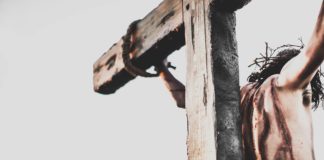
For centuries, the sacrifice of God the Son and the divine plan for man’s salvation have generated several dilemmas and raised more questions than we could imagine. And the answers that have been found have revealed more implications of the cross than we used to believe, whether we are Christians or non-Christians, believers or skeptics.
A brief history of the freedom of speech
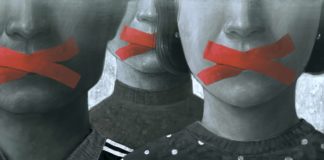
“If you say to me, 'Socrates... you shall be let off, but upon one condition, that you are not to enquire and speculate in this way any more, and that if you are caught doing so again you shall die'; if this was the condition on which you let me go, I should reply: 'Men of Athens, I honour and love you; but...

Shame and its traps
I must admit, I was a shy child. Shame is a lesson well learned. However, I don’t know if it is always correctly learned.

The Good Place: great questions, medium answers
In the opening scene of The Good Place, celestial being Michael (Ted Danson) explains that most world religions and philosophies get their respective understandings of the afterlife only about five per cent right.

God’s providence in times of crisis
Regardless of the form they take, crises give rise to legitimate questions about God's providence: Where is God when we suffer? Has He forgotten us? Is He punishing us? Does He still have things under control?

Everything relevant to know about the irrelevant conclusion
What we call an “irrelevant conclusion” is an argument that gives the impression of having something to do with an idea it aims to support, but which actually shifts attention to something else.
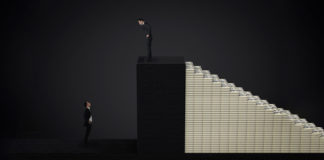
No one deserves to have that much money
In a dilapidated shack in Nairobi, a young woman makes her confession to the BBC reporter eager to hear her story: “I don’t know why God allows some people to be poor while others are rich.”
“The Case for Jesus: The Biblical and Historical Evidence for Christ” | Book review
"The Case for Jesus: The Biblical and Historical Evidence for Christ" challenges both the atheist and the agnostic, as well as the convinced or full-of-questions Christian, to look at the person of Jesus of Nazareth in a new light.
The miracle of the ordinary | Rediscovering transcendence in simplicity
In our desperate search for miraculous answers or confirmations, we often forget that the most profound miracles are hidden in the seemingly mundane details of our lives.

Post-atheism and the relativisation of relativism
The end of the last century created the perfect context for postmodernism to exercise its veto over all the ethical dilemmas of the day. As a result, today, as in vitro fertilisation, abortion, euthanasia or homosexual marriage enter the legislative agendas of more and more countries, we see political correctness taking precedence over religious morality.

How to deal with daily pressure and overcome stress
Stress and anxiety are some of the most commonly used words today; we all have felt at least once in our lives what they mean and what effects they have. Are there any truly effective ways to overcome stress and anxiety?

The fight against Alzheimer’s: a fight for the moment
"It isn't the man I married. It isn't the man I knew." This is how Sabina Shalom, whose husband was diagnosed with Alzheimer's disease, begins her confession. The woman, who has reached a respectable age, says that it all started with some serious quarrels between her and her husband: "Papers were lost, bills were not getting paid."
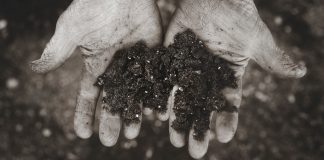
You are a Dirt Creature
Humans have been telling stories ever since the dawn of civilisation. What stories do we tell about ourselves and how do they affect our identity?
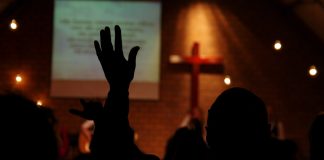
The rush for speaking in tongues
“The newest religious sect has started in Los Angeles. Meetings are held in a tumble-down shack on Azusa Street...and the devotees of the weird doctrine... work themselves into a state of mad excitement...They claim to have the ‘gift of tongues’ and to be able to understand the babel”.
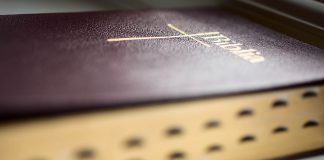
The immortal Bible
"Scripture" is a Latin word that means "writings", while "Bible" is a neutral Greek plural meaning "books" (from biblíon = book, document, scroll). Today, however, in all languages, the word "Bible" is understood as a feminine singular, meaning Holy Scripture.