












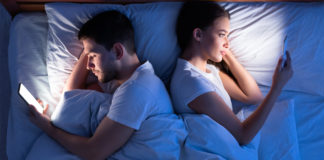
Why do phones make us tired and ruin our mood?
The phenomenon of technoference (that is, the daily disturbance people experience due to the use of mobile phones) is becoming more and more prevalent, and researchers at the University of Technology in Queensland warn that as we become more dependent on these devices, we become more tired, more unproductive and unwell.

COVID-19: Which end is The End?
As the crisis caused by the new coronavirus deepened and spread, it was to be expected that the phenomenon would be framed in apocalyptic terms. It is something that tends to occur in such contexts.
We need water
The question of the origin and justification of the recommendation to drink at least eight glasses of water a day was first seriously examined in a scientific publication by Heinz Valtin.

All juiced up
I have a mentor friend at the gym who I catch up with every now and again between sets. He’s one of those massive dudes who everyone in the gym knows—his walk from the locker to the dumbbell rack consists of greeting and fist-bumping pretty much every guy on the way.

How to sleep well in the age of anxiety
Sleep is perhaps the most important, complicated, and misunderstood physiological mechanism that keeps us alive.

Between 6 and 10 years of extra life make a difference
Over the past few years, several major media outlets have been talking about the increased longevity of Adventists compared to the populations they live among (CNN, BBC, DW, NBC, CBS, ABC, CBN, National Geographic, Time, Los Angeles Times, Huffington Post, The Atlantic, etc.).
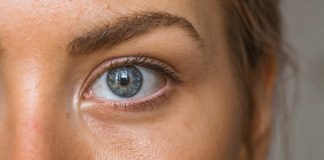
The light of the eyes and mind
In Mexico, diabetic retinopathy is a significant challenge. Professor Pedro Gomez is the director of the Ophthalmology Institute of the University Hospital of Montemorelos in Mexico, renowned for the highest number of eye surgeries in Latin America.

Hope in the storm
This coronavirus crisis has, for me, some perplexing parallels with a well-known incident narrated in the Gospel of Matthew (14:22-33). The disciples are confined in a little boat in the middle of a terrible storm, almost as we are confined at home today by the emergency laws of our countries.

COVID-19: What people on the front line think and feel
While most of us have been staying inside for several weeks, many leave the safety of their homes every day to help us live our lives as normally as possible.

COVID-19: How does anxiety affect us?
A global crisis situation, such as that generated by the current pandemic, is a complex picture with many variables bringing high levels of emotional distress. During a pandemic, many people will face a wide range of reactions and emotions, and the psychological impact will often be greater than the medical one.

Food allergies
Millions of people live with food allergies. Chances are, you are either one of them or know someone who is. According to the Centers for Disease Control and Prevention, food allergies affect 4–6% of children and about 4% of adults (Cosme-Blanco, Arroyo-Flores, and Ale, 2020).
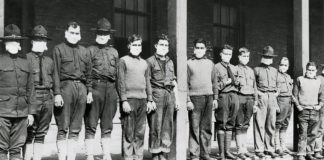
Spanish flu to COVID-19: Lessons from a forgotten pandemic
The Spanish flu filled graves in almost every cemetery in the world. However, surprisingly, this tragedy had largely been forgotten until recently. A century later, the issue returned to the centre of attention, with specialists wondering if they can identify a pattern in the evolution of the COVID-19 health crisis based on the pandemic from a century ago.

What should we eat? | A comparison between three types of diets
In Romania, they say that everyone is an expert in football and politics. But I believe it is more appropriate to say that everyone is an expert in food—or so they think. Except for a small minority, most of us have quite strong opinions about what we eat.

How to manage parent-child conflicts during the pandemic
One can hardly overestimate the role the relationship between a parent and their child plays in forming a matrix for the child’s future relationships, whether healthy or dysfunctional. The quality of the parent-child relationship is essential because it directly impacts the child’s social and emotional development, and its quality influences the child's ability to deal with future conflict.

COVID-19 after vaccination: How much does vaccination protect us?
Why can vaccinated people still get COVID-19 or even die from the disease?