













COVID-19: Seeds of goodness in the midst of the pandemic
In recent weeks, we have all experienced a state of unrest. Our eyes have been on the rising numbers of COVID-19 infections, as we try to comply with the restrictions imposed by the state of emergency. But we have also had bright moments, moments we might not have anticipated just a short time ago.

COVID-19 and religious freedom
Because the pandemic and the various restrictions that come with it have been prolonged, some Christians have begun to feel that some of these restrictions violate their religious freedom, or freedom in general, which could turn into a restriction of the exercise of the religious act at some point. Are the health policies that are meant to stop the spread of COVID-19 in...

COVID-19 vaccines safety: Does it take decades to get the answer?
Do we need to wait for the results of longitudinal scientific studies, extending to decades, to know if vaccines are safe?

Generation ”couch potatoes”
What you're doing, right now, at this very moment, is killing you. More than cars or the Internet or even that little mobile device we keep talking about, the technology you're using the most almost every day is this: your tush. Nowadays people are sitting 9.3 hours a day, which is more than we're sleeping, at 7.7 hours. Sitting is so incredibly prevalent,...
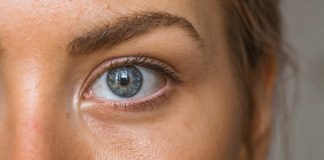
The light of the eyes and mind
In Mexico, diabetic retinopathy is a significant challenge. Professor Pedro Gomez is the director of the Ophthalmology Institute of the University Hospital of Montemorelos in Mexico, renowned for the highest number of eye surgeries in Latin America.
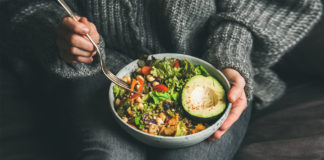
A single stomach—and plenty of reasons not to stuff it
What would it be like to eat 8,6 kilograms of food in a single meal? Although it seems absurd to try and fit so much food into one’s stomach, a 23-year old model from London conducted just such an experiment in 1981.

Things to avoid in order to have a strong mind
Psychologists recommend all sorts of things you need to do or have in order to nurture a healthy and strong mind, such as tenacity, ambition or optimism, but there are also some things you should avoid for the same purpose.

COVID-19: How do you recognise a conspiracy theory in a pandemic?
The Colorado beetle that threatened the potato crop of the former GDR in 1950 might have been an American method of sabotage against the Eastern bloc. A sinister German plot might have been the cause of the Spanish flu. Perhaps AIDS emerged as a biological weapon developed by the United States and has been tested on prisoners and minorities. Every crisis humanity has...

#SELFCARE for Christians
The concept of self care—defined as the entirety of ways in which a person understands how to solve their emotional problems and manage their anxieties—has become a real movement in the past two years with an entire industry ready to make our lives easier and more comfortable. For Christians, however, this trend has proven to be quite problematic: making our lives easier is...

The solution to addiction doesn’t come from within
How should addictions be understood? Addiction is usually regarded as a failure of the will, or as a sickness. Lately, the tendency is for the younger, educated generation to embrace the second answer. The idea that addiction is a failure of the will, a sin, from a Christian perspective, is seen as outdated.
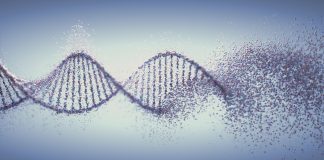
Genetic inheritance cannot be altered. True or false?
Grandpa’s eyes, mother’s wide hips, aunt’s serene gaze, father’s ambition, great-grandmother’s rheumatism—all the little traits that define us seem to come from ancestral parents who, together, should have all the genes that anyone can have today, all the possible ingredients for the recipe from which we were made.

Vitamins, explained from A to K
We all know that vitamins are good for us. Many of us take supplements to boost the supply of vitamins in our bodies. However, it wasn’t until 1912 that Polish biochemist Casimir Funk actually came up with the concept of vitamins, which he called "vital amines."

The dangers of excessive sleep
Numerous studies have shown the negative effects of sleep deprivation. However, the problem of excessive sleep is also something to be wary of.

COVID-19: Those who “would have died anyway”. How much is a human life worth?
Discussions about the reasonable number of deaths in a pandemic, about whether or not the price for saving people is killing the economy and, ultimately, debates on a life’s value were brought to the fore by the COVID-19 pandemic.

Under the shadow of the pandemic: was 2020 really the worst year in history?
Peering through the dust settling from the chaos of last year, we are trying to see into the unknown of the coming year, hoping for the best. Irrespective of what our hopes for 2020 were, our expectations for 2021 seem to centre on things going back to normal.