








COVID-19: The new mirror in which we look at our parents
How can we encourage the elderly during this time? How can we help them understand that we don't want to lose them and that, although it's hard for them, we didn't abandon them. I have an elderly mother and, honestly, it would help me a lot. Can you write for me?

Bittersweet
In terms of their effect on health, there is no difference between white and brown sugar. Sugar substitutes should not be consumed indiscriminately either.

Menstruation, a taboo still difficult to break even in 2021
Lack of access to menstrual hygiene is the fifth leading cause of death worldwide among women. In the world, 1 in 3 girls faces the impossibility of ensuring adequate hygiene during menstruation, and many others face sometimes fatal arbitrary limitations imposed by culture.

Why do phones make us tired and ruin our mood?
The phenomenon of technoference (that is, the daily disturbance people experience due to the use of mobile phones) is becoming more and more prevalent, and researchers at the University of Technology in Queensland warn that as we become more dependent on these devices, we become more tired, more unproductive and unwell.
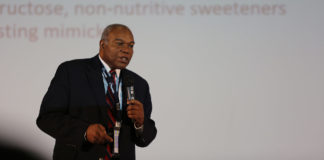
“Don’t you have a lifestyle pill?” An interview with Dr Zeno L. Charles-Marcel
Dr Zeno L. Charles-Marcel is an associate director in the Department of Health for the General Conference of the Seventh-day Adventist Church.

COVID-19 after vaccination: How much does vaccination protect us?
Why can vaccinated people still get COVID-19 or even die from the disease?

COVID-19: Social distancing and the new ways to love amidst the pandemic
The epidemiologist Marc Lipsitch thinks that social distancing will have to continue, in one way or another, hopefully in milder forms and in correlation with other activities. Lipsitch is the author of a study suggesting that social distancing may be necessary, possibly intermittently, until 2022.
Love in the Time of COVID-19
As we know all too well, life can be hard. Even in the best of times, life can be hard. But now this, a pandemic? How are we to cope?
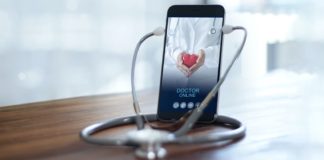
Telemedicine. How to get the most out of it
While an increasing number of family physicians and private health networks offer online consultations, it's helpful to better understand telemedicine, the opportunities it creates and its limitations.

A sharp mind at the age of 100
Growing old is inevitable, but experiencing a significant cognitive decline isn’t. An encouraging piece of news uncovered by several studies that focus on people in their old age suggests that changing one’s lifestyle could increase the chances of having a sharp mind up until the age of 100.

COVID-19 prevention series: An introduction
“A healthy lifestyle has been an important part of the beliefs of the Adventist Church since its early years and remains so. We are still committed to live, share, and promote healthy living as expressed by the holistic Adventist health message entrusted to the Church. The Adventist health studies have confirmed the unequivocal benefits of increased longevity and quality of life through implementing...

Vegetarian essentials
We all know that what we put into our bodies can have a direct impact on our health. It’s the reason we’re so frequently bombarded by different diet options, all promising in one form or another to help us “lose weight,” “feel fresh and energetic” or even to “cure autism and reverse chronic fatigue.” Fad diets aside, dietitians, nutritionists and healthcare professionals mostly...

Memory training: The allies we have in the fight against forgetfulness
Memory training is often the only difference between people with impressive memorization skills and those with average memory, researchers suggest. However, the long-term results intersect with a healthy life and learning style.
What could console our terrible fear of death?
Along with the rising death toll due to coronavirus complications, a usually latent aspect of our fear becomes harder to ignore. Despite the fact that it is the only certainty we all share, realising that our own end is a reality we might need to confront sooner than we had thought leaves many of us fervently searching for consolation.

COVID-19: How to stay efficient at work when your kids are near
How can one be efficient with your tasks when you no longer have an office of your own? How can one divide themselves between children, household chores and deadlines? How can one excel in their job without losing their mind or at least their patience? These are questions I had to face during the pandemic, even if working from home, around children, is...