











For decades, fats have been considered unhealthy and have been associated with an increased risk of cardiovascular disease. However, recent research has revealed a more nuanced picture.
Myth: Fats are bad for your health.
In fact, some fats can be beneficial, helping to reduce “bad cholesterol” (LDL) and increase “good cholesterol” (HDL) levels, as well as fighting inflammation in the body. Therefore, rather than labelling all fats as “harmful”, it is important to understand the different types of fats and their quality before consuming them.
In the 1960s, amid a rise in cardiovascular disease in Western countries, researchers began analysing the role of sugar and fats in this trend. In the 1970s, however, fats became the main “culprit”. Over the next few decades, the US government invested heavily in awareness campaigns against fat consumption. This culminated in the introduction of the food pyramid in 1992, which recommended minimal fat consumption and a high intake of grains. This was followed by a surge in “fat-free” foods and a decline in the popularity of healthy foods such as olive oil and avocados. The consequences were an increase in obesity and sugar consumption, as well as a higher incidence of cardiovascular disease.
Therefore, the elimination of fats contributed to exacerbating the health problems it was trying to solve. The fundamental error was the perception that all fats are dangerous when, in fact, many are essential for satiety and taste. In their absence, products were “enriched” with sugar and salt to compensate, which negatively affected public health.
Sources and effects of harmful fats
Cardiovascular disease, which encompasses various conditions, is the leading cause of death worldwide, accounting for 17.3 million fatalities each year (Sacks, Lichtenstein et al., 2017). Studies indicate a correlation between saturated fats and an increased risk of heart disease. These fats are found in significant amounts in red meat, full-fat dairy products such as butter and cheese, and in oils such as palm oil and coconut oil. Many processed foods, such as biscuits and cakes, also contain saturated fats, often due to the presence of these oils. Saturated fats in processed meat (e.g. ham, pâtés, and cold cuts) are among the most harmful, as these foods are also linked to colon cancer (Chan, Lau et al., 2011).
Sources and effects of beneficial fats
Reducing the amount of saturated fats in our diet is not enough. What we replace it with matters more. Scientific evidence shows that replacing saturated fats with polyunsaturated fats can reduce the risk of cardiovascular disease by about 30%—a level of effectiveness comparable to statin treatments (cholesterol medications) (Hooper, Martin et al., 2020). Other studies confirm that a diet low in saturated fats but rich in monounsaturated and polyunsaturated fats reduces the incidence of cardiovascular disease (Li, Hruby et al., 2015).
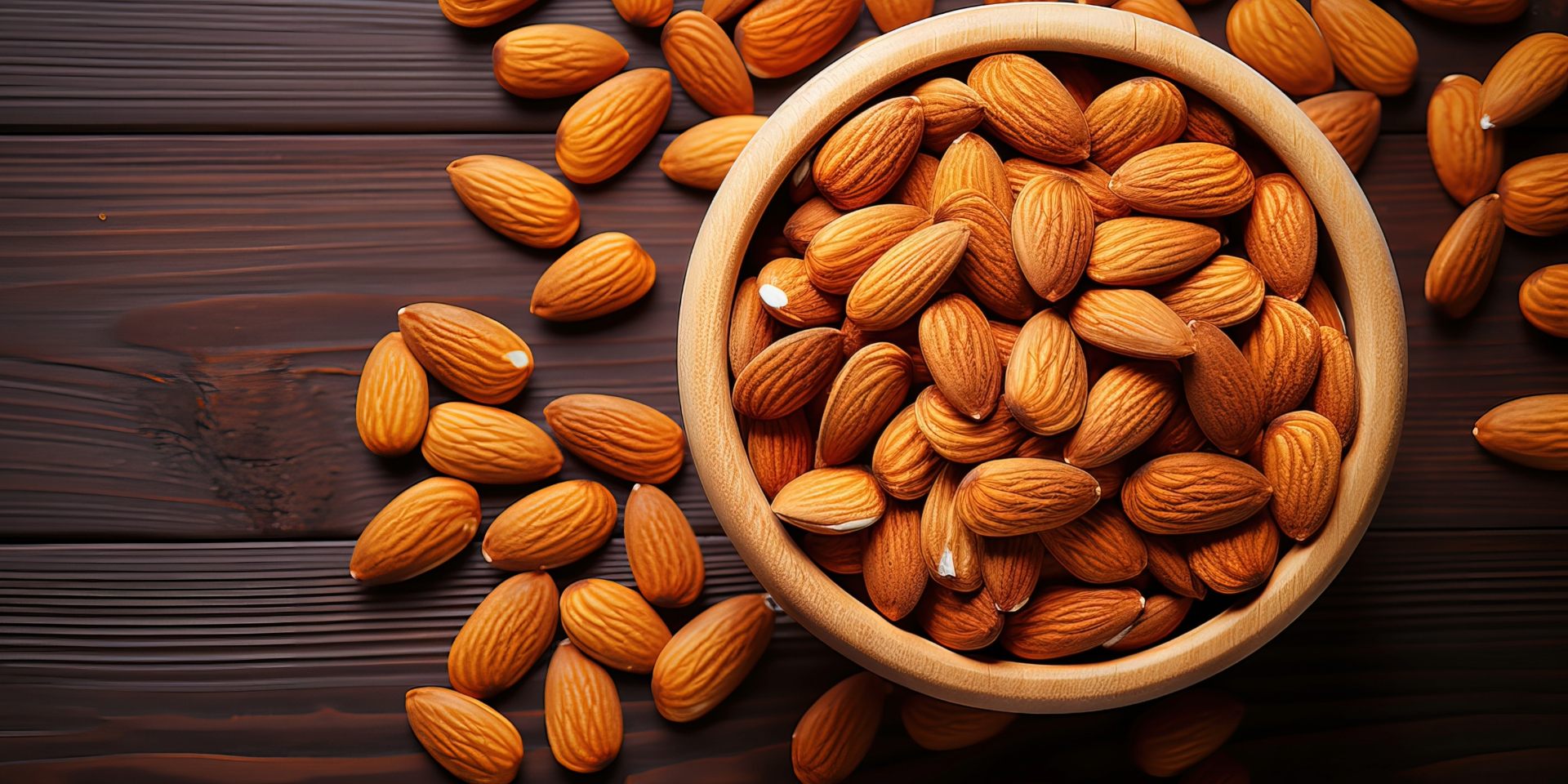
Sources of beneficial fats include plant foods such as avocados, walnuts, almonds, peanuts, and vegetable oils like olive or flaxseed oil, as well as fatty fish rich in omega-3 like salmon, tuna, and mackerel. These positive effects are achieved by reducing saturated fats intake and replacing it with unsaturated fats as part of a balanced diet, such as the DASH diet (dietary approaches to stop hypertension, focused on controlling high blood pressure) or the Mediterranean diet. In contrast, replacing saturated fats with refined carbohydrates does not offer the same health benefits (Jakobsen, O’Reilly et al., 2009).
In conclusion, contrary to popular belief, not all fats are bad for heart health. Rather than eliminating fats altogether, we should focus on replacing unhealthy fats with healthy ones as part of a balanced diet rich in fruits, vegetables, and whole grains. This approach is supported by rigorous clinical and observational studies and can contribute significantly to the global prevention of cardiovascular disease.
Bibliography
- S. Chan, R. Lau et al. (2011), “Red and processed meat and colorectal cancer incidence: Meta-analysis of prospective studies”, PLoS ONE, Vol. 6, No. 6, Art. No. e20456.
- Hooper, N. Martin et al. (2020), “Reduction in saturated fat intake for cardiovascular disease”, in The Cochrane Database of Systematic Reviews, Vol. 5, Art. No. 5, art. no. CD011737.
- U. Jakobsen, E. J. O’Reilly, et al. (2009), “Major types of dietary fat and risk of coronary heart disease: A pooled analysis of 11 cohort studies”, The American Journal of Clinical Nutrition, Vol. 89, No. 5, pp. 1425–1432.
- Li, Y., Hruby, A., et al. (2015), “Saturated fats compared with unsaturated fats and sources of carbohydrates in relation to risk of coronary heart disease: A prospective cohort study”, Journal of the American College of Cardiology, Vol. 66, No. 14, pp. 1538–1548.
- M. Sacks, A. H. Lichtenstein et al. (2017), “Dietary fats and cardiovascular disease: A presidential advisory from the American Heart Association”, Circulation, Vol. 136, No. 3, pp. e1–e23.