














Staring loss in the eye | Lessons from life’s disasters
In the aftermath of Hurricane Harvey, Max Lucado wrote an article summarising the spiritual lessons we can learn from an event that the news described as a "once in a thousand year flood".

Into the wilderness with God
This year marks the 58th anniversary of Time magazine's controversial cover question: Is God Dead?

Love in action: Corrie and Betsie ten Boom
Many times we don’t have the patience to wait for an answer to our prayers, and other times we don’t even know when we've received it. For the ten Boom family, the answer to some prayers came 100 years later.

Can God be removed from history?
“Is God dead?” was the question on the cover of Time magazine on April 8, 1966. Three-and-a-half years later (December 26, 1969), the publication changed that to: “Is God coming back to life?”

The God of love, the God of justice
Centuries ago, the German theologian and philosopher Gottfried Wilhelm Leibniz used the term “theodicy”1 for the first time—“God’s justification”. By theodicy, Leibniz meant the ultimate reality of justification, once and for all, of God and all of His ways before the whole universe.

Together to the end of the road
The journey "through the valley of the shadow of death" has never been easy. However, it has become increasingly lonely as our unfamiliarity with death has made us awkward and reserved when interacting with the dying.

Return to meaning
"To feel that you have meaning is to feel immortal," psychology professor and author Clay Routledge wrote in 2014. Is this the only kind of immortality we will ever have?

Twenty years ago, on salvation
When I was 20, my spiritual life felt like an exam where I had been given a topic I hadn’t prepared for.

Returning to the blessing of the small things
Rediscovering the blessing that resides in the little things of life has been one of the challenges of every season I've lived through. This is the conclusion I always come to when I take a moment to reflect.

Parents of prodigal sons
Few things can pierce a parent’s heart as painfully as their children’s decision to walk away from God. Pain, guilt, shame and the feeling of failure are the crushing burdens which parents of prodigal sons carry, while still wavering between hope and discouragement.
What do Jesus’ miracles mean?
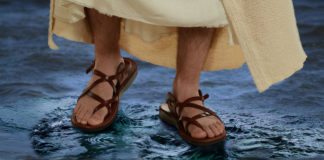
It’s hard to read the description of Jesus’ life in the Gospels and not wonder what the many supernatural healings and other miracles performed by Him mean for us today.

Moesha Johnson’s Olympic miracle
In the choppy waters of Port Doha, Qatar, things weren’t looking good. Moesha was midway through a 10-kilometre open water race in the World Championships. This was her chance to qualify for the Olympics. But she was trailing behind a pack of thirty girls and had been for much of the race.

He believes and what he believes comes into being
Very few people have ever found rest in what they are and what they do. They are always seeking what they do not have and trying to become what they are not. These people talk about transformation, development and fulfilment but no matter their accomplishments or status, they are always thinking that they need to surpass their present state, that there is something...

Knowledge sharing in Christian communities
Whether we are cooking, repairing things, or solving life's problems, we are always learning from each other. However, when it comes to certain areas, including church life, the interchange of experiences is lacking. Communities often keep their ideas, and especially their mistakes, to themselves. Can we rediscover the deeply biblical nature of knowledge sharing?

Faith that sees the miracle
I spent the end of high school in the Scandinavian school system. There, the teenager is confronted with the great questions of mankind in the context of social disciplines