










Lou, the woman with no regrets left
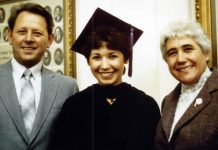
Any sacrifice is hard to understand from the outside. But it's even harder to understand how sacrifice can be a choice that brings joy to the person making it. The easiest people to include in this category are, of course, mothers. For them, the sacrifices never seem too many or too hard. Even more amazing are those mothers who raise other people's unwanted...
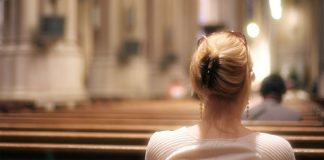
So you’re church-shopping…
Have you ever seen the early morning worship programs on television? The packed congregations, the huge church venues, the smooth-talking evangelist who delivers the perfect sermon . . . Church seems to be where the action is. That there are so many new mega-churches popping up all over the world suggests that a lot of people are desperate for spiritual guidance and fellowship....
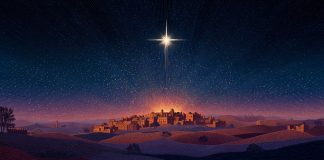
My journey to Bethlehem
They say that "all roads lead to Rome". This famous saying originated in ancient times with the extensive network of roads built by the Romans to facilitate communication and travel throughout their empire.

A mind at war in peacetime
When you discover that the only thing you have left is faith in God, you fervently wish that your faith doesn't end up poisoning your soul.
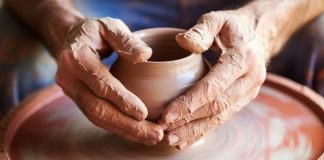
What is the purpose for which God created us?
Life is a fascinating mystery and a constant challenge. Yet, often, we are not content with merely experiencing life as it is.

Chernobyl: The cost of lies
On April 26th 1986, reactor 4 at Chernobyl nuclear power plant in Ukraine exploded. The effects were catastrophic—it was the worst nuclear disaster in history. The explosion let out the equivalent of 500 Hiroshima bombs-worth of radiation, and the area around Chernobyl—including the town of Pripyat—is now uninhabited. It will be unsafe to live there for the next 20,000 years.
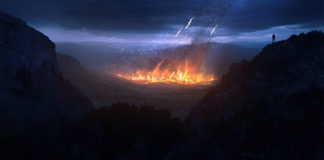
The end of the world according to Christianity
The idea of the end of the world refers to the end of the social order and humanity; the end of the planet as we know it. But according to the Bible, these will not all come at once.
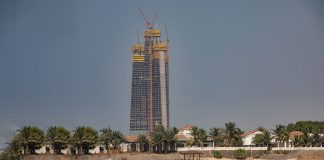
The tower dedicated to pride
Jeddah is different, at least according to its city motto. This Saudi Arabian port city on the Red Sea is home to more than 4 million people and is a gateway to Mecca: the holiest city in Islam. Millions of pilgrims come through Jeddah to visit Mecca, some 65 kilometres to the east, and Medina, Islam’s second holiest city, 360km to the north.
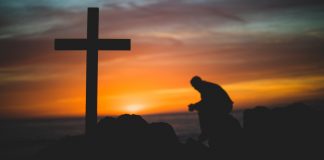
The miracle of the ordinary | Rediscovering transcendence in simplicity
In our desperate search for miraculous answers or confirmations, we often forget that the most profound miracles are hidden in the seemingly mundane details of our lives.
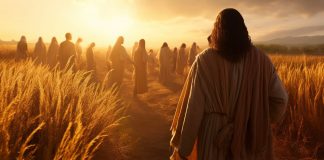
What did Jesus believe about the Sabbath?
"Do not think that I have come to abolish the Law or the Prophets; I have not come to abolish them but to fulfill them" (Matthew 5:17).
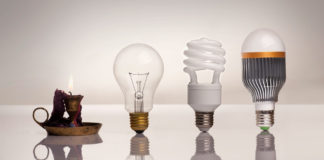
Evolution: Impossible
Dr. John Ashton of Newcastle, Australia, is a compelling example of a serious research scientist who bases his beliefs regarding the origins of the universe and life on the Bible.

Is the Bible history?
The Bible is the best-selling book of all time. But while people are aware that the Bible exists, these days relatively few know much about it or have taken the time to actually read it.
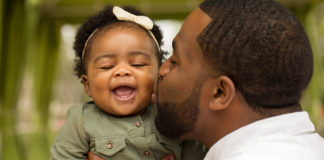
Looking for a loving father
Fathers are an important part of their children’s lives. Good dads can provide stability, protection and love in a child’s life.
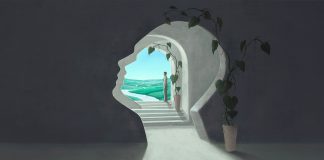
The problem of evil: can faith withstand modern criticism?
If we accept that there are realities beyond our direct perception, then faith in God becomes a hypothesis worthy of serious consideration, rather than an absurdity.

The spiritual community of readers
For almost six years, I relentlessly pursued Dr. Bill Knott to interview him for the programme Starting Point. He had been editor-in-chief of the Seventh-day Adventist Church's official publication, Adventist Review, for a decade. Finally, in early 2016, we sat down for an interview in which we discussed how he developed his talent as a writer and the current significance of the Adventist...