











A second chance: faith in the forgiveness that transforms us
Many years ago, while I was still in high school, our Romanian language and literature teacher assigned us the task of writing a framed story, complete with characters and a plot of our choosing.

The hidden danger in calling your child shy
We often do it without even thinking. Labelling our children as shy, cheeky, fussy or even smart. In the right context, calling our children these things is innocent enough. It even helps explain certain types of behaviour.

The exclusive prayer: Who should we address when we pray?
The stakes are high when it comes to identifying the one to whom we should pray, and we can discover who by answering an apparently simple question: Can we expect prayers to be heard no matter who we address them to?

How parenting has turned into a strategy game
One of the most striking changes in contemporary parenting is the way it is starting to resemble a well-designed video game, which can make players become addicted. But what happens to parents who feel they are losing the game?

Boredom: how many ways can you scratch an itch?
"All of humanity's problems stem from man's inability to sit quietly in a room alone" (Blaise Pascal).
Life really is beautiful
Graeme Frauenfelder, 56, didn’t realise until he was an adult that he was the victim of a mental health problem that affects 1.8 per cent of Australian males and 1.7 per cent of females. He’d assumed that his feelings were typical of any kid. But Graeme’s problem has a name. It’s bipolar disorder, which used to be called manic depression. Bipolar disorder is...
The slow-paced family
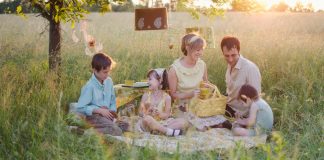
Women work an average of 68 hours per week, while men work 55 hours—a total that includes both professional commitments and household responsibilities. This was the conclusion of a 2007 study conducted by sociologists at the University of Cambridge across European Union countries.

Life lessons from Frank the dog
Pastor and author Ed Gungor reckons he’s learned a lot about life from Frank, his small white-haired terrier. So much so that he has entitled his book One Small Barking Dog: How to Live a Life That’s Hard to Ignore.

Hara hachi bu: eat slower, live longer
The Japanese Okinawans have a peculiar way of eating that supposedly extends their lifespan. What can we learn from them?

Build boundaries, protect your marriage
The most important human relationship you'll ever have is with your spouse. Protect it at all costs.
Dangerous closeness: How to recognise and prevent abuse
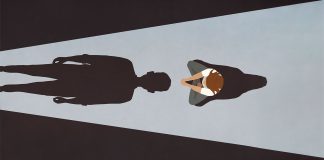
Sexual abuse follows a predictable pattern, but unfortunately this pattern is not widely known. It is essential to recognise its early signs and profound effects for both protection and healing.
“Immortality of the Soul or Resurrection of the Dead?” | Book review
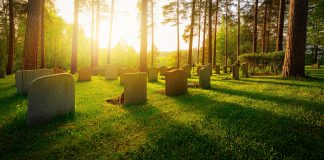
The obvious opposition to one of the most widespread Christian teachings is likely to provoke strong reactions, which is what happened with the book Immortality of the Soul or the Resurrection of the dead?,[1] by the renowned Lutheran theologian Oscar Cullmann (1902-1999).

Friends and social networks
"I'm 14 years old — and I'm sick and tired of social media." (Riley Jackson)

Finding grace in the chaos of parenting
Yelling at children—especially younger kids—appears to be effective. They stop whatever they’re doing (or not meant to be doing) and start obeying you.