











Tomorrow is today
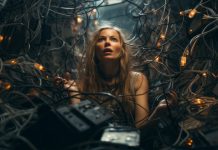
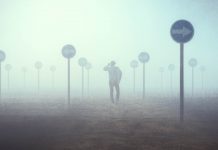
What I need now is stability. And that can only come through sacrifice. That's what I've heard and that's what I’m doing. My family? It can wait—dear ones, too. The little joys of life? Who has time for that? I'm still waiting.
Any mountain can be climbed
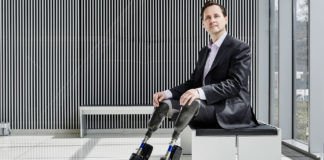
There is nothing we can do. Thousands of dreams ended with this short sentence. In the face of too great an obstacle or tragedy, giving up seems the only option left. But there are some people who love what they do so much that nothing stops them from adding an unless. This word breeds the courage and creativity in finding solutions, and then...

COVID-19 and our low-risk but endangered children
All COVID-19 statistics lead to the same conclusion: the young ones, our children, are at the lowest risk of getting ill or dying from the virus. That’s comforting. But the pandemic does pose a certain danger to them.

The Kiss of Judah | What remains after trust has been betrayed?
The first time Judas's kiss was heard was in the Garden of Gethsemane. However, its echo is repeated whenever the trust of an unsuspecting soul is betrayed. Betrayal, especially when it wears the mask of faith, tears apart the moral fabric of those who are wounded by it.
The Christian citizen
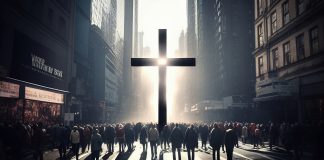
“If it is possible, as far as it depends on you, live at peace with everyone” (Romans 12:18).

Ship your grain across the sea…you may receive a return
When we help someone without expecting anything in return, we often forget both the recipient and the gift. But God does not forget, and fulfils—at just the right time—the promise found in the verse that provides the title of this article. He did the same in my case.
People who face tragedies with eyes wide open
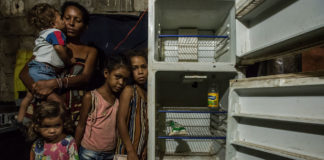
When faced with great tragedies, the most overwhelming feeling is one of helplessness. What can we do to change the lives of the hurting for the better? How can we help when not even the strong can find solutions? The answer is not simple, but it is more accessible than we might believe if it includes empathy, courage, and the faith that any...
Help your child grow smarter
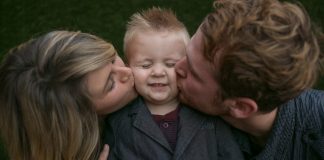
Every loving parent wants their child to become sharper, more intelligent, and to develop the essential skills needed to succeed in life. Science offers several key “tools” parents can use to help their child boost IQ and unlock potential, making them powerful advocates for their child’s future success.
Moral fatigue: Why do we stop doing what’s right?
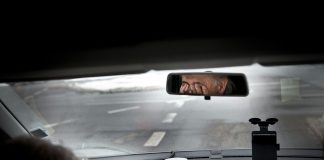
Psychologists call it "learned helplessness". People just call it "it is what it is". Both terms describe the same phenomenon: the exhaustion that comes from trying to maintain the belief that their efforts matter.
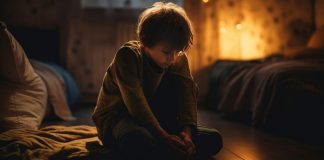
The fear that holds kids back
Before the age of two, most children think the world revolves around them. From their point of view, what they think and how they feel must be what others think and feel, too. They don’t have the concept that other people have different needs and perspectives. It’s why if they can’t see you when they’re playing hide-and-seek, they believe you surely can’t see...

#SELFCARE for Christians
The concept of self care—defined as the entirety of ways in which a person understands how to solve their emotional problems and manage their anxieties—has become a real movement in the past two years with an entire industry ready to make our lives easier and more comfortable. For Christians, however, this trend has proven to be quite problematic: making our lives easier is...
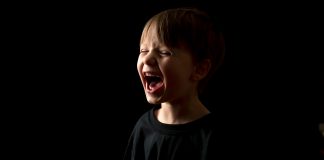
When your child has a meltdown
Children have big feelings. Even worse, children have big feelings over what seem to be rather inconsequential things.

Stories and life lessons from the bridge of suicides
For 23 years, every working day, Kevin Briggs went to work knowing that someone might try to end their life right in front of him. What can you say or do for a person standing on the edge of a bridge, ready to jump?

The original meaning
Before I started looking for the meaning of life, I thought I had already found it. Or, that it had been given to me. In the world I came from, the road was clearly laid out. My life's major events were all mapped out, and precious little was negotiable.

The light of closed eyes
Under the burden of evil, often made public obsessively, insinuatingly, too often we perceive the world as an endless cycle of negative emotions and predictions. We lose the broad perspective that encompasses the initiatives beautifully woven by people whose hearts beat for God and for their fellow men, people who make this world liveable.