














The darker side of our world
The world of the homeless is the darker side of our world. It is inhabited by vagrants, drug addicts, and the powerless. This world has its own rules, customs, pleasures, and pains, but lacks meaning and peace. And those who enter this world struggle to leave it.

Sensitivity and parenting | What highly sensitive parents need to know
Parenting is one of the most rewarding and fulfilling roles there are. It is also one of the most difficult, and highly sensitive parents know this best. Although they often feel overwhelmed by the role, experts say these people can successfully navigate the complicated world of parenting.

The pain of other people
Every experience we live teaches us something about the world and God. These lessons are always perfectible. From the pain of other people, however, we learn the wrong lessons so easily.
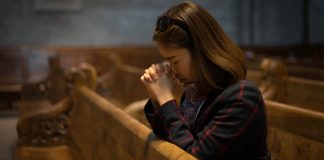
The school of happiness
The issue of education generates heated discussions and numerous controversies. The dialogue with Professor Steve Dickman, the director of a private high school in Savannah, Tennessee, presents a time-proven education model. The objective is not only in the acquisition of knowledge, but also in the skills to apply it in real life, for one’s own good and the blessing of others. The by-product...

The illusion of equality and other failures of reason
"Cultural trends now fashionable in the West favour an egalitarian approach to life. People like to think of human beings as the output of a perfectly engineered mass production machine. Geneticists and sociologists especially go out of their way to prove, with an impressive apparatus of scientific data and formulations, that all men are naturally equal and if some are more equal than...

Is disciplining children the responsibility of grandparents too?
“When grandparents enter the door, discipline flies out the window,” poet Ogden Nash once said, encapsulating one of the most common sources of intergenerational conflict—the role grandparents play in the upbringing of their grandchildren.
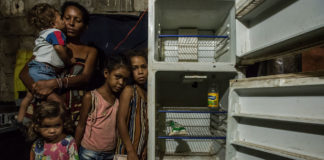
People who face tragedies with eyes wide open
When faced with great tragedies, the most overwhelming feeling is one of helplessness. What can we do to change the lives of the hurting for the better? How can we help when not even the strong can find solutions? The answer is not simple, but it is more accessible than we might believe if it includes empathy, courage, and the faith that any...

Why should you tell your friends your secrets?
In 2004, Frank Warren, an American businessman, had "a crazy idea," as he himself describes it. He printed 3,000 postcards, wrote his address on them and a series of instructions, then left space on the back for the sender to write secrets they had never shared with anyone before.

No one is perfect: how to help children learn from mistakes
To err is human. “The only sure way to avoid making mistakes is to have no ideas”, Albert Einstein said.

Choosing happy
Paul was imprisoned by the Roman Emperor. He was on Death Row. Every morning, when he opened his eyes, he didn’t know if this day would be his last, and whether he would be thrown to the lions or burned.

Strategies for managing children’s digital behaviour
Parents have a crucial role in managing their children's digital behaviour, as well as preventing and detecting addiction. Their success depends on their own relationship with digital devices.

New Year’s resolutions: a tradition doomed to failure?
Besides carefree days, Christmas carols and traditional sweet breads, any respectable December also includes an evaluation of the achievements of the previous year and making plans for the future.
Busting four porn myths
It’s been said that porn and the internet rose together. As technology develops, the pornography industry finds new and even more instant ways to entangle consumers. I saw a video on social media where a young woman was talking about her subscription account (where people subscribe to access exclusive content of her) making $350k a month.

Envy and its opposite
Beginning with Cain and Abel, history has known famous and less famous stories woven around the devastating experience of envy.

Parenting school: the coach phase
The transition of a child's education from the family to the institutional sphere tends to influence society's perception of the factors responsible for children's education. For many parents, the idea that kindergarten, school, and church are primarily responsible for the education of their children is increasingly common.