














How the antibiotic apocalypse can be avoided
“By 2050, AMR could potentially kill one person every three seconds and become a more common cause of death than cancer.”

From Charon’s skiff to the tomb of Lazarus | Part 1
Belief in life after death is present in many religions and cultures and has always been an important aid in accepting the tragic reality of death. However, rather than speaking of the intrinsic immortality of the soul, the Bible speaks of the future resurrection of the dead.
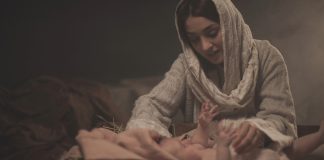
Mary’s journey: from inner turmoil to unshakeable trust
Mary was an ordinary person, just like us. The Gospel does not suggest that she had any particular merit, yet her obedience played a pivotal role in a story that would change the world.

Cringeworthy!
When a visitor walks into your church, what will they see? What will they hear? How will they feel?
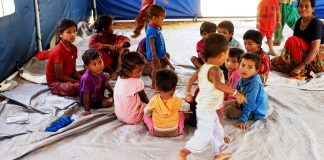
Plight of a refugee
He was only seven when the war started. He used to spend his time “running around and playing with my mates,” and then one day, the houses in his town started burning down and neighbours would go missing. His parents told him to stay indoors.
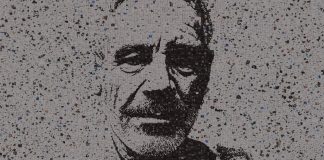
The Epstein files and the magnetic fascination with scandal
The Jeffrey Epstein case periodically returns to the public eye with new revelations that promise, but fail, to provide a complete picture. Instead, the same reaction emerges: outrage, distrust of institutions, suspicion of elites and insatiable curiosity. Why does this story continue to captivate us?

From bits to artificial intelligence | An introduction to the digital world and its relevance to everyday life
The internet, which became accessible to a broader public in the early 1980s, has fundamentally transformed human communication and the business environment.
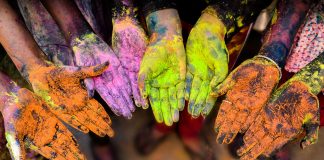
A brief treatise on (dis)illusion
In some African communities, during the harsh dry season when food becomes scarce and mothers can no longer feed all their children, a tragic custom persists: some children are left in open-air enclosures to die of starvation.
God in the rain | A hymn of fellowship in any season
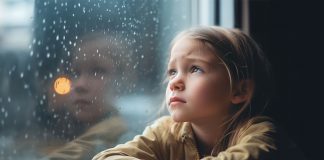
I was in the park with my little girl when a heavy summer shower began, driving us home. My little girl wanted us to stop for a moment in the stairwell of our apartment building to watch the rain. After standing there for a few seconds, I heard her whisper, "God, You're getting soaked."
“Fjord” and the temptation that precedes the film itself
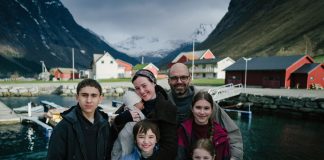
Once it won the Palme d'Or at Cannes, Fjord stopped being just a film. Between the movie and its audience, the prestige of the award inserted itself, along with the accompanying expectations, suspicions, claims, and demands.

Good people, bad people
I have always loved family photographs, especially old ones. They allow you to wander freely through the stories of times and lives that are little known yet also familiar.

Twenty years ago, on salvation
When I was 20, my spiritual life felt like an exam where I had been given a topic I hadn’t prepared for.

From logos to imago: when the image has the final say
While the form and content of books may evolve, their essence and function will remain unchanged—“the book will remain what it is”. This is the view expressed by renowned literary figures Jean-Claude Carrière and Umberto Eco in their 2009 dialogue series titled This is Not the End of the Book.

Do we worship war?
Edinburgh Castle sits proudly on the hill overlooking the city. Buildings and tourist shops crowd its feet, right up to the gate, where the square is being prepared for the famous Royal Edinburgh Military Tattoo.
Difficult conversations | How do we talk about death with our children?
Talking to your children about death can be an act of love. You can't take away their pain with a simple conversation, but you can give them something just as important: truth wrapped in gentleness, the reassurance and relief that they are not alone in their grief, and even the hope that sees beyond the loss.