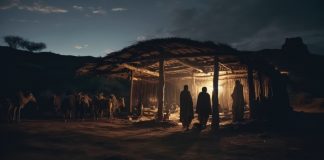












The sacred library in a secular age
In centuries long buried in the mists of time, the Bible was a book for which people were willing to die—whether burned at the stake or thrown into prison. There was a time when Bibles were chained to monastery walls. Today, they are printed and distributed by the millions. Yet it seems fewer people are actually reading them.
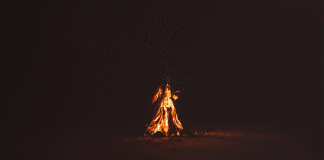
Sparks in the darkness: a surprising reading on suffering
"Yet man is born to trouble as surely as sparks fly upwards" (Job 5:7).

Are we smarter than previous generations, or do we simply think differently?
Researcher James Flynn of the University of Otago identified a surprising phenomenon: “We get far more questions right on I.Q. tests than each succeeding generation. (...) Indeed, if you score the people a century ago against modern norms, they would have an average I.Q. of 70. If you score us against their norms, we would have an average I.Q. of 130. Now this...

Jesus, the God who understands me
Sometimes, I wonder what I would be like if I were more like Jesus. Above all, I wonder how He would act in my situation. I have to admit that these questions sometimes leave me feeling lost.

A friend of God
Even if there were a thousand people in a room with Pastor Jim Ayer, you wouldn't be able to miss him. He towered over most people by at least a head and always wore a black hat with a wide brim. I recognised him as the friendly host of a programme on Adventist World Radio, for which he travelled to the most unusual...
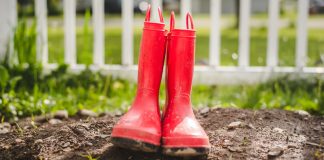
The boots that filled a void in the soul
No matter how hard we try to hide it, there are days when we are struck by the overwhelming feeling that our lives, however beautiful and enviable, are missing something essential.

The wisdom that comes from above
“If anyone, then, knows the good they ought to do and doesn’t do it, it is sin for them” (James 4:17). Yet Jesus asks, “Do you want to get well?” This question highlights that good cannot be done just any way or against a person’s will. Jesus shows that human will must be respected before God’s power can address sickness.

Rest through faith—a form of countercultural resistance
"Hi, Alina! I hope you had a productive weekend" was the opening line of an email that, to me, encapsulated a whole misguided philosophy of life.

Digital detox: a practical guide to a simpler life
Digital detox has become a real need for those who’ve realized that while the hyperconnectivity of the digital age promised unlimited access to information and entertainment—without sacrificing efficiency—many are now discovering that constant connectivity comes at the cost of inner peace. But is it still possible to reclaim simplicity in a world that seems unable to breathe without the internet?

How well are you protected against scammers?
Most of us want to trust. We assume that others possess our own level of honesty and goodwill. Sadly, this is neither a sensible nor a safe attitude anymore.

Make sure your kid knows these code words
It’s important to grant our kids their independence, but would they know what to do in an uncomfortable, tricky or dangerous situation?
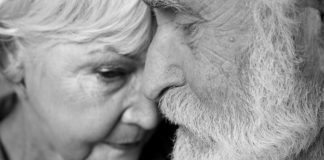
When parents die
I never cease to marvel at those who help, in an organized manner, troubled children, abandoned elderly or victims of violence. However, the general need for such heroic saviours reveals the failure of the social group that is apt to address these situations: the family.

Never forgotten by His heart
The sermons. My mother’s stories. The little sand table and Sabbath School for children. Adults’ conversations about religion. All the information I absorbed in childhood helped me sketch an image of Jesus with one major flaw: it was rendered in far too many shades of grey.
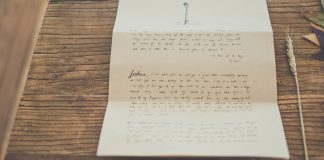
A teacher’s heartwarming gesture towards their former students
Over 30 years ago, Bruce Farrer, a teacher at Bert Fox Community High School in Saskatchewan, set his Year 9 students a special assignment and made them a promise. Many years later, his former students were in for an extraordinary surprise when their teacher kept his promise to the letter.