











The end of the world, according to Jesus’ teaching
Much has been written about the end of the world, but, if this end coincides with Christ’s second coming, then we should enquire from Jesus Himself what he teaches about His return. We will do this by using the material of the Christian Gospels.

Practising faith
When I was at high school, I played basketball a lot—most days at school, then team training sessions and often two or three games each week. At university, I played on the best team I have been part of. We trained and competed regularly over two years, and twice won our league championship.

Low-carb diets can shorten life expectancy
A diet that significantly reduces carbohydrate intake may shorten life by up to four years, according to a study published in The Lancet Public Health.
What do we do with bad people?
“Can’t good people teach bad people to be good?” Madeleine asked her mother, with the innocence of a seven-year-old.

A king’s dream: Martin Luther King, Jr. and the gospel of liberation
At the age of 34, he moved the American people with a speech about his biggest dream. At 35, he was awarded the Nobel Peace Prize. At the age of 39, his life ended suddenly, with Martin leaving his dream as a legacy to the next generations.

Deal with the devil
Among the many perplexing phenomena the internet offers, recent public statements by certain American artists stand out. These individuals, popular in various circles, openly admit to having made a deal with the devil—selling their souls and becoming his servants in exchange for career success, wealth, and fame.

What about the failures that haunt us?
A smooth sea never gave a skilled sailor, said Franklin D. Roosevelt, suggesting that without hardship, challenges and even failures, we cannot become our best selves.

Kindness: a social act
One of the small joys of my childhood was to visit my maternal grandmother at the house on the hill.
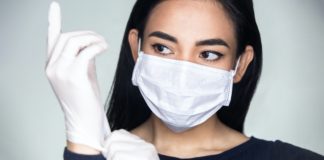
COVID-19: Why and how do masks, gloves and other protective equipment help?
I leave the house with gloves and a mask on. When I return, I clean my shoe soles and I wash my gloves with disinfectant. Then I take off my clothes, place them somewhere outside, take off my gloves and mask and wash my hands. Is this normal? Or am I a germophobe?

Moral fatigue: Why do we stop doing what’s right?
Psychologists call it "learned helplessness". People just call it "it is what it is". Both terms describe the same phenomenon: the exhaustion that comes from trying to maintain the belief that their efforts matter.
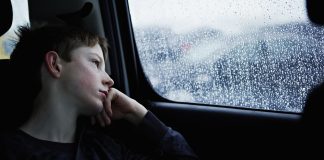
How old is sadness?
“My sadness hears the unborn dogs / barking at the unborn people.” (Romanian poet Nichita Stănescu)
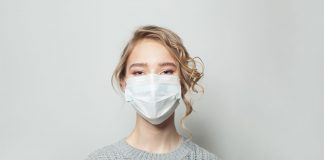
The first line of defence: Proven efficacy of wearing a mask in preventing SARS-CoV-2 infection
How important is wearing a mask for preventing SARS-CoV-2 infection? We must say, at the outset, that wearing a mask remains important in preventing SARS-CoV-2 infection, especially because the "delta plus" variant has a high potential for contagion.

Myths about vegan diets
For some people, being vegan is part of their lifestyle, but others cannot conceive of missing out on dairy products, meat or eggs. This could be explained by several myths that revolve around these diets.

The rescue at the end of the railway track
The days that we don’t see the suffering of others are few. We have learned to let our feelings of helplessness wipe our conscience and we move on, forgetting that we are not required to heal the suffering of all mankind, but to do the best we can, every day, with what we have available to us. In the case of Norma Romero...
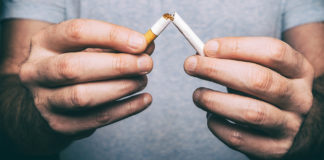
What happens in your body after you quit smoking
Our bodies reap the first benefits of giving up smoking almost immediately after we have ceased the habit. The scientifically proven changes that are visible within the next hours, days, months and even years after we quit smoking reinforce the fact that putting out that last cigarette is one of the best decisions you will ever make for the benefit of personal health.