














The road home
The miracle of modern technology today is idealised by almost everyone. The way in which technology has placed the world at our feet, ensuring that we are at the centre of the universe even while lying on our couches, and that we find solutions simply by swiping our finger along a screen, has irredeemably conquered us.

COVID-19: Hope ordinances and a divine governance
Fines, military ordinances, police and army patrolling the streets – this is the reality we have suddenly found ourselves living in. It is a tightening reality, a rigid corset-like structure of rules.

The “background noise” of free will
What would you say if you read an article that tells you that the human ability to make choices freely and consciously—that is, free will—might just be an illusion? What if the article backs up its claims with scientific research? Such curiosity is sparked by an article published on livescience.com.

The journey to financial freedom
Money . . . It’s the grease that makes the world go round, yet it’s one of the least chosen table topics of choice. With the rising cost of living, the price of lettuce being tripled and a seemingly never-ending list of things to pay for, many are worrying about their financial future. So long as we continue to ignore the conversation, the...

The end of the world in literature
The end of the world has been an enduring human preoccupation and, paradoxically, has existed since the dawn of civilisation.

Don’t have grandkids? Get some! | The surprising perks of being a grandparent
Grandparents who play an active role in the lives of their grandchildren enjoy a range of health and well-being benefits—including, according to research, a longer and happier life.

He believes and what he believes comes into being
Very few people have ever found rest in what they are and what they do. They are always seeking what they do not have and trying to become what they are not. These people talk about transformation, development and fulfilment but no matter their accomplishments or status, they are always thinking that they need to surpass their present state, that there is something...
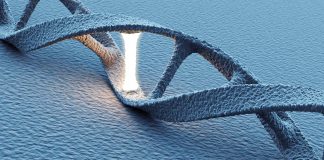
Non-functional DNA: the playground of evolution?
It is commonly assumed that at least 96% of the genome of a multicellular organism has no functional role. A junk-dominated genome is the ideal place for evolution to randomly explore new functions and characteristics of the species. After all, who would ever think that a wise and all-knowing Creator would use 96% informational junk to define a human being or a mollusc?

We need water
The question of the origin and justification of the recommendation to drink at least eight glasses of water a day was first seriously examined in a scientific publication by Heinz Valtin.

From fairy tale to reality | A journey toward the happiness that matters
Before I even learned to read, I had already fallen in love with timeless stories. I would have loved to hear them every day. During the summer holidays, I would insist that my older sister—the one lucky enough to have already unlocked the secrets of the alphabet—read me one more story, and then another.

Managing screen time
Are you tired of feeling guilty for letting your kid play with an iPad or watch a show on Netflix? Perhaps you’re worried about the impact screen time has on them.

Shopping and the perfect world
“Hi, I’m Rebecca, and I’m a shopaholic!” This line, along with the character, though from a comedy released in 2009, is cut from the fabric of everyday reality. Shopping has become an indispensable appendage of modern life. However, when it ceases to be just an accessory to a much more complex existence and moves to the centre of an individual’s focus, the leap...

Living Biblically?
Many Christians say they take the Bible literally. They regularly spend time reading this Book they believe to be inspired by God and seek to understand how to apply it to their lives.

Against the current
Over the last few decades, the picture of family life has undergone dramatic changes. The pervasiveness and normalization of divorce are just two of these changes.

There is no such thing as absolute truth or absolute values. True or false?
By their very complexity, situational moral decisions demonstrate that there is an absolute good that we seek. Moral principles work together for the absolute good.