







Are spiritual forces real?
Ideas about death, souls and afterlife existence are often intertwined with religious or spiritual beliefs—in other words, belief in the supernatural. But are spiritual forces present or observable in this world? Do they exist? Can they be observed, defined, categorised? Are friendly ghosts and vengeful spirits lingering in haunted houses real, are the paranormal investigators you see on television really fighting an evil spirit as they claim, or...
“Honour your father and your mother”
I once heard on the radio a recommendation to help us understand the elderly: to attach some weights to our backs, hands and feet, put some blurred glasses on our noses, cotton wool in our ears, and then go to the market...

The tower dedicated to pride
Jeddah is different, at least according to its city motto. This Saudi Arabian port city on the Red Sea is home to more than 4 million people and is a gateway to Mecca: the holiest city in Islam. Millions of pilgrims come through Jeddah to visit Mecca, some 65 kilometres to the east, and Medina, Islam’s second holiest city, 360km to the north.
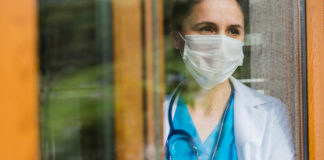
Eight months into the pandemic, where are we headed?
We do not know what 2020 would have looked like without a pandemic, but we already know that some losses could have been prevented. And, if the future lies in the spectrum of pandemics, as the WHO warns, we should learn all the lessons that can be learned from this long journey.
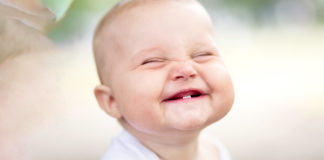
Laughter, not noise: the benefits of good humour
A cheerful heart is good medicine, but a crushed spirit dries up the bones, says a well-known biblical proverb. We don't have to be practicing Christians to recognise its truth.

COVID-19: The new mirror in which we look at our parents
How can we encourage the elderly during this time? How can we help them understand that we don't want to lose them and that, although it's hard for them, we didn't abandon them. I have an elderly mother and, honestly, it would help me a lot. Can you write for me?
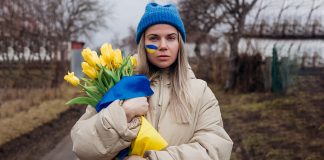
Tears, war, and tulips: a day among the Ukrainian refugees at the Siret Customs Point
The wind is blowing and it is snowing at the Siret Customs Point. Refugee groups stream by, women with children clinging to them, and the words of a little girl from another war, concluded almost eight decades ago, keep running through my mind: “And this was imprinted in my mind, that when my father is not home, it is war.”

The suicide plant
My brother and I were thrashing through the bush en-route to a peak overlooking Airlie Beach in far North Queensland. A short hike that was only meant to be 800 metres seemed to go on forever. We stopped every person returning from the lookout to enquire about how much longer it would take for us to get there. “Oh just another 10 minutes,”...
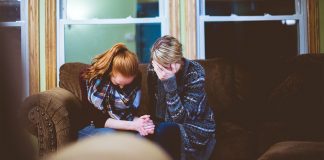
Reviving compassion | What not to say to someone who is suffering
Although grief is a universal experience, we respond differently to its onslaught, so it's no wonder that words meant to comfort often add more suffering to an already heavy burden.
What do you do when you reach the end of love?
When I'm tired I can't love! Many times I have lived this reality and even assessed it as the exact end of love.
Hygge your life
A room lit only by candles. Soft music playing in the background. A worn but unbelievably soft and comfortable armchair beside a roaring fire. A mug of hot chocolate topped with two marshmallows. You, wrapped in a hand-knitted blanket, seated on the armchair, the mug in your hands.
Friendship, through the eyes of a grandparent
In the search for deeper meanings of interpersonal relationships, we have discovered the life stories of simple, dignified people, willing to share from the abundance of their joy. Thus, these are the seasons of friendship, through the eyes of special grandparents.
How to critically evaluate a text
Almost a century ago, writer Virginia Woolf noticed people’s tendency to approach books “with clouded and divided minds, asking fiction to be true, poetry to be false, biographies to be flattering and history to chime with prejudices.”
Antipapism: realism or paranoia? (I)
In late 2015, famed neurosurgeon Ben Carson, who was running for the Republican presidential nomination, became the target of scrutiny and innuendo from some in the media, who used the moment to turn his religious identity on its head. Ben Carson is a Seventh-day Adventist, and people wanted to know how Adventism influences his thinking. Carson lost the election race, but won a...
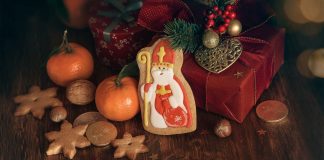
The first Christmas gift-giver
In writing this article, I asked a handful of people what the worst thing they had ever received for Christmas was. The answers I received were interesting, to say the least.