










The light that penetrates the cracks in the wall of algorithms
With its appearance as a contemporary version of the Ancient Greek agora, the internet has made free expression an implicit part of our daily lives. However, the more we learn about the increasingly complex nature of algorithms and the intentions of those who have the power to dictate them, the more we realise that the digital world is not, by definition, a truly...
How to develop your creativity every day
Even if half of us refer to creativity as a rare trait that only the other half has, in reality, creativity is much like a muscle: the more we use it, the more creative we become.
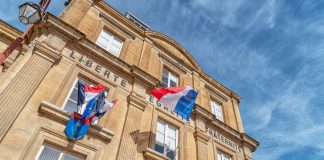
The dechristianisation of France | A history of failure
Thousands of street names changed because they referred to Christian saints, Catholic priests forced to marry, Jesus Christ described as a revolutionary—these are some of the stupefying details of the French Revolution.

The problem of happiness
Would you rather “achieve great things or be happy?” That question was asked in a YouGov survey (United States): 81 per cent said they would rather be happy; 13 per cent wanted to achieve great things; 6 per cent were uncertain.

Celebrating transformative faith
I don’t remember ever doubting that, beyond the limits of the ensnaring, visible world, there is another reality that can only be accessed by those who speak the language of faith.

Photography and faith
André and Penny Brink grew up surrounded by the extraordinary beauty of nature in South Africa. The art of photography enabled them to observe nature more closely and to get to know the Creator of nature. They shared this experience in Through the Lens.

COVID-19: What have we learned about ourselves?
Courage is not the opposite of fear, nor of caution. True courage is what you do right in the midst of fear.

Post-atheism and the relativisation of relativism
The end of the last century created the perfect context for postmodernism to exercise its veto over all the ethical dilemmas of the day. As a result, today, as in vitro fertilisation, abortion, euthanasia or homosexual marriage enter the legislative agendas of more and more countries, we see political correctness taking precedence over religious morality.

Heaven won’t be boring. Here’s why.
Forget floating on clouds—discover the thrilling, purposeful eternity God has planned for you.
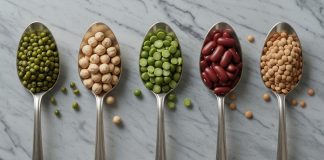
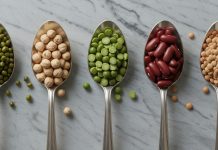
What the body does with plant proteins
In reality, the human body, like that of many powerful animals—from horses to elephants—is perfectly capable of extracting and using protein from plant sources....
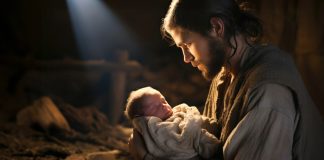
Becoming the father of the Son of God
In the history of salvation, few people have received a more unsettling calling than Joseph of Nazareth. After overcoming his initial hesitation, he made a series of decisions born of obedience. He remains a model of mature faith and authentic manhood.
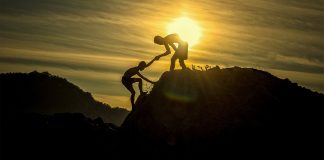
Stories with happy endings | How to keep going despite the obstacles
For some people, suffering is temporary. For others, life itself can be a long series of painful blows. However, experience shows that recovery is possible even when people seem to be at the end of their tether.

What is a “good death”?
We think we know what a good life is, but what is a "good death", if it exists? When incurable diseases ravage the body and death becomes an imminent reality, the question takes on painful outlines, especially in a society open to arranging the circumstances of death according to the will of its protagonist.

“Pornography solves the couple’s intimacy problems.” True or false?
Some couples use pornography for sexual stimulation or educational purposes, to "spice up" their sex life. But while their intentions may be good, instead of helping, pornography can ruin a marriage.