










Under the shadow of the pandemic: was 2020 really the worst year in history?
Peering through the dust settling from the chaos of last year, we are trying to see into the unknown of the coming year, hoping for the best. Irrespective of what our hopes for 2020 were, our expectations for 2021 seem to centre on things going back to normal.

The slow-paced family
Women work an average of 68 hours per week, while men work 55 hours—a total that includes both professional commitments and household responsibilities. This was the conclusion of a 2007 study conducted by sociologists at the University of Cambridge across European Union countries.

The colours of silence
The hues of the rainbow, once considered the seal of peace between God and humanity in the Bible, have, in just a few years, become the symbol of an ideological conflict among people in a society where the “shame axis” spins according to the dictates of the public agenda.

Introverts and their road to success
They would rather work alone or in small teams, they do not wish to draw attention, they love quiet, less stimulating environments, and they need time to make decisions. With this general profile, introverts seem to have a slim chance of prospering in a society that usually rewards extroverts—unless they learn to harness their strengths.

God’s silence
Renee James was 18 when she decided to stop praying. If God was going to be silent, she thought, she would be silent too. She had been praying for years for the healing of her brothers, Sean and Niall, one suffering from autism and the other from Down syndrome. Yet there had been no answer.

Reformation 2.0
Generations of American adults who were marked by a strong commitment to Christianity and a practical devotion to their faith are ageing and disappearing. They are being "replaced" by generations of young people who are less likely to identify with the Christian religion or become committed Christians.
Suffering and the meaning of life
I have always imagined that well-being, bright prospects, good health and a clear purpose in life tend not to inspire questions about the meaning of life very often.
A night in the ocean
For Australians, the islands in the South Pacific Ocean (Solomon, Vanuatu, Fiji, Papua New Guinea), although spread across thousands of kilometres, are a kind of backyard. And many Christians see these islands as their mission ground.

Antibiotics: Blind optimism is dangerous
The increased frequency with which doctors are encountering antibiotic-resistant bacteria is worrying. And it could affect an already precarious medical field—cancer treatment.

The queen of small, guilty pleasures
"Did you hear what he did?" "Guess what we found out about our new colleague!" In spite of their apparent enthusiasm, gossips—people who laugh loudly and try to capture the attention of others through the tantalising information they have to share—are often not as happy as they seem.

From the duty to remember to the right to forget
What if we could modify or even completely erase painful, sad, or traumatic memories? While this concept currently belongs to the realm of science fiction, advances in science may soon make memory modification possible. Yet, experts remain divided on one fundamental question: could the potential benefits of altering memories outweigh the risks involved?
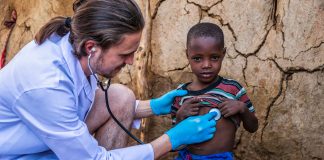
The doctor of the forgotten world
Doctor Roland Hermann knows what he wants to do with his life. This is the explanation that best describes his decisive yet relaxed and simple answers. For years, the 45-year-old dentist from Mediaș, Romania, has been travelling to forgotten places to treat hundreds and thousands of disadvantaged patients.
Dialogue with Infinity
We are beings designed with an innate thirst to know and be known. This explains why we feel that this endless quest for connection and meaning transcends the status of a mere human trait. It is not just a peculiarity of human nature, but an essential requirement, a deep calling of our soul—a human imperative.
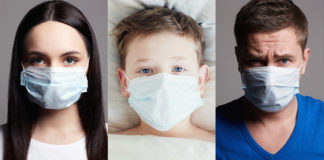
COVID-19: How has it affected young people?
Early reports out of China showed that elderly people and the chronically ill were most vulnerable to Covid-19. Yet an alarming number of young people in the United States have been hospitalized with severe infections. According to the Centers for Disease Control and Prevention, nearly 40% of American Covid-19 patients who were hospitalized were under 55 – and 20% were between ages 20...

COVID-19 vaccines and pregnancy: What do we need to know?
When analysing the potential impact of COVID-19 vaccines in pregnancy, first of all, we must observe that several studies have shown that, in pregnant women, SARS-CoV-2 infection can have significant negative consequences.