










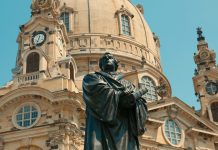



Say it with a poem
Have you ever felt like there was nothing to your story? Like your life wasn’t anything worth sharing? Or like it would set you further apart from others?
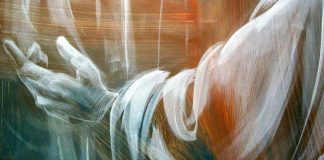
“God is dead”. Any objections?
The tendency toward the total privatization of religious life is particularly strong today, especially in the new generation.
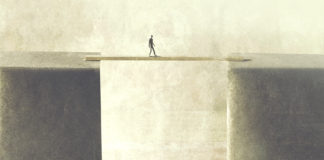
Compromise and the right price
Compromise is always present in relationships. It may pull us down, but it can also be a good reconciliation exercise when there are differences that cannot be resolved in any other way.

Fear of war: how to soothe our hearts
When the fear of war overwhelms our thoughts, let us not forget that we are not alone, that God will end our suffering and give us a new and everlasting life.

My child is unique and God knows it
As Christian parents, the most important legacy we want to leave our children is faith in God.
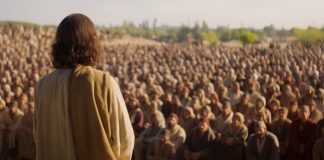
Confronting deception: from Jesus to the Internet
Let's go back in time to the day when Jesus spoke His apocalyptic words. At that time, rather than giving a revelation about the future, He was more concerned with warning about the dangers of deception.

Norma Nashed | Poverty made her a mother to thousands of children
Norma Nashed has been running the Restore a Child organisation for more than two decades, helping 4,000 children in ten African countries.

Son of God
Even in this secular age, the world’s largest group of religious believers—a full third of Earth’s human population—worships Jesus of Nazareth as the eternal God who appeared in human flesh. Millions more—Muslims, Baha’i, Hindus, Buddhists and others—recognise His unique connection to the Divine, His wisdom and His compassion.

Can God be removed from history?
“Is God dead?” was the question on the cover of Time magazine on April 8, 1966. Three-and-a-half years later (December 26, 1969), the publication changed that to: “Is God coming back to life?”

The tragic divorce
It is not the environment or the circumstances, but the concept of the meaning of life that is fundamental to the course of our lives. Life remains dependent on the value it holds in the mirror of the mind. The way we live is the visible messenger of the invisible inner man. Every form of action is born of faith, and every form...

Complaining too much? Here’s 5 things you can do instead
What do you do when things go wrong and everything around you seems to crumble? Do you keep your eyes forward and try to find a solution? Or do you fall into endless complaining?

Running against our own potential
If we were to liken life to the Olympics, then we would easily understand two fundamental things: you can’t score first in all the tests and, even in the areas where you are very capable, you can win by doing less than your best if those you compete against are not much of a challenge.
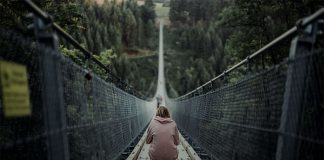
Created with a need for rest
Work has been part of God's plan for mankind since creation, but so has rest. Setting wise boundaries between work and rest is not only a successful strategy for maintaining our productivity, it also reflects on the health of our relationship with God and our fellow people.

Vaping: a plague disguised as a revolution
In developed countries, where the public debate on tobacco consumption has been so widespread that even those who had no desire for it were educated on the negative effects of smoking, the prevalence of this toxic habit dropped so drastically that it caused trouble for cigarette manufacturers.

1…2…3…run to the wall! Freeze! Playful parenting
There was a time when the word parenting would cause me to either roll my eyes or shrug. It was a time when seven hours of sleep a night, instead of at least eight, had the destabilizing potential of a hurricane, a time when the clear voices of children in the park would compel me to grab a book and read under my...