




The dream that came true underwater
Our dreams must be stronger than the unfortunate circumstances in which we find ourselves.

Hamstrung by belief
Faith and sports are strange bedfellows, and with the FIFA World Cup just around the corner, it is perhaps the only time in the world that more prayers are offered up to any god, as nearly half the planet will tune in to watch the tournament. Like most committed sports fans, I will be one of those billions hanging on to every moment, making earnest,...
“And forgive us our trespasses…” But what if they persist?
In our Christian experience, we strive for perfection, but we honestly admit we are a universe away from it. Our inability to live up to God’s standards can lead us to feel we can no longer benefit from divine forgiveness, at least not until we prove strong enough not to give into the sins we are battling.
God’s children… and “grandchildren”
I once heard a Christian warn his community: "God only has children, He does not have grandchildren!" In the postmodern context of relativising values and truths, diverse, strange or syncretic religious forms have emerged and continue to emerge. This is happening to a large extent within Christianity.

Kindness: a social act
One of the small joys of my childhood was to visit my maternal grandmother at the house on the hill.

Parenting school: the counsellor and consultant phases
This article is the third and last in the "Parenting School" series. The first two parts were published in the May and June 2020 issues of Semnele Timpului, the Romanian version of the ST Network.
The role of mindfulness meditation in boosting our hopes
I used to be among those who have a great aversion to the recommendation to "live in the present," firmly convinced that, in fact, this advice is nonsense. That, in reality, every moment we enjoy right now, is actually a millisecond behind, therefore, it is still not the coveted living in the present.
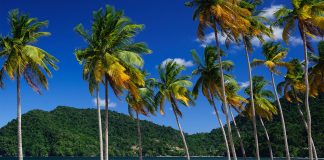
25 million reasons
The Caribbean has long been considered paradise by many tourists. For many of those living there, however, the images of lofty palm trees, white sandy beaches and crystal-clear waters mask an underbelly of drug running, gang-related violence and prostitution. Human trafficking is an issue many nations are struggling to cope with, and the Caribbean island of Trinidad is no different.

Any mountain can be climbed
There is nothing we can do. Thousands of dreams ended with this short sentence. In the face of too great an obstacle or tragedy, giving up seems the only option left. But there are some people who love what they do so much that nothing stops them from adding an unless. This word breeds the courage and creativity in finding solutions, and then...

Can too much salt (really) affect your health?
Could it be true? Are we eating too much salt? Is too much salt dangerous or beneficial?
Insomnia and God’s bird
Carolynn Yakush inherited her taste for the good life from her Czech grandparents, and her interest in faith from her mother and the Christian schools she went to. For many years, the desire for money and a life of luxury overshadowed her spiritual and religious concerns. One day, almost without thinking about it, she entered a church again, and was amazed at the...
Dealing with negative emotions in times of crisis
Many years have passed since I last lived with my brother. Recently, I decided to go and stay with him for a while. One day we both decided to visit a place in nature that neither of us had been to before. When we got there, it started to rain—while not very heavy, rain was not what either of us had wanted. But...
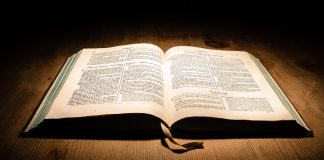
A Bible for everyone
Little Welsh girl Mary Jones anxiously walked the 40 kilometres. She couldn't wait to buy a Bible in her language, as she had been saving for it for more than six years. But when she reached the shop of Mr Charles, her pastor and teacher, she found with despair that all the Bibles were either sold or already spoken for.
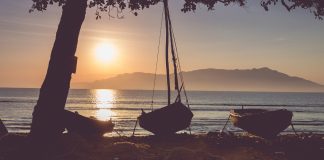
A slice of heaven
Several years ago, I had the opportunity to tour south Te Waipounamu (the South Island of Aotearoa New Zealand). Flying first into Invercargill, I made my way north, excitedly anticipating iconic tourist spots such as Queenstown, Milford Sound, Wanaka and more. However, on the way, the sleepy town of Te Anau caught me by surprise, captivating me in a way that I didn’t...
Is Christianity merely an emotional experience?
"Yes, we eat grass and we're proud of it because it demonstrates that, with God's power, we can do anything," is the statement and belief of young Rosemary Phetha as reported in TimesLIVE.