







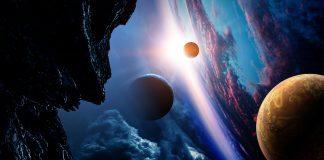
The Expanse: Big Sci-Fi tackles bigger questions
Out of all the genres of storytelling that we see in the media we consume, science fiction holds a special place in my heart. While some may pine for the comfort of romance, the tension of a modern-day thriller or the stimulation of a well-crafted fantasy world, I’ve always been drawn to science fiction's ability to create a rich canvas out of imagined futures.

Confession: in search of the ultimate goal
It is important to have a purpose in life, yet this is not enough. It really matters what your purpose is.
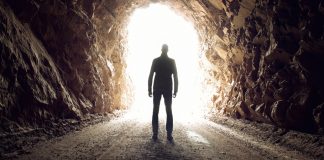
“I remember when I died” | Interview with Ruth Frikart-Moor
"On the 5th of March 1986, life left me! I was in the process of moving and that evening I felt terribly tired and cold..." (Ruth Frikart-Moor)

Under pressure
While for many the experience of pregnancy is full of excitement, for some first-time mothers, it can be a struggle with the unknown. For newlywed Shannon Toledo, her complicated health issues were adding another variable to the morning sickness, mood swings and the uncertainty with her job during the peak of Covid-19. A part-time martial arts instructor with a third-degree black belt in Taekwondo...

We are not creators, but inspirers and witnesses
It is not we who educate our children, they educate themselves. Unique, complete, amazing. Every child and every childhood is a challenge to discover and respect their individuality. Let's enjoy the revelations they give us and grow ourselves by observing and facilitating their growth.
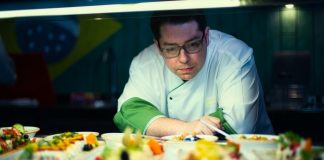
How chefs became celebrities
What do a foul-mouthed, drug-abusing Canadian, a stately Frenchman from Bourg-en-Bresse and an American businesswoman whose prison nickname was “M Diddy”, all have in common?
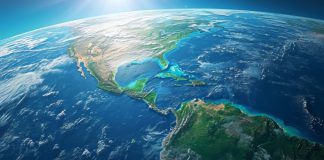
The thirst of the blue planet
The way we're managing our natural resources is unsustainable, but it's easy to ignore the warnings because vigilance is dormant in a society that fetishises prosperity.
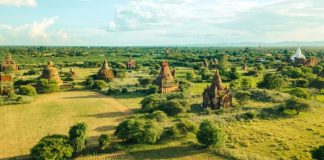
Burma to Brisbane: Esther Moo’s story
Let me paint you a picture of Esther Moo’s life, one of approximately 1959 Karen refugees who migrated to Australia between 2009 and 2010.

Cut from a different cloth
When I look at the lives of some people, I can't help but wonder if they are cut from a different cloth to most of us. Their courage in the face of challenges, their resilience, their vision and their achievements are so impressive that my imagination wonders what the world would look like if their passion were multiplied.

Myth busters: Christmas
Putting Christmas on the myth-busting agenda is both an uncomfortable and challenging task—gratuitous sacrilege and pure paganism for those who believe that questioning Christmas is a sign of atheistic or conspiratorial leanings; honest, necessary Christian analysis for those interested in eliminating forgeries and freeing themselves from prejudice.

Doing good, better
The impulse to help is a hallmark of humanity—both evolutionists and creationists agree that a selfless act is something that makes us uniquely human. Even more so, as a community of faith, it’s exciting to realise that within every compassionate action exists an insight into the loving character of our Creator God.

Have it your way
“You can have any colour you want, as long as it’s black,” Henry Ford famously said, and the modern mass production revolution began. Today, however, you can customise almost anything. You can blend your foundation to match your exact skin colour. You can design your own shoes; you can personalise your car, your suit and even your M&Ms.

Rewiring the cynical mind
Cynicism might feel smarter and more realistic—but the evidence simply doesn’t back it.

The awakening America needed
In the early decades of the 18th century, America was in the throes of an identity crisis. The new American lifestyle had earned New England the nickname of “the new English Sodom.”
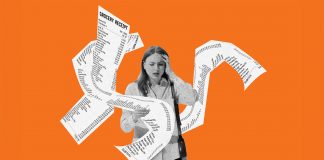
Money and faith: Christian strategies for times of crisis
A financial crisis never comes alone. It brings uncertainty, fear, sleepless nights, and the shame of being unable to meet one's expenses. Can faith bring meaning amid financial chaos?