






COVID-19: Beyond coincidence and bad luck: causes of animal to human virus transmission
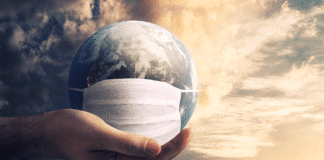
In the midst of the COVID-19 pandemic, there are specialists who are not surprised by this crisis, and believe that in the future we could be facing other pandemics if we fail to fix the mistakes that led to an increase of animal to human pathogen transmission.
Under the shadow of the pandemic: was 2020 really the worst year in history?
Peering through the dust settling from the chaos of last year, we are trying to see into the unknown of the coming year, hoping for the best. Irrespective of what our hopes for 2020 were, our expectations for 2021 seem to centre on things going back to normal.

Evidence-based medicine: How to set a foundation for trusting the doctors
How can I be sure that the recommendations I receive after a medical consultation are correct? In the article below, we discuss evidence-based medicine.

Love in the Time of COVID-19
As we know all too well, life can be hard. Even in the best of times, life can be hard. But now this, a pandemic? How are we to cope?
Dealing with negative emotions in times of crisis
Many years have passed since I last lived with my brother. Recently, I decided to go and stay with him for a while. One day we both decided to visit a place in nature that neither of us had been to before. When we got there, it started to rain—while not very heavy, rain was not what either of us had wanted. But...

The happiest people in the pandemic
“How can we rejoice if we’re at war?” This was one of the questions that arose in my mind after reading a book comprised of testimonies of people who experienced World War II as children. Decades after this nightmare, and stricken by a crisis that casts its shadow over people and nations everywhere, the question remains: can we still be happy in times...
COVID-19 and religious freedom
Because the pandemic and the various restrictions that come with it have been prolonged, some Christians have begun to feel that some of these restrictions violate their religious freedom, or freedom in general, which could turn into a restriction of the exercise of the religious act at some point. Are the health policies that are meant to stop the spread of COVID-19 in...

COVID-19 and our low-risk but endangered children
All COVID-19 statistics lead to the same conclusion: the young ones, our children, are at the lowest risk of getting ill or dying from the virus. That’s comforting. But the pandemic does pose a certain danger to them.
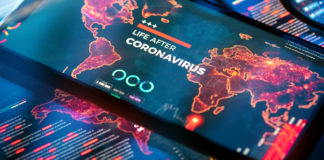
Life after COVID-19: What will the new normal be?
Many certainties and convictions will be swept away. Many things that we thought were impossible are happening. The day after we have won, it will not be a return to the day before; we will be stronger morally.

The great COVID-19 supermarket stampede
Last year, most of us were blindsided when we entered our local supermarket, trudged down the toilet paper aisle and were confronted with extended shelves of emptiness. Somewhat disappointed and definitely a little bit anxious (especially if we were running low on the soft, white goodness), we began to wonder how long it would be before we sighted toilet paper again.
COVID-19: Lessons on happiness from an invisible teacher
When life takes a bad turn, we are often tempted to console ourselves with nostalgia. We begin to look at the past in a different light. We realise that we had been too demanding of ourselves, of others, of the world. That even though we had everything we needed we still wanted more. That we were always looking for something else, without paying...
The fragility of the good news about COVID-19 mortality
The mortality rate of COVID-19 remains high, but not as high as its transmission rate, and this good news needs nuances and explanations.

COVID-19: What we have (not) missed during the lockdown
Life in lockdown had an atypical rhythm and texture. While for some this upset their daily lives, for others it was an unexpected response to an unspoken need.

COVID-19: How can we transform the crisis?
Tens of thousands of articles about the new coronavirus crisis are filling news outlets around the world these days. What is the crisis, how we go through it, what to do, how to do, when to do it etc. Only one thing seems certain these days: our uncertainty about the future. We would prefer an authority to go out in public and tell...
The fight against cancer is a silent fight in the pandemic
The costs of the COVID-19 pandemic are easy to quantify, but not easy to pay. In fact, in some situations, this is even impossible. Cancer patients are showing it undeniably. According to a study published on May 10th, 2021 by the European Cancer Organization (ECO), throughout Europe, health systems have been overloaded, due to a large number of COVID patients. Consequently, dysfunctions in...