









The risks of mRNA vaccines in the COVID-19 era: How we know they don’t alter our DNA
Risks of mRNA vaccines in the COVID-19 era: How we know they don't alter our DNA.

COVID-19: What people on the front line think and feel
While most of us have been staying inside for several weeks, many leave the safety of their homes every day to help us live our lives as normally as possible.

COVID-19: Life in the shadow of death
I am not an expert on the phenomenon of death. But like all of us, I have to live in its shadow, and watch the restlessness and greed it causes. The same gloomy reports that circle the planet also reach me. I feel especially conscious of this as COVID-19 claims its first victims in my country.

COVID-19: How to stay efficient at work when your kids are near
How can one be efficient with your tasks when you no longer have an office of your own? How can one divide themselves between children, household chores and deadlines? How can one excel in their job without losing their mind or at least their patience? These are questions I had to face during the pandemic, even if working from home, around children, is...

A rapid test concerning COVID-19 and religious freedom
At the heart of Religious Liberty is the issue of worship. Religious Liberty is the freedom to worship according to one’s own conscience.
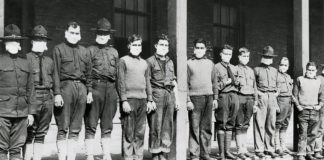
Spanish flu to COVID-19: Lessons from a forgotten pandemic
The Spanish flu filled graves in almost every cemetery in the world. However, surprisingly, this tragedy had largely been forgotten until recently. A century later, the issue returned to the centre of attention, with specialists wondering if they can identify a pattern in the evolution of the COVID-19 health crisis based on the pandemic from a century ago.
How do I know if I’m infected with the new coronavirus or I have a cold / flu?
More and more people who are experiencing the typical symptoms of a cold and flu are asking the question in the title. This article provides essential information that can help us recognize the danger of infection with the new coronavirus.

Coronavirus health information: The great dilemma of quality sources
What are the most reliable sources of information on the coronavirus, and what are the arguments that advocate for their reliability?
Immunization against COVID-19: How often should the vaccine be repeated?
How long does the protection provided by the vaccine last? Should I have a booster shot after a while, or not?

COVID-19: The new mirror in which we look at our parents
How can we encourage the elderly during this time? How can we help them understand that we don't want to lose them and that, although it's hard for them, we didn't abandon them. I have an elderly mother and, honestly, it would help me a lot. Can you write for me?

How you can get your sense of smell back after a cold
A recent study showed how we can fully restore our olfactory sense after a cold, during which nasal constriction prevents us from smelling even the most intense smells.

Can I still have children if I am vaccinated against COVID-19?
One of the reasons quoted most often by those who refuse to get vaccinated against COVID-19 is the hypothesis that vaccines cause infertility.

COVID-19: Beyond coincidence and bad luck: causes of animal to human virus transmission
In the midst of the COVID-19 pandemic, there are specialists who are not surprised by this crisis, and believe that in the future we could be facing other pandemics if we fail to fix the mistakes that led to an increase of animal to human pathogen transmission.

Protect yourself from the infodemic. Which doctors give us reliable information about COVID-19?
In addition to the COVID-19 pandemic, caused by the coronavirus, an "infodemia" is spreading, as described by the World Health Organization (WHO). The overabundance of information, some false or incomplete, about the virus, about its origin and effects, as well as the measures taken by the authorities to combat the pandemic reduce people’s chances of finding reliable information about COVID-19 and the advice...
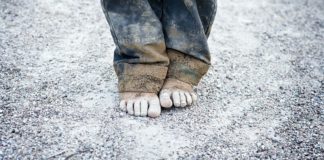
”The coronavirus has been anything but a great equalizer.” The impact of COVID-19 on the world’s poor
A famine of biblical scale is already looming on the horizon, says David Beasley, director of the World Food Program. More than 30 developing countries could be affected by the scourge – 1 million people are already affected. It's not just people going to bed hungry, Beasley insists, explaining that it's a state of emergency where outside help is the only hope.