










Grieving in the Time of COVID-19
11pm and I am worried my patient will not make it till tomorrow morning, says Dr Glenn Wakam. Twelve hours after intubation, the COVID-19 patient's condition deteriorates dramatically, and Wakam knows that an even more difficult intervention follows: to explain to the patient's wife, who begs to be allowed to say goodbye, that the hospital does not allow her this sad privilege.

COVID-19: Which end is The End?
As the crisis caused by the new coronavirus deepened and spread, it was to be expected that the phenomenon would be framed in apocalyptic terms. It is something that tends to occur in such contexts.
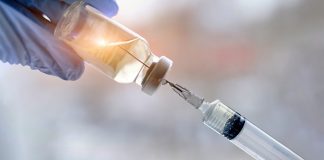
COVID-19 vaccine: risks, benefits, recommendations and precautions
Vaccination allows the creation of an effective and long-lasting defense of the body against the disease. In the confrontation with the COVID-19 pandemic, vaccination, with its pros and cons, is currently one of the solutions that science has offered to humanity.

COVID-19: What is my risk of developing a serious form of the disease?
Tueday, 31 March 2020, marked exactly three months since the World Health Organization, the Chinese office, was notified of incidences of pneumonia from an unknown cause. According to specialists from the Robert Koch Institute in Germany, we have not yet reached the peak of the pandemic in Europe. We hear about mild and asymptomatic cases, but also about many deaths globally.
COVID-19: Those who “would have died anyway”. How much is a human life worth?
Discussions about the reasonable number of deaths in a pandemic, about whether or not the price for saving people is killing the economy and, ultimately, debates on a life’s value were brought to the fore by the COVID-19 pandemic.

A rapid test concerning COVID-19 and religious freedom
At the heart of Religious Liberty is the issue of worship. Religious Liberty is the freedom to worship according to one’s own conscience.

COVID-19: A sad opportunity for the homeless
The prevailing message in the context of the pandemic was clear, but also disturbing: "Don't go out! Stay home! Work from home!" But what about those who do not have a home?

COVID-19: The new mirror in which we look at our parents
How can we encourage the elderly during this time? How can we help them understand that we don't want to lose them and that, although it's hard for them, we didn't abandon them. I have an elderly mother and, honestly, it would help me a lot. Can you write for me?

Coronavirus health information: The great dilemma of quality sources
What are the most reliable sources of information on the coronavirus, and what are the arguments that advocate for their reliability?