










Hope in the storm
This coronavirus crisis has, for me, some perplexing parallels with a well-known incident narrated in the Gospel of Matthew (14:22-33). The disciples are confined in a little boat in the middle of a terrible storm, almost as we are confined at home today by the emergency laws of our countries.
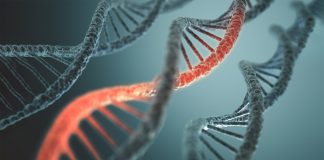
The risks of mRNA vaccines in the COVID-19 era: How we know they don’t alter our DNA
Risks of mRNA vaccines in the COVID-19 era: How we know they don't alter our DNA.

COVID-19: How do you recognise a conspiracy theory in a pandemic?
The Colorado beetle that threatened the potato crop of the former GDR in 1950 might have been an American method of sabotage against the Eastern bloc. A sinister German plot might have been the cause of the Spanish flu. Perhaps AIDS emerged as a biological weapon developed by the United States and has been tested on prisoners and minorities. Every crisis humanity has...
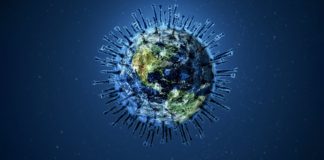
COVID-19 and the great question: Why?
The danger of the novel coronavirus has given us pause to reflect. As Christian believers, apart from praying, we are expected to examine and question our beliefs in this time, and to seek answers which are rooted in the perspective of the Holy Scriptures.

Family crisis does not wear a mask during a pandemic
Many families who feared that the new coronavirus would affect their health ended up dreading its effect on something seemingly even more difficult to protect: the well-being of their relationship.

What Does the Bible Say About Contagious Diseases (like COVID-19)?
Since the outbreak of the corona virus pandemic, many people are asking faith-based questions. Is this a judgment of God on the human race? Is this a sign of the End? Does Bible prophecy speak about it? Even if people don’t believe in God or the Bible, they are wondering what their Christian neighbors are thinking about the matter.
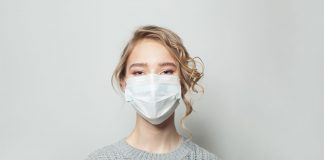
The first line of defence: Proven efficacy of wearing a mask in preventing SARS-CoV-2 infection
How important is wearing a mask for preventing SARS-CoV-2 infection? We must say, at the outset, that wearing a mask remains important in preventing SARS-CoV-2 infection, especially because the "delta plus" variant has a high potential for contagion.

COVID-19: Forgiveness in isolation
When we are isolated with our family, problems that are sometimes easy to ignore become more acute, and the need to receive and offer forgiveness to those around us becomes increasingly evident.

COVID-19: What if we received bad news in a void?
What if there was no good news to give us confidence that we could get through the troubles facing us now? What if there was no good news to assure us that we are cherished, loved and supported, that we are not alone?
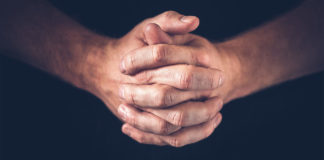
COVID-19: Crisis prayer
A major crisis pushes us to re-evaluate the way we see and do things in the fields of health, finance, and social interaction. But how does this crisis affect our religious practices—especially the most common of these, prayer?
COVID-19 and religious freedom
Because the pandemic and the various restrictions that come with it have been prolonged, some Christians have begun to feel that some of these restrictions violate their religious freedom, or freedom in general, which could turn into a restriction of the exercise of the religious act at some point. Are the health policies that are meant to stop the spread of COVID-19 in...
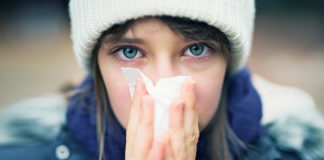
How do I know if I’m infected with the new coronavirus or I have a cold / flu?
More and more people who are experiencing the typical symptoms of a cold and flu are asking the question in the title. This article provides essential information that can help us recognize the danger of infection with the new coronavirus.
COVID-19: Fake news, now and ever
Elisa Granato, one of the first people to be tested for a Covid-19 vaccine, died. The news rolled in the virtual media 6 times faster than other news.[1] Keep this number in mind. This is important because, as we learn from a study published in Science, fake news spreads on average 6 times faster than genuine news. And not only faster, but also...

COVID-19: Why the Bible’s perspective on social distancing might be a solution
The great challenge facing the world’s leaders right now is identifying an optimal response to a disease bearing several characteristics that make it difficult to combat.
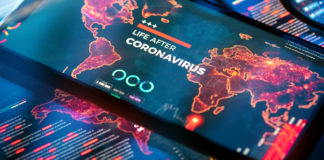
Life after COVID-19: What will the new normal be?
Many certainties and convictions will be swept away. Many things that we thought were impossible are happening. The day after we have won, it will not be a return to the day before; we will be stronger morally.