








COVID-19 vaccines efficacy: Is it realistic to expect 100% effectiveness?
Medical science has made extraordinary progress over the last few decades, with achievements that have led to an increase in general life expectancy and quality of life. Today, afflictions such as cancer, severe heart failure, polio, or tuberculosis have modern and effective treatments.
How the antibiotic apocalypse can be avoided
“By 2050, AMR could potentially kill one person every three seconds and become a more common cause of death than cancer.”
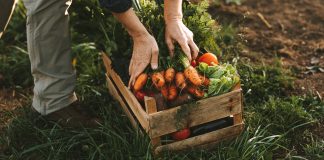
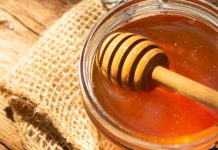
Everything natural is good. True or false?
There seems to be an obsession with the word "natural." We look for it everywhere and, if necessary, are willing to pay more for products deemed natural. If this were not the case, there would probably not be so much emphasis on advertisements and product labels that show the products' natural qualities.
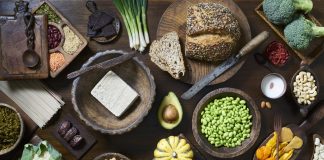
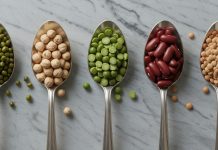
What should we eat? | A comparison between three types of diets
In Romania, they say that everyone is an expert in football and politics. But I believe it is more appropriate to say that everyone is an expert in food—or so they think. Except for a small minority, most of us have quite strong opinions about what we eat.
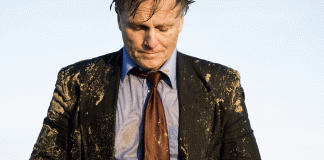
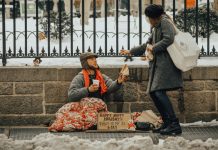
Depression also affects Christians
The stigma surrounding mental health issues causes many Christians to hide their conditions, resulting in an epidemic of depression, even among pastors, says Sheila Walsh, a Bible professor and internationally renowned speaker.

Can I still have children if I am vaccinated against COVID-19?
One of the reasons quoted most often by those who refuse to get vaccinated against COVID-19 is the hypothesis that vaccines cause infertility.
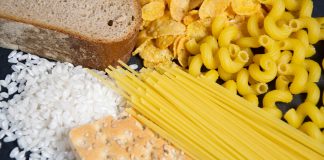
Low-carbohydrate diets may shorten lifespan
A diet based on significantly reducing the amount of carbohydrates on your plate can reduce life expectancy by up to 4 years, according to a study published in The Lancet Public Health.

Why you should make your bed in the morning | Daily routine and its benefits
A daily routine can be an ace in the hole in the time crunch that modern people complain about. But our efforts to organise our time are rewarded with a host of benefits, including those related to our mental health.

Websites with reliable information about COVID-19: How to choose our medical sources of information
Obtaining information in the medical field does not only pose theoretical or scientific problems—it also has very high stakes. Taking data and suggestions from providers who disseminate incorrect or incomplete information can lead to sickness or even death, because these sources provide ineffective or harmful treatment recommendations. What follows is a list of websites with reliable information about COVID-19 we recommend consult regularly.

A rapid test concerning COVID-19 and religious freedom
At the heart of Religious Liberty is the issue of worship. Religious Liberty is the freedom to worship according to one’s own conscience.
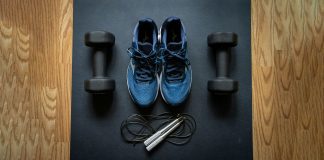
Is weight regain after weight loss inevitable?
For anyone who has ever dieted to lose weight, weight regain is the most feared nightmare. Unfortunately, the very biology of those who lose weight predisposes them to weight regain, meaning that, despite their initial success, they are likely to regain the weight they lost. Fortunately, there are strategies that can help people fight against this tendency.
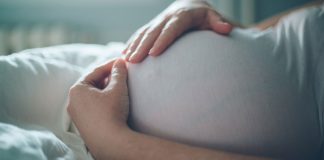
COVID-19 vaccines and pregnancy: What do we need to know?
When analysing the potential impact of COVID-19 vaccines in pregnancy, first of all, we must observe that several studies have shown that, in pregnant women, SARS-CoV-2 infection can have significant negative consequences.
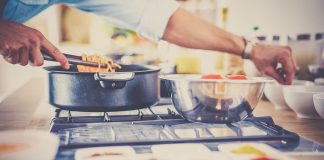
11 million people die each year from these nutrition mistakes
From Europe to Asia and from Africa to the Americas and Australia, none of the culinary traditions, not even those acclaimed by scientists, generate an optimal supply of nutrients. Moreover, the food we eat daily kills 11 million of us prematurely every year. So then, what should we eat?

Remember to rest
Sunday afternoons were a sacrosanct time when I was growing up in Argentina. Everything seemed to quiet and slow down between 2:00 and 5:00 pm, during siesta. Even shops would shut. All you could hear was the sound of the cicadas as the whole neighbourhood took a nap. Young and old, rich and poor were unified by this wonderful tradition. At least, I...

Coronavirus health information: The great dilemma of quality sources
What are the most reliable sources of information on the coronavirus, and what are the arguments that advocate for their reliability?