











COVID-19: A hundred remedies for solitude
I open the window and breathe in the air, trying to guess the weather. Floating around, mixed, are scents and miasms alike; it's hard to decipher these intricate clues.

The eternal illusion of the fundamental secret
One of the mind’s most pleasant and, at the same time, most tormenting occupations is to dream of a better life. How many times have we tried to generate a change for the better by means of a new purchase, new friends, new house, new job, new relationship or other ideas for a fresh start?
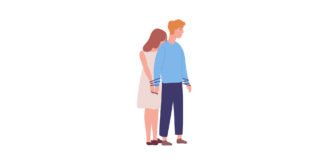
Codependency: a concept too widely used to have a single definition
A word is dead when it is said, some say. I say it just begins to live that day. – Emily Dickinson

Leaving Neverland: How not to be an idol’s prey
The documentary Leaving Neverland (HBO) tells the story of two of the men who accused superstar Michael Jackson of ongoing sexual abuse.

What exactly lies within us?
“What is mankind that you make so much of them, that you give them so much attention, that you examine them every morning and test them every moment?” (Job 7:17-18)

The queen of small, guilty pleasures
"Did you hear what he did?" "Guess what we found out about our new colleague!" In spite of their apparent enthusiasm, gossips—people who laugh loudly and try to capture the attention of others through the tantalising information they have to share—are often not as happy as they seem.

No one Googles censorship
Over the last decade and a half, various legal disputes have brought to the attention of the public the issue of the social responsibility of Big Tech companies to control the flow of information on their channels. But in mid-January 2021, people of all ideological colours had indisputable proof that the decisions of technology giants have ramifications that go far beyond the commercial...

The generation gap, a power struggle?
At some point, we've all come across the phrase "back in my day," a deeply subjective expression which encapsulates a universal phenomenon: the generation gap.

COVID-19: How does anxiety affect us?
A global crisis situation, such as that generated by the current pandemic, is a complex picture with many variables bringing high levels of emotional distress. During a pandemic, many people will face a wide range of reactions and emotions, and the psychological impact will often be greater than the medical one.

From fairy tale to reality | A journey toward the happiness that matters
Before I even learned to read, I had already fallen in love with timeless stories. I would have loved to hear them every day. During the summer holidays, I would insist that my older sister—the one lucky enough to have already unlocked the secrets of the alphabet—read me one more story, and then another.
I’m the only one who can solve my problems: True or false?
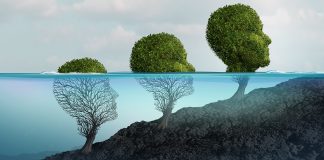
The problems that arise in our lives are nothing more than cognitive obstacles that we don't immediately have the skills to overcome. The most important question when we get stuck is: do I ask for help or do I solve my problems myself?

Only childhood makes us whole
While browsing through a folder of old documents, I rediscovered some poems written during my student years. One of them drew my attention because of a verse that resonated with me from the beginning: Only childhood makes us whole.
How our friendships change throughout life
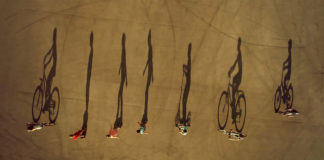
Because life in developed societies follows a more or less regular pattern, sociologists have managed to identify the age at which conditions are most conducive to forming a friendship. It's not that people who are not of this age are unable to form meaningful connections with other people, but at other ages, life takes us on different paths, without asking for our permission.

The price is right: “For who makes you different from anyone else?” (part 1)
These days, we are free to believe anything and to be anything, at least in theory. However, if we gave history a closer look, we would realise that it is not beneficial for us to believe or be just anything. We agree with the biblical exhortation, often distorted by popular lore: "...test them all; hold on to what is good" (1 Thessalonians 5:21).

At the crossroad of our thoughts
Our daily habits and actions constitute our state of mind. However, few people know that we hold great power over our own thoughts. Developing this power could pave the way for happiness.