










My mechanism of resilience
When I was four years old, my younger brother was born. My parents focused on my brother and spent less time with me. It was only 40 years later that I discovered how this had affected me.

Any mountain can be climbed
There is nothing we can do. Thousands of dreams ended with this short sentence. In the face of too great an obstacle or tragedy, giving up seems the only option left. But there are some people who love what they do so much that nothing stops them from adding an unless. This word breeds the courage and creativity in finding solutions, and then...

COVID-19: Helping children (and others) with viral anxiety
Even in difficult times there are many things we can do at home to help children as well as teenagers to feel less worried.

The mirror is part of us | Friendship and our self-image
A friend carries within him our identity’s safe box.
A sad soul is one whose lights have been turned off
Depression, sadness, melancholy, sorrow and despair are universal human states of mind that have given rise to distinct cultures, with nuances specific to different eras and places. These cultures have manifested themselves in everything from poems and songs to philosophical concepts. However, while we acknowledge the creativity that can arise from suffering, like a pearl formed from an oyster's irritation, our focus is...

The happiest people in the pandemic
“How can we rejoice if we’re at war?” This was one of the questions that arose in my mind after reading a book comprised of testimonies of people who experienced World War II as children. Decades after this nightmare, and stricken by a crisis that casts its shadow over people and nations everywhere, the question remains: can we still be happy in times...

How to navigate through pain
Loss begets pain, but pain is not one-size-fits-all, so there are no recovery methods that work in all situations. We do have at hand, however, explanatory models of pain, studies that dismantle myths about grief and, above all, "a psychological immune system" that helps us recover from painful experiences.

Mindfulness: Little Red Riding Hood does not live in the present moment
"It was dark inside the wolf." Like a chef who reinterprets a traditional dish for an expensive urban restaurant, writer Margaret Atwood proposed to the students of her masterclass a reinterpretation of the story "Little Red Riding Hood", in line with the most current tastes and attention skills: a Little Red Riding Hood that lives in the present moment.

3 features of self-loathing people that can transform them
In sync with our modern culture, many people obsess about self-esteem, not really knowing what it means. Giving up self-loathing seems to them an impossible task. And indeed, how does one reach self-respect? Instead of a straightforward answer, here are some insightful questions to prove that you are worthy and that you can trust yourself.

One habit healthier. What we need to know about change
Let him that would move the world first move himself. – Socrates

The angry Christian: How can we free ourselves from destructive anger?
A man is about as big as the things that make him angry – Winston Churchill
Resilience to shame
Where there's fear, there's shame, says a Romanian proverb. What the proverb doesn't say (and what many of us don't know) is that the folds of shame hide a multitude of emotional problems and dysfunctional relationships that are passed down from one generation to the next.
The exclusive prayer: Who should we address when we pray?
The stakes are high when it comes to identifying the one to whom we should pray, and we can discover who by answering an apparently simple question: Can we expect prayers to be heard no matter who we address them to?
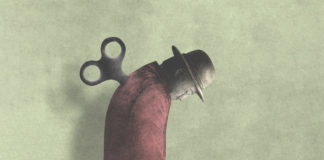
Forgiveness heals the one who forgives
Everyone thinks forgiveness is a lovely idea until he has something to forgive. – C.S. Lewis

Remember to rest
Sunday afternoons were a sacrosanct time when I was growing up in Argentina. Everything seemed to quiet and slow down between 2:00 and 5:00 pm, during siesta. Even shops would shut. All you could hear was the sound of the cicadas as the whole neighbourhood took a nap. Young and old, rich and poor were unified by this wonderful tradition. At least, I...