






The sacred library in a secular age
In centuries long buried in the mists of time, the Bible was a book for which people were willing to die—whether burned at the stake or thrown into prison. There was a time when Bibles were chained to monastery walls. Today, they are printed and distributed by the millions. Yet it seems fewer people are actually reading them.
Assertive behaviour: a remedy for poor communication
I believe that every Eastern European has, at some point, realised when meeting a Westerner that their interaction could be improved if they were more open themselves, as the foreigner usually is.
Good luck, bad luck…and cancer
Many had not yet finished clearing away the leftovers from the New Year's Eve table, almost no one had returned to work, politics was still numb and journalists yawned with boredom because almost nothing of interest had happened on 2 January 2015.

Antibiotics: Blind optimism is dangerous
The increased frequency with which doctors are encountering antibiotic-resistant bacteria is worrying. And it could affect an already precarious medical field—cancer treatment.
Facing the person in the mirror
The great attraction of the virtual world comes from the fact that it gives its users the possibility of escape. Inside that world, they feel they can hide their identity and satisfy their every fantasy without suffering any consequences. Being able to hide one's identity offers a sense of freedom, which isn't a bad thing to want, after all. But is freedom of...
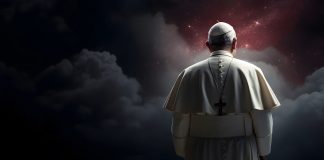
What happens if the pope dies?
Images of Pope Francis have recently been released by the Vatican for the first time after he was admitted to hospital in a critical condition for pneumonia following a complex lung infection. Given his advanced age and frailty, many have wondered whether the pope is close to death.
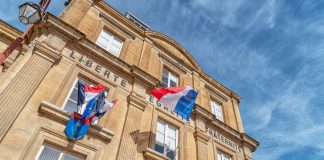
The dechristianisation of France | A history of failure
Thousands of street names changed because they referred to Christian saints, Catholic priests forced to marry, Jesus Christ described as a revolutionary—these are some of the stupefying details of the French Revolution.

The migration of trust in the digital age
Trust is the main currency of the age in which we live, and people seem to be changing the directions they invest in faster than in the past. How is our life of faith influenced by how we relate generally to trust?
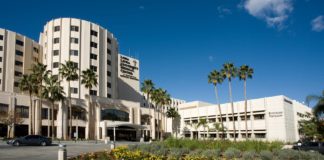
Food and health with Dr Michael Orlich of the Loma Linda University Medical Center
When the founders of the Loma Linda University Medical Center in California laid the foundation, their purpose was somewhat paradoxical. Christians to the bone, and Adventists on top of that, they echoed the words attributed to the great reformer Martin Luther: “Even if I knew that tomorrow the world would go to pieces, I would still plant my apple tree.”
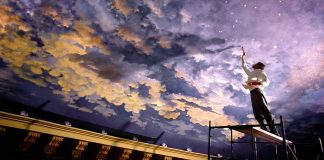
A fulfilled life in the presence of God: the picture
A fulfilled life is built on the foundation of faith and the desire to imitate the character of God, in a world conceptualised around the truth.
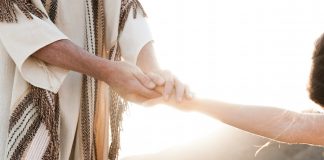
God’s sacrifice and our own
For those who accept the biblical account of Jesus's life as true, the most important thing is deciding how to respond to the Savior’s act of offering His life. What does it mean to accept Jesus's sacrifice? How does it apply to us? How does it become part of our lives?

Tomorrow is today
What I need now is stability. And that can only come through sacrifice. That's what I've heard and that's what I’m doing. My family? It can wait—dear ones, too. The little joys of life? Who has time for that? I'm still waiting.

Does shopping addiction really exist?
Maria is 21 years old. She is in her third year at the Academy of Economic Studies and has been working and paying rent for a year. Ever since she reached economic independence, she started going out in the city and being very concerned about the way she looks.