









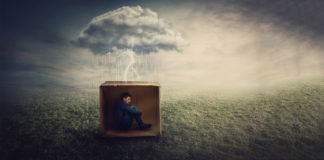
When making friends is not easy | Friendship and shyness
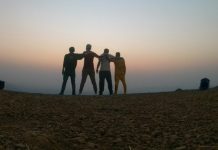
Next to family and health, friends are among the top reasons that make us happy. But what if we are solitary, recluse or shy?

Misleading bridges, and better prayers
Bridges seem to be the emblem of existential stress for Romanians. In the face of a difficult situation, even Romanian folk wisdom recommends: "Make a pact with the devil until you have crossed the bridge."

The God of love and the dilemmas of violence
God's decision to reveal His intentions regarding Sodom and Gomorrah to Abraham is one of the most memorable moments in biblical history.

From fearing loneliness to embracing it as a gift
"Loneliness irritates me like a broken nail," says a line in a Romanian poem. The truth is, loneliness stings, pulls apart, and resembles the coffee dregs left at the bottom of the pot in which joy and love once brewed. Although the fear of loneliness is natural, we can choose to see solitude as something more than a "flowering wilderness" and embrace it...
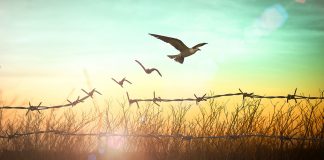
The second reason to forgive: the “Justice” you refuse to let die will not let you live
Following several surveys (1988, 1991, 2009), the Gallup organisation revealed both good news and bad news. The good news is that 94 percent of people believe forgiveness is very important. The bad news is that 85 percent admit they are not ready to do it on their own.
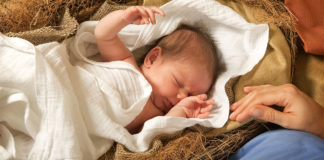
The cry of baby Jesus
It is said that the mental illness Friedrich Nietzsche suffered from for 11 years before he died was triggered by the philosopher witnessing a horse being whipped by its master. The cruel sight of suffering made Nietzsche run to the horse and wrap his arms around its neck to protect it. The great philosopher collapsed to the ground, and never recovered from the...

When God described Himself, He called Himself “the Word”
Whether you're a practising believer, a casual believer or, conversely, an atheist, you cannot help but be taken aback by the fact that one of the earliest images of God we have in Scripture is an unexpected one for those times: the image of God writing (Exodus 31:18).

The Ten: Incredible children in the Bible
With God's help, little guys can do big things too...

“Proofs of God’s Existence”: book review
The book “Proofs of God's Existence” describes Richard Wurmbrand’s experience, who, in the dungeons of communist horrors, turned suffering into a very successful teacher of character and well-balanced words.

Actors in a divine plan
At the appointed time in the plan of salvation, Christ was sent to us: "When the set time had fully come, God sent His Son, born of a woman, born under the law..." (Galatians 4:4).

Every week’s human rights day
Article 24 of the Universal Declaration of Human Rights is a counterpoint to the previous article in the Declaration that recognises the right to work and to do so in fair conditions. After affirming the human right to work, Article 24 reads, “Everyone has the right to rest and leisure, including reasonable limitation of working hours and periodic holidays with pay.” It is a...

Welcome to country, legacy and the next generation
JS: What is NAIDOC Week? Why is it significant?
DG: NAIDOC Week celebrates Indigenous culture—Aboriginal and Torres Strait Islander people, their achievements and their contribution to the nation.
How Jesus used the Hebrew Scriptures
When we read the Gospels, we may be put off by the way Jesus Christ interprets the Hebrew Scriptures.

The origins of the doctrine of incarnation
Jesus of Nazareth feels, thinks, desires, and acts identically with the eternal Logos, but under the conditions, with the possibilities, and within the limitations of the earthly life that He has fully assumed, with all humility and responsibility.

Holidays when you’re not feeling good
The December days that start with the number 2—that is, starting from the 20th—are like a train with batteries on a closed circuit. They pass, with the twinkle of LEDs, like carriages loaded with emotions about the past, about the future and about the present, with nostalgia and regret, with delight, and with fear and worry: a mixture that we enjoy with the...